
High Wind Warning Brings Risk of Downed Trees, Power Outages in L.A. County
High wind events in Los Angeles County are more than weather anomalies—they are recurring hazards that test the region’s infrastructure and energy systems. The combination of Santa Ana winds, complex topography, and urban sprawl amplifies the risk of power outages and property damage. This article explores how wind mill technology, particularly localized “wind mill near me” systems, can play a role in mitigating these risks while strengthening urban resilience.
High Wind Risks in L.A. County
The county’s exposure to high wind events is shaped by natural patterns and human development. Understanding these dynamics is essential for designing adaptive energy solutions that can withstand extreme gusts.
Meteorological Patterns Behind High Wind Events
Santa Ana winds originate from high-pressure systems over the Great Basin, funneling through mountain passes into coastal plains. The compression and heating of air as it descends increase both speed and dryness, leading to gusts exceeding 60 mph in some areas. Seasonal peaks occur in fall and winter when pressure gradients are strongest. Recent studies suggest climate change may intensify these patterns by altering jet stream behavior and regional temperature contrasts, potentially extending the duration of high wind seasons.
Infrastructure Vulnerabilities During High Wind Conditions
Power lines are among the first casualties during severe wind storms. Overhead cables sway or snap under stress, causing widespread blackouts. Communication towers face similar strain from oscillations that fatigue joints and bolts. Transportation systems—particularly elevated railways and freeways—experience debris hazards that disrupt mobility. Older suburban developments with mature trees near utility corridors face compounded risks of falling branches damaging lines or roofs. The economic toll extends across logistics, retail, and public safety sectors as emergency response costs rise sharply after each event.
The Role of Wind Mill Technology in Risk Mitigation
Beyond traditional grid hardening measures, distributed wind generation offers a complementary strategy for resilience. Modern wind mills can operate safely even under turbulent conditions if designed for urban microclimates.
Principles of Modern Wind Mill Design for Urban Resilience
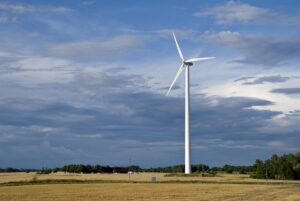
Contemporary turbines use aerodynamic blades with variable pitch angles to reduce drag during gusts. Composite materials such as carbon fiber reinforced polymers provide superior fatigue resistance compared to older steel designs. Adaptive control systems continuously adjust rotor speed using real-time sensor data to balance performance with safety margins. These innovations make small-scale “wind mill near me” units viable even within dense neighborhoods where turbulence is unavoidable.
Integration of Distributed Wind Energy Systems in L.A. County
Localized installations contribute to decentralized power generation, reducing reliance on distant transmission networks vulnerable to storm disruptions. Grid integration strategies include smart inverters that synchronize output with local voltage levels during fluctuating conditions. Microgrids powered by hybrid solar-wind configurations can isolate from the main grid during outages, maintaining electricity for critical services like hospitals or emergency shelters.
Technological Innovations Enhancing Wind Mill Safety and Efficiency
As high wind incidents become more frequent, technology must evolve to predict stress loads and automate protective responses before failures occur.
Smart Monitoring and Predictive Maintenance Systems
IoT-based sensors embedded within blades measure vibration amplitude, torque variations, and thermal gradients in real time. Predictive algorithms analyze these signals to forecast potential faults days before mechanical breakdowns happen. Data analytics platforms visualize turbine health metrics across entire fleets, allowing operators to adjust maintenance schedules dynamically based on actual wear rather than fixed intervals.
Advanced Control Mechanisms for High Wind Environments
Pitch control systems adjust blade angles within milliseconds to minimize aerodynamic loading when gusts spike unexpectedly. Yaw mechanisms orient nacelles directly into prevailing winds to equalize stress distribution across components. Automated shutdown protocols trigger safe braking sequences once thresholds exceed design limits, preventing catastrophic overspeed conditions while preserving structural integrity.
Environmental and Policy Considerations for Local Implementation
Deploying urban wind energy requires careful balancing between technical feasibility, environmental stewardship, and regulatory compliance.
Environmental Impact Assessment of Urban Wind Installations
Noise levels from small turbines typically remain below 50 dB at residential distances but must still comply with municipal ordinances. Visual impacts can be mitigated through compact vertical-axis designs that blend with architectural features. Ecologically, rooftop-mounted units pose minimal threat to birds compared with large rural farms; however, ongoing monitoring remains essential to confirm wildlife safety over time.
Policy Frameworks Supporting Wind Technology Deployment in L.A. County
California’s renewable energy mandates encourage community-scale projects through streamlined permitting pathways and net metering incentives for distributed generators under 1 MW capacity (as outlined by the California Energy Commission). Collaboration between city planners, utilities, and private developers can accelerate adoption while ensuring compliance with seismic standards unique to Southern California construction codes.
Future Prospects of “Wind Mill Near Me” Solutions in Urban Resilience Planning
The convergence of renewable energy deployment and disaster preparedness planning positions local wind generation as a cornerstone of future resilience strategies.
Synergies Between Renewable Energy and Disaster Preparedness Initiatives
During prolonged outages caused by downed transmission lines or wildfires, neighborhood-level turbines integrated into microgrids can sustain refrigeration units for vaccines or communication hubs for emergency coordination centers. When paired with solar-plus-storage systems, they provide continuous power autonomy regardless of weather variability—a crucial advantage as climate volatility increases across Southern California’s metropolitan zones.
FAQ
Q1: What causes Santa Ana winds in Los Angeles County?
A: They result from high-pressure air masses over inland deserts moving toward low-pressure coastal regions through mountain passes, gaining speed as they descend.
Q2: How do high winds affect electricity supply?
A: Strong gusts can topple power poles or cause contact between lines, leading to outages that may last several hours or days depending on repair logistics.
Q3: Can small “wind mill near me” installations operate safely during storms?
A: Yes, modern units feature automatic braking systems and aerodynamic controls that limit rotation speed when winds exceed safe thresholds.
Q4: Are there incentives for installing residential wind turbines in L.A.?
A: State programs provide tax credits and simplified permits for small renewable generators connected under net metering policies.
Q5: How do microgrids improve community resilience?
A: They allow localized power generation to function independently from the main grid during emergencies, maintaining electricity for essential services even when regional infrastructure fails.