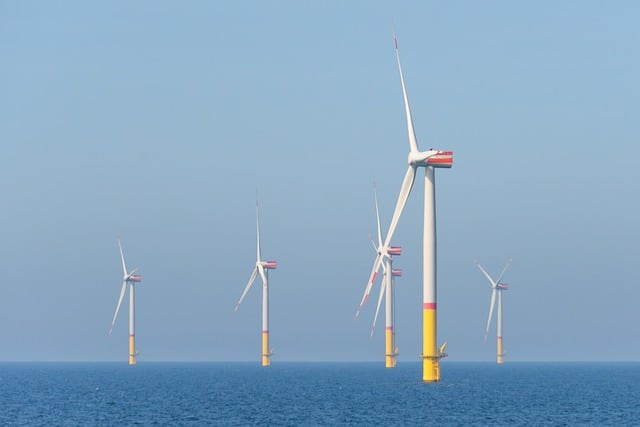

Turbines Arrive for Oman’s Biggest Wind Farms Project
Oman’s largest wind farm project marks a pivotal moment in the nation’s energy transition. The arrival of advanced wind power generators signals a shift toward sustainable electricity generation aligned with Vision 2040. This initiative aims to diversify energy resources, reduce carbon dependency, and strengthen national resilience against volatile oil markets. With turbines now being installed in Dhofar and Duqm, Oman is positioning itself as a regional leader in renewable energy technology and grid modernization.
The Strategic Importance of Wind Power Development in Oman
Oman’s renewable energy strategy reflects both environmental responsibility and economic pragmatism. The government recognizes that expanding wind capacity supports energy security while meeting international sustainability commitments.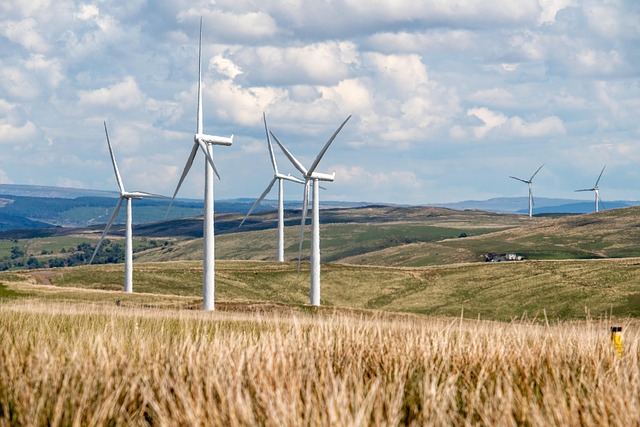
The Role of Renewable Energy in Oman’s National Vision
Under Vision 2040, Oman targets a significant share of its electricity from renewables. Wind projects complement solar expansion by providing nighttime generation and seasonal balance. Diversifying beyond hydrocarbons reduces fiscal vulnerability and attracts global investors seeking stable, green portfolios. Policy frameworks such as competitive bidding, tax incentives, and land allocation programs have accelerated private sector participation in wind power development.
Geographic and Climatic Advantages for Wind Energy Deployment
The southern Dhofar region benefits from consistent monsoon winds averaging over 7 m/s during summer months, ideal for large-scale turbines. Duqm’s coastal plateau also presents strong year-round potential with moderate turbulence levels suitable for efficient rotor operation. Seasonal patterns determine turbine orientation and hub height design to maximize yield across variable conditions. Meteorological datasets from long-term monitoring stations are now integrated into digital planning models to refine site layouts and reduce uncertainty in performance forecasting.
Technological Foundations of Modern Wind Power Generators
The success of Oman’s wind program depends on adopting robust technologies suited to local environmental constraints. Modern turbine engineering emphasizes efficiency, adaptability, and reliability under harsh desert conditions.
Evolution of Wind Turbine Design and Efficiency Improvements
Contemporary blades use advanced aerodynamic profiles that enhance lift-to-drag ratios at low wind speeds. Lightweight composites such as carbon fiber reduce fatigue stress on bearings and gearboxes while maintaining structural integrity during gust events. Intelligent control systems manage pitch and yaw angles dynamically to stabilize torque output under fluctuating loads, ensuring consistent power delivery to the grid.
Generator Technologies Driving Next-Generation Turbines
Two main generator architectures dominate current installations: doubly-fed induction generators (DFIG) and permanent magnet synchronous generators (PMSG). DFIG units offer cost-effective variable-speed operation but require more maintenance due to slip-ring assemblies. PMSG designs eliminate these components, improving reliability and reducing operational downtime—an advantage in remote Omani locations where maintenance logistics are complex. Both configurations rely on advanced converters that regulate voltage harmonics and provide reactive power compensation for grid stability.
Engineering Considerations for Oman’s Largest Wind Farms Project
Designing turbines for desert deployment demands specialized engineering solutions addressing temperature extremes, airborne sand, and salinity exposure along coastal zones.
Site-Specific Design Adaptations for Desert Environments
Turbine housings incorporate sealed nacelles with filtration systems preventing dust ingress into sensitive electronics. Components exposed to high UV radiation receive protective coatings tested under ISO 12944 corrosion standards. Lubrication systems employ synthetic oils formulated for thermal endurance above 50°C, minimizing wear during prolonged heat waves common in Dhofar’s inland areas.
Logistics and Infrastructure Challenges in Large-Scale Deployment
Transporting rotor blades exceeding 70 meters requires customized trailers navigating narrow mountain passes between Salalah Port and the project site. Modular tower sections simplify assembly using hydraulic cranes designed for limited ground bearing capacity on sandy substrates. Grid interconnection employs high-voltage substations linking remote turbines through fiber-monitored transmission lines that feed into the national distribution network managed by the Oman Electricity Transmission Company (OETC). Local manufacturing partnerships are emerging to fabricate tower components domestically, supporting job creation and supply chain resilience.
Digitalization and Smart Monitoring in Wind Power Generation
Digital transformation enhances operational intelligence across Oman’s new wind assets through predictive analytics, real-time monitoring, and secure data communication frameworks.
Predictive Maintenance through Data Analytics and IoT Integration
Each wind power generator is equipped with vibration sensors, thermocouples, and strain gauges transmitting continuous data streams to centralized control centers. Machine learning algorithms analyze deviations from baseline patterns to predict bearing degradation or gearbox anomalies before failure occurs. Remote diagnostics enable maintenance teams to schedule interventions efficiently, reducing downtime by up to 30 percent compared with traditional inspection cycles.
SCADA Systems Enhancing Operational Control and Performance Optimization
Supervisory Control and Data Acquisition (SCADA) systems collect live metrics from every turbine node—rotational speed, power factor, voltage output—and synchronize them with grid demand signals. Adaptive software adjusts operational parameters based on ambient temperature or gust intensity to maintain optimal efficiency without human input. Cybersecurity protocols following IEC 62443 standards protect communication channels between field devices and control servers against intrusion attempts or data tampering incidents.
Grid Integration and Energy Storage Solutions for Oman’s Wind Farms
Integrating intermittent wind resources into Oman’s electricity network requires flexible storage technologies and advanced grid management tools capable of balancing variable supply profiles.
Managing Intermittency through Hybrid Energy Systems
Hybrid configurations combining wind generation with solar PV smooth daily output fluctuations by exploiting complementary production cycles—solar peaks during midday while wind dominates at night. Battery storage arrays absorb excess generation during low demand periods then discharge during evening peaks to stabilize frequency variations within ±0.1 Hz tolerance levels recommended by IEEE standards. Hydrogen electrolysis is being evaluated as a strategic long-term storage option enabling exportable green fuel production.
Enhancing Grid Flexibility through Advanced Power Electronics
Static synchronous compensators (STATCOMs) installed at substation nodes provide dynamic reactive power support maintaining voltage stability across transmission corridors affected by variable loads. High-voltage direct current (HVDC) links facilitate efficient long-distance transmission from remote coastal farms to urban centers like Muscat with minimal losses below 3 percent per 100 km segment. Smart inverter technologies embedded within each turbine contribute autonomous fault ride-through capability enhancing system resilience during transient disturbances.
Economic, Environmental, and Social Impacts of Large Wind Farm Projects in Oman
Beyond technical milestones, the project delivers measurable economic diversification benefits while reinforcing environmental stewardship principles central to Vision 2040.
Economic Diversification through Renewable Infrastructure Investment
Wind farm construction stimulates local employment across civil works, electrical installation, operations training, and maintenance services—creating several hundred skilled positions annually. Foreign direct investment inflows strengthen Oman’s clean energy portfolio credibility among institutional investors prioritizing ESG-compliant assets. Over time levelized cost of electricity (LCOE) from wind is projected to undercut gas-fired alternatives as technology costs decline globally according to IRENA datasets.
Environmental Benefits Supporting Sustainable Development Goals
Replacing fossil-based generation reduces annual CO₂ emissions by tens of thousands of tons while mitigating air pollutants such as NOₓ and SO₂ near populated regions. Careful site selection minimizes ecological disruption by avoiding migratory bird corridors identified through environmental impact assessments conducted under IFC Performance Standards guidelines.
Community Engagement and Capacity Building Initiatives
Public consultations held during early planning phases fostered community trust by addressing concerns about noise or visual impact transparently. Training partnerships between Sultan Qaboos University engineering departments and international turbine manufacturers cultivate domestic expertise in aerodynamics modeling, electrical integration, and asset management analytics—laying groundwork for future innovation within Oman’s renewable sector ecosystem.
FAQ
Q1: What makes Dhofar suitable for large-scale wind farms?
A: Its strong monsoon-driven winds provide consistent speeds ideal for high-capacity turbines throughout the summer season.
Q2: Which generator type is preferred in Omani projects?
A: Permanent magnet synchronous generators are favored due to their higher reliability under harsh desert conditions.
Q3: How does digital monitoring improve turbine performance?
A: Real-time sensor data allows predictive maintenance that minimizes downtime while maximizing energy yield efficiency.
Q4: Are there any local manufacturing contributions?
A: Yes, several tower components are now produced domestically supporting industrial diversification goals under Vision 2040.
Q5: How does this project align with global sustainability trends?
A: It contributes directly to emission reduction targets consistent with international climate agreements promoted by IEA member nations.