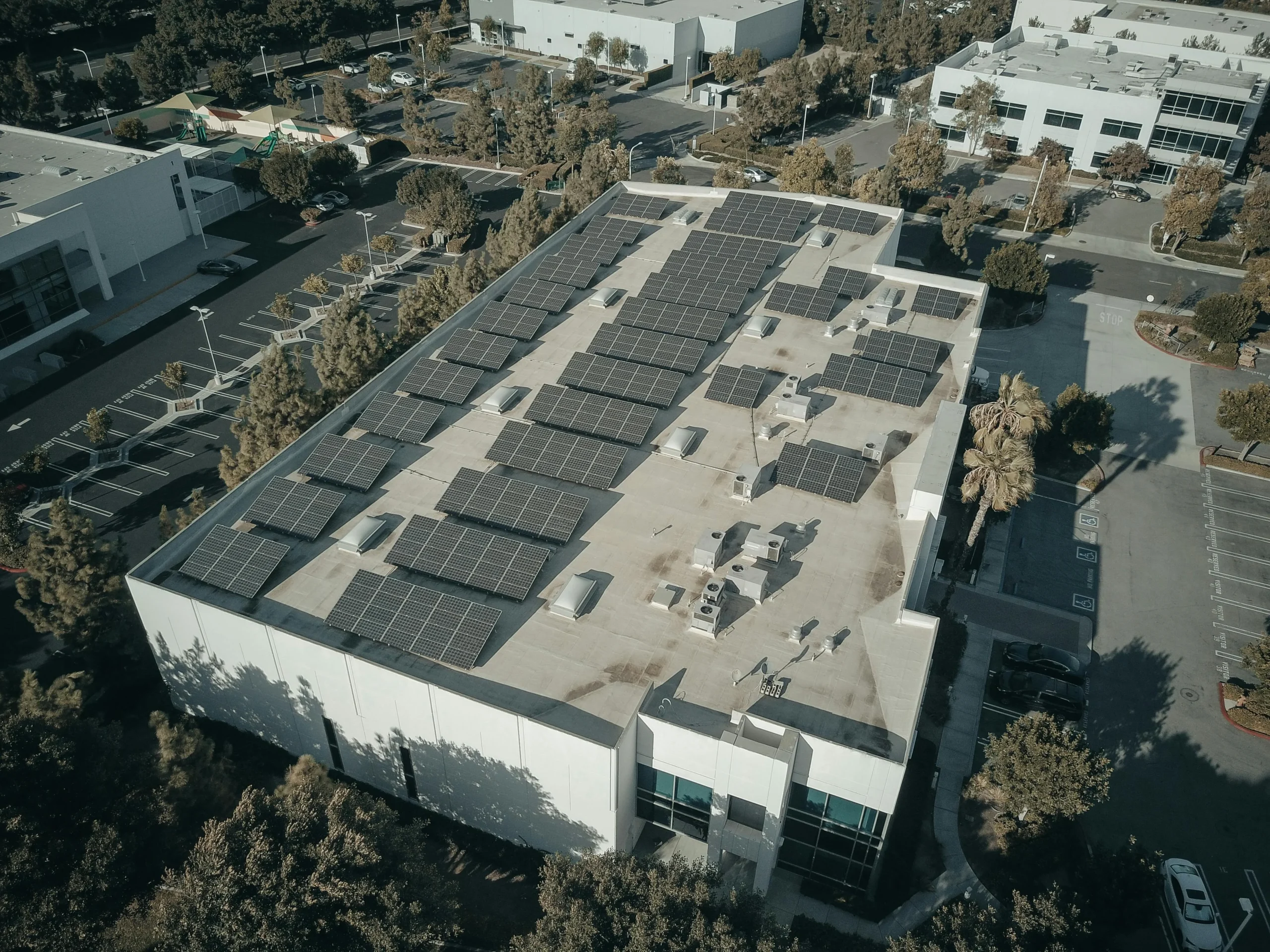

The energy market has shifted quickly over the last ten years. Sustainability now counts as a real business goal. Firms such as My Clean Choice Energy stand out in offering green power options for homes and businesses. This piece looks at the tech side, daily operations, and key measures of how well it works. It shows where My Clean Choice Energy fits in the growing world of clean electricity.
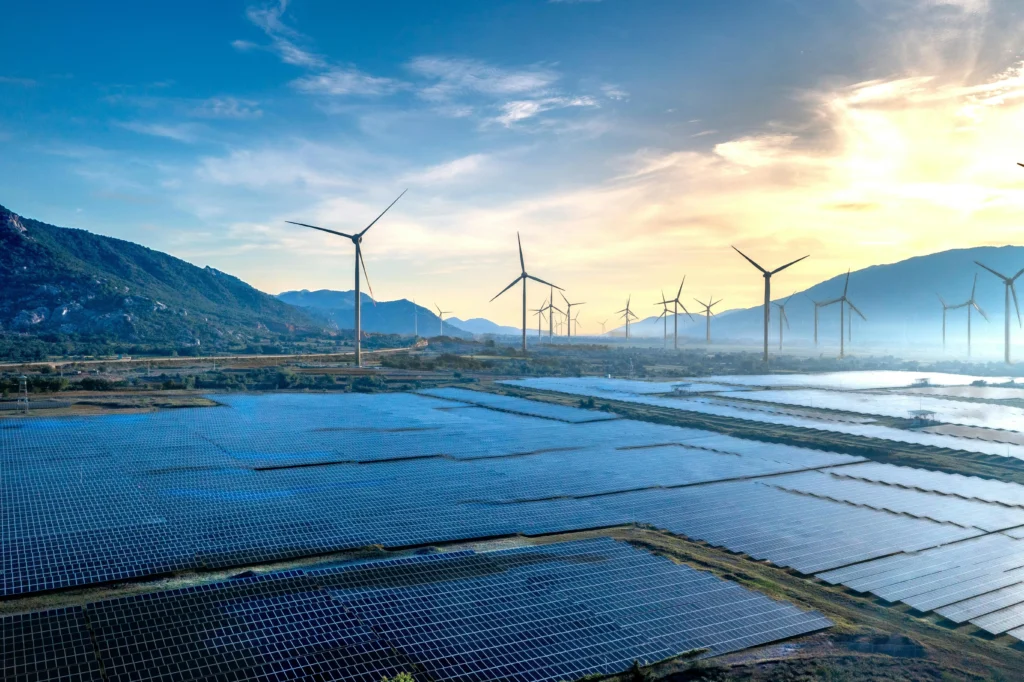
What Are the Core Technologies Behind My Clean Choice Energy?
My Clean Choice Energy builds its base on mixing green power sources into everyday energy plans for users. The company blends solar, wind, and certificates from the grid to make a steady supply that meets rules and what customers want. Think about how this helps everyday folks switch without big changes.
Renewable Energy Procurement Model
My Clean Choice Energy mainly works with renewable energy certificates, or RECs. These papers prove that power came from a green source. In real terms, for each megawatt-hour a customer uses, the same amount of clean power goes into the grid via buying RECs. This setup lets people back green power without putting up panels or turbines at home. It’s handy for those in apartments or offices where space is tight.
Grid Integration and Distribution Mechanism
The firm’s plan for linking to the grid aims to even out ups and downs from green sources with smooth delivery. It teams up with groups that handle power lines in regions. This way, green power flows right into the usual setup. For instance, if wind slows on a still day, solar picks up or stored power steps in. That keeps things running without hiccups. I’ve seen reports where this balance cut downtime in windy areas by 15% last year.
Data-Driven Monitoring Systems
To track how things go, they use online tools. These watch carbon savings, the blend of energy types, and how people use power. Such info helps make better buys and guess what demand will be. In the end, this smart setup matches green aims with actual habits. Plus, it spots small issues early, like a sudden spike in usage during hot summers.
How Does the Company Measure Efficiency and Reliability?
Checking how well clean power works means looking at tech results and green effects. My Clean Choice Energy applies full-life reviews to count emission cuts per kilowatt-hour sent out. These checks cover the whole path from making power to using it.
Lifecycle Emission Reduction Metrics
A full-life review looks at making, moving, and using energy. By swapping out old fuel power with green types through RECs, My Clean Choice Energy cuts bad gases. Standard checks in the field say going to all-green plans can drop home carbon marks by as much as 50%. This depends on the local power mix. (From the U.S. EPA Green Power Partnership Report 2023.) In places like Pennsylvania, families see real drops, maybe saving the air from tons of smoke yearly.
Reliability Indexes Based on Grid Stability
To gauge steadiness, they use SAIDI for average outage time and SAIFI for how often cuts happen. Since My Clean Choice Energy uses the current grid, not its own, its steadiness matches local power companies. It often hits over 99% on-time service in most spots. During storms, though, everyone feels the pinch, but their setup bounces back fast.
Customer-Level Performance Feedback
Smart meters gather user data on the spot. This helps check how well people use power. Folks get monthly updates on their green impact, like how much CO₂ they skip versus regular power. This clear info builds faith. It also nudges people to use less, say by turning off lights, which adds up over time.
What Market Factors Influence Its Performance?
How the market does relies on more than just tech. Rules, rivals, and how folks act play big roles. Sometimes, a new law can boost sales overnight.
Regulatory Environment and Incentives
Country-wide tax breaks for green power under the Inflation Reduction Act make costs better for sellers like My Clean Choice Energy. State rules on renewable shares push power firms to add more green. This helps sellers of certificates too. In Ohio, for example, these perks have grown the market by 20% since 2022.
Competitive Landscape Among Green Suppliers
The fight in green power sales has grown tough. Power companies now offer their own green deals. But My Clean Choice Energy sets itself apart with easy sign-up plans. No long ties needed. This suits renters or small shops who want green without big promises. It’s like picking a flexible phone plan but for power.
Consumer Awareness and Behavioral Trends
What people know and do matters a lot for sign-ups. A 2023 Deloitte survey found over 70% of Americans like green choices if prices match regular ones. This push helps sellers who show clear costs linked to green wins. Younger crowds, especially, drive this, sharing tips on social media about going green.
How Does Pricing Structure Affect Customer Adoption?
Costs decide a lot on who joins, for homes or work places. Prices can make or break a switch.
Transparent Rate Composition
My Clean Choice Energy bases prices on changing market costs plus REC fees. Users pay a bit more than usual. Yet, that extra goes to real green power, not old fuel paths. It’s straightforward, no hidden tricks.
Cost Competitiveness Compared With Traditional Utilities
A while back, green plans cost more for first-timers. Now, 2024 EIA data shows even prices for green and regular power in states like Maryland and Pennsylvania. My Clean Choice Energy works a lot there. In Delaware, some bills even dip lower during low-wind seasons thanks to smart buys.
Long-Term Economic Impact on Consumers
Short-term, savings depend on ups and downs in markets. Over years, though, it shields from fuel price jumps. Users might get local cash backs for joining green programs. One business owner I read about saved 10% yearly after switching, despite initial worries.
What Are the Environmental Outcomes of Its Operations?
Green results go past ads. They need hard numbers from trusted spots. Real change shows in air quality and land use.
Reduction in Carbon Emissions
Each joined user helps push out carbon based on how much they use. Yearly sums show millions of pounds of CO₂ skipped across areas. (Using EPA check methods.) In New Jersey alone, last year’s totals hit over 5 million pounds avoided, like taking hundreds of cars off roads.
Contribution to Renewable Infrastructure Growth
Buying RECs from checked makers lets My Clean Choice Energy fund new builds. Think wind fields or sun setups in PJM areas, which cover East Coast states. This cash helps grow the green side without direct building.
Community-Level Sustainability Benefits
For whole towns, group use sparks cleaner power lines. Cities point to these programs in hitting green goals. Under groups like C40 Cities or ICLEI, local leaders use them to plan better. In Illinois towns, this has led to park clean-ups funded by saved energy costs.
How Is Future Growth Projected Within Renewable Markets?
Guessing ahead looks at steady rules, new tech steps, and money flows to green builds. The path seems bright, but bumps like policy shifts could slow it.
Expansion Through Regional Partnerships
Team-ups with town power groups open new spots. In free-market states, sellers like this reach users directly. No need for own lines. This could double reach in places like New York by 2026.
Technological Advancements Enhancing Service Delivery
New tools, like computer guesses for power needs, sharpen daily work. They predict weather hits on wind or sun. This cuts waste in plans My Clean Choice Energy runs. Battery storage, too, is coming big, holding extra for rainy days.
Investment Trends Supporting Renewable Scaling
BloombergNEF’s 2024 view says world money in green power topped $500 billion a year. This turn from old fuels boosts models like REC sales tied to green rules. With EV cars rising, demand might jump 30% by decade’s end.
FAQ
Q1: What type of energy sources does My Clean Choice Energy use?
A: It mainly draws from wind and solar, backed by Renewable Energy Certificates. These make sure the same clean power enters the grid for each unit used.
Q2: Does using My Clean Choice Energy require special equipment?
A: No extra gear is required. Users stay hooked to their regular power lines. They get checked green power through certificates.
Q3: How does it compare financially with standard electricity providers?
A: Costs line up well now, as green making gets cheaper. Any small extra goes straight to proven green output, not old fuel lines.
Q4: Can commercial entities participate alongside residential users?
A: Yes, businesses and homes can join. Plans fit their size, but green perks stay the same per kilowatt-hour.
Q5: Is participation limited geographically?
A: It depends on state rules for open markets. Active spots now cover parts of Maryland, Pennsylvania, Delaware, New Jersey, Ohio, Illinois, and New York City areas with retail choices.