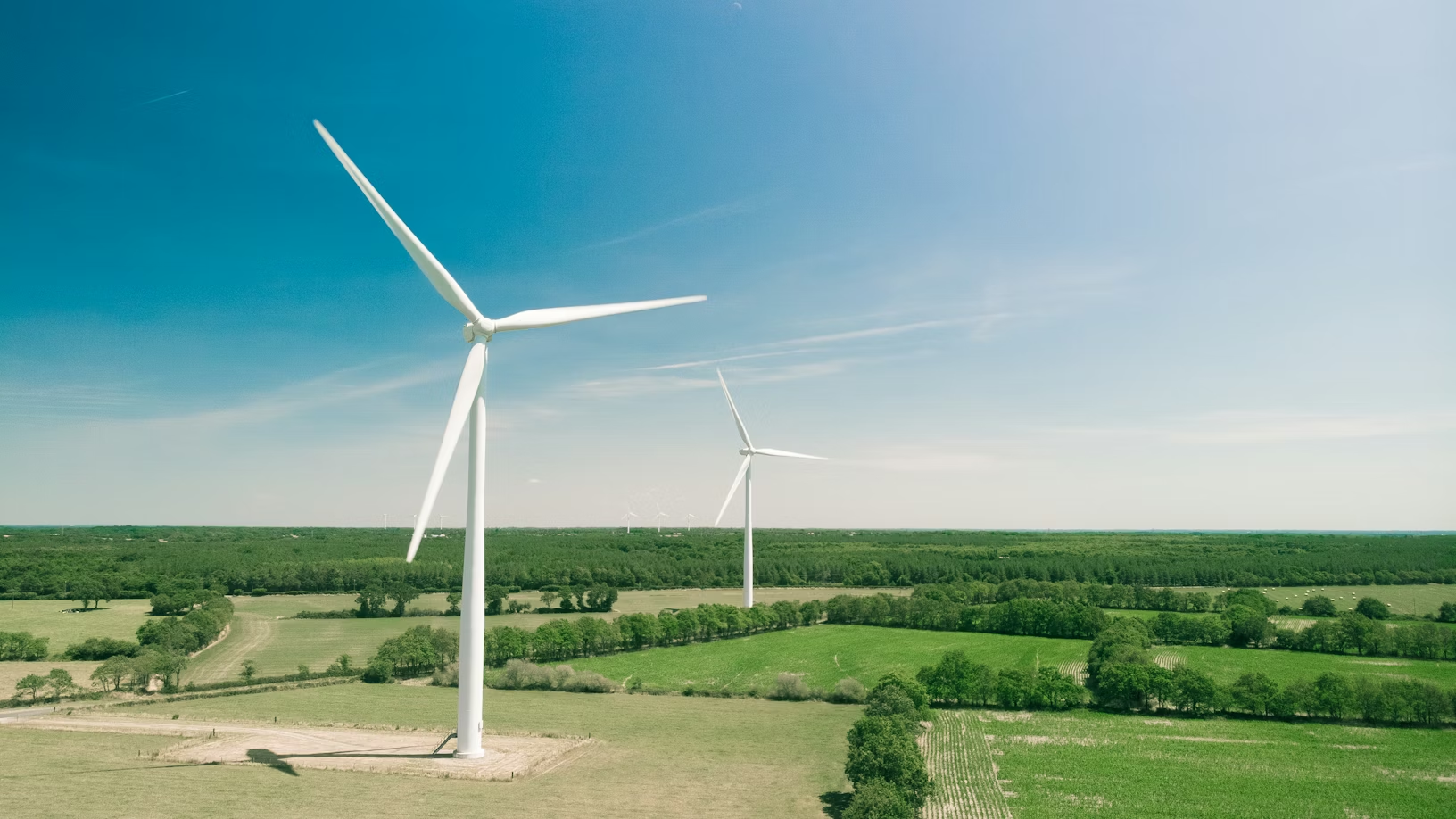

Wind energy plays a key role in today’s energy plans. This is especially true during times of political unrest. It turns the motion of air into power using turbines. This gives a clean, endless option instead of oil and coal. The Iran war crisis shakes up oil supplies and adds world worries. Wind energy helps steady those supplies. It also cuts ties to risky areas. For leaders and those who put money in projects, this change is about more than green living. It is about staying strong when energy safety shapes a country’s power.
The Strategic Role of Wind Energy in Global Stability
World energy steadiness links more to how countries handle big shocks. The Iran fight shows weak spots in old oil paths. It stresses the need to mix up energy choices around the globe.
Assessing the Current Geopolitical Landscape
The Iran fight affects world energy trade in deep ways. Blocks in Middle East oil sales spread trouble to money systems and business paths. This hits makers and buyers everywhere. When ships change routes or pipes get danger, oil costs jump fast. Such ups and downs show how tied economies are to fuel lines that fights can break easily.
Blocks in oil chains hurt world money steadiness. They boost price rises and cut factory work. If paths like the Strait of Hormuz risk shut down, ship costs go up. Moves slow. Making goods gets pricier across lands. This chain reaction shows why other power sources matter. Wind is one that is good for the earth and key for plans.
The push for strong backup power plans is stronger now. Lands speed up green power use to guard against coming troubles. Wind setups can go on home ground or out at sea. They shield countries from outside fights. At the same time, they keep power output steady.
Wind Energy as a Stabilizing Force in Energy Markets
Mixing power sources cuts need for shaky areas. It boosts a country’s own control. By growing wind setups, places can lower risks from bought fuels. Those fuels change price with each news or attack.
Wind power helps keep energy prices even. Once turbines run, extra cost to make power is almost nothing. This fights rises in fuel costs during war blocks. In Europe, more wind use links to less change in power sale prices during late fights.
Wind setups stay out of world fights. They do not need deals across borders or pass rights like oil spots. Farms for wind can build on own land or sea zones. This freedom makes them tools for safe plans. Not items to trade in talks.
Economic Implications of Wind Energy Expansion During Conflict
When fights change how money moves, funds look for safe spots. Green power gives that safe place. The Iran war speeds this by guiding backers to areas less hit by world risks.
Shifts in Global Investment Flows Toward Renewables
Backers move money from old fuels to green ones in rough times. Green items give sure gains under long deals. Leaders back this with set prices and tax help. These keep money coming even when world trade shakes.
Long deals and rule boosts make wind grow fast in build money. Big backers see wind as guard against green rules. It also makes steady cash in hard days.
Spreading risks by mixing green choices lets power firms and money groups balance. They pair wind’s changes with steady ones like water or atom power. This softens hits from good price jumps. It fits green rules too.
Impacts on Energy Prices and Market Volatility
Wind makes power fights oil price jumps from fights. It gives a free path not hit by sea blocks or bans. In late Gulf rises, lands with much green saw small power cost hikes. This beat those tied to bought fuels.
Linking to grids and save tech boost bend in markets. They even out high use times and spotty wind days. New battery setups store extra night wind for day needs. This helps in sudden supply cuts.
Places like Denmark and Spain show steady prices from green shares over 40% from wind. They prove mixed grids take outside hits without big user cost changes.
Technological Advancements Strengthening Wind Energy Resilience
Tech steps keep building wind’s spot as a sure base for power nets. This holds even in stress from wars or trade breaks.
Innovations Enhancing Efficiency and Reliability
Sea wind builds cut place risks. They turn shore towns into own power spots. Sea spots have firm, even winds over land ones. This fits big power far from crowd fight zones.
New turbine stuff boosts work in mixed weather. It lengthens use time and cuts fix stops. This matters when move nets face war waits or part bans.
AI guess fixes keep work going. It spots issues before breaks. This cuts blackouts even if fix teams lack from world limits.
Integration with Broader Renewable Systems
Links between wind, sun, and battery saves for net steadiness give nonstop power. It works no matter weather or hour. Smart nets adjust power flow on spot use. This is key when old nets face net attacks or harm risks in fights.
Links across borders boost group strength in hard times. Neighbors share extra power quick via number tools. This cuts dark risks even in area mess.
Policy Frameworks Supporting Wind Energy Amid Geopolitical Tensions
Rule paths decide if lands see green as extra or main defense parts. More leaders pick the second. They tie clean power growth to safe plans.
National Strategies for Renewable Independence
Leader steps push home wind growth. This shows move to own control in key builds. Many lands put green goals in defense plans as full strong setups.
Help shifts to green over old fuel push private builders to speed work lines. This holds despite trade doubt from world fights.
Safe-linked power rules mix green. Army spots use small nets with local wind. This cuts need for weak fuel lines in hard times.
International Cooperation and Energy Diplomacy
Group plans among lands guard green chain risks. They stop pile ups like in old fuel trade. Shared work keeps turbine parts open if one land gets bans or blocks.
World groups set wind tech rules. This eases money across borders. It boosts fit between net systems in friend lands.
Talk power from green own work gives lands more free at meet tables. Their money no longer hangs on bought oil open to stops or harm.
Environmental and Social Dimensions of Wind Energy Stability Contribution
Besides money and world plays, green holds steady with earth care and people change. This keeps towns strong when world nets pull under fight stress.
Environmental Benefits During Conflict-Induced Disruptions
Less gas out in fuel short or ban times help keep earth promises. War cuts make this hard elsewhere. Wind keeps making without bad air that hurts in help crises.
Keeping nature even with spread clean power skips home loss from quick dig work. Like open mine in war times.
Less earth harm than war dig means less clean cost after fights. This gain is key over years, not just now.
Societal Adaptation and Workforce Transformation
Jobs in green field cut loss in old energy work. This gives money flow for workers hit by plant stops or move bans from near fight spots.
Town strong from local small nets lets places keep base needs alone. When big nets fail from hits or net breaks in new war types.
Learn and train plans match worker skills to green tech. This keeps know-how with fast change. It turns job loss to growth in new green work.
Future Outlook: Wind Energy as a Pillar of Global Security Architecture
Ahead, guesses say ongoing world shakes will speed money push to spread clean power. Wind growth leads this world wide.
Projected Growth Trajectories Under Continued Geopolitical Uncertainty
Plans for world wind growth to 2030 show over 8% yearly rise. Asia-Pacific drives this to shield from Middle East fuel shakes. Looks at fight strength and green take show more use after big breaks since 2010. From Arab Spring to now Gulf issues. Green grows in push, not back.
New lands key in mixing world energy needs. Africa’s shore paths build big sea projects. They can send extra power north via links in plans like the African Clean Power Corridor. Groups like IRENA back this.
Strategic Recommendations for Sustaining Stability Through Renewables
Focus build money in good spots like North Sea or Indian Ocean. This brings quick job gains and long guard from outside fuel cuts.
Push work links between safe, power, and tech fields. This sparks new ideas. Net safe from army nets now guards smart power for turbine groups world wide.
FAQ
Q1: How does wind energy contribute to geopolitical stability?
A: It reduces reliance on fossil fuel imports from unstable regions, insulating economies from war-driven price shocks while supporting domestic production capacity growth.
Q2: Why is offshore wind important during conflicts?
A: Offshore projects operate far from populated areas vulnerable to attacks or blockades, providing steady generation unaffected by land-based disruptions common during wars like the Iran crisis.
Q3: How do investors view wind projects amid instability?
A: They treat them as low-risk assets backed by long-term contracts offering predictable cash flows independent of volatile commodity markets influenced by geopolitical events.
Q4: What role do governments play in expanding wind capacity?
A: Governments create incentives such as subsidies, tax credits, and defense-linked policies promoting self-sufficiency through domestic renewable buildouts aligned with national security goals.
Q5: Can communities rely solely on local wind power during emergencies?
A: Yes; microgrids powered partly by nearby turbines can sustain hospitals, communication centers, and water facilities independently if central grids fail due to war-related damage or cyberattacks.