
The global solar battery storage field is changing fast. This happens because of policy changes, tech improvements, and the push to cut carbon. As renewable energy grows, storage plays a bigger part in matching supply with demand. This piece looks at recent changes, market forces, and problems shaping the future of solar battery storage around the world.
How Is the Global Solar Battery Storage Market Expanding?
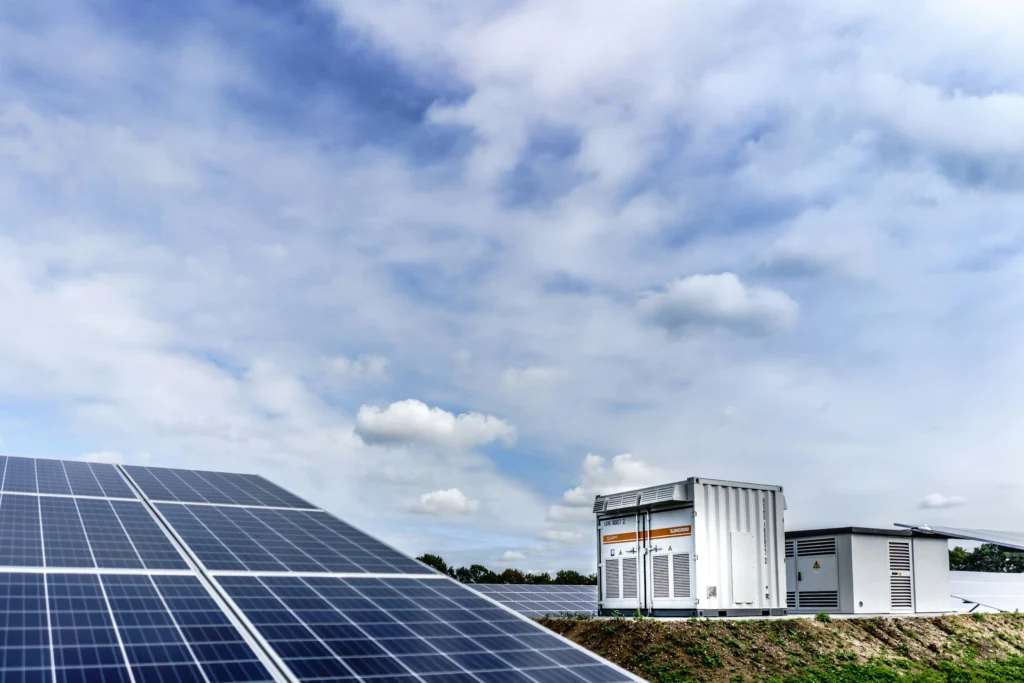
The solar battery storage market has seen huge growth. This comes from lower tech costs and helpful rules. BloombergNEF’s 2023 report says global energy storage setups will hit over 500 GW by 2030. Solar-plus-storage systems will take a big slice of that. Growth happens in homes and big grid projects alike.
Regional Market Growth Trends
Asia-Pacific tops the list for installed capacity. China’s strong renewable goals and factory power lead the way. Europe comes next. Countries there want strong grids during energy worries. In the U.S., the market keeps growing thanks to tax breaks from the Inflation Reduction Act (IRA). These breaks help standalone energy storage projects.
Key Market Drivers
A few things push this growth along. Lithium-ion battery prices drop steadily. Electricity needs rise with more electric devices. Governments require more renewables in the mix. Utility firms add solar battery storage to keep grids steady in busy times or blackouts. Businesses put money in to cut bills and shrink their carbon mark. For example, a factory in Texas might use these systems to power machines at night without extra fees from the grid.
Emerging Investment Patterns
Private funds and big investors jump in now. Returns look more steady these days. Long-term power purchase agreements (PPAs) link to solar-plus-storage projects. This is common in places like California and South Australia. Investors see these as shields from wild fossil fuel costs. It’s interesting how a small shift in oil prices can make these deals even more appealing.
What Technological Innovations Are Shaping Solar Battery Storage?
Tech steps forward set the speed for use in this area. Lithium-ion batteries rule the market right now. But other types and mixed systems pop up quickly.
Advancements in Lithium-Ion Technology
Makers have boosted cycle life, safety, and power per size with better cathode stuff like LFP (lithium iron phosphate). These changes fit hot weather and long-use jobs. Tesla’s Megapack 2 XL and CATL’s new high-density cells show this shift. In real life, a solar farm in sunny Arizona uses these to store power all day without overheating worries.
Rise of Alternative Chemistries
Flow batteries with vanadium or zinc-bromine mixes draw eyes for storage over four hours. Sodium-ion tech picks up speed too. It costs less and uses common materials unlike lithium. Think of a remote village in India relying on sodium-ion for steady lights after sunset.
Integration with Smart Grids
Digital tools raise system work through guesswork math and AI energy control setups. Smart grid links let spread-out solar battery systems join virtual power plants (VPPs). They offer help like steadying power flow or cutting peak use. This setup feels like a team effort, where home batteries team up with big plants to smooth out daily ups and downs.
Why Are Policies Crucial for Solar Battery Storage Deployment?
Government plans shape how quick solar battery storage grows worldwide. Steady rules build trust for investors and make projects work.
Incentives and Subsidy Programs
Lots of countries use feed-in tariffs or cash backs for solar with batteries. Japan’s Ministry of Economy gives rebates up to one-third of setup costs for home users with combined systems. Such help makes the switch easier for families on tight budgets.
Regulatory Reforms Supporting Grid Integration
New connection rules make it simpler for small energy sources to hook into big grids. In Europe, the Clean Energy Package builds markets that pay users for holding extra power in quiet times. It’s a smart way to reward everyday folks for helping the system.
Long-Term Decarbonization Targets
Country goals for no net emissions speed up big setups. India wants 500 GW of renewables by 2030. This needs lots of storage to handle solar highs at noon. Without it, power might go to waste, which no one wants in a growing economy like that.
How Do Economic Factors Influence Market Dynamics?
Money matters hit choices hard across the whole chain, from digging materials to putting systems in place.
Impact of Raw Material Prices
Lithium carbonate costs jumped in 2022. But they calmed in 2023 with more mines in Chile and Australia. Still, cobalt and nickel supplies for some cells stay tight. A delay in one mine can ripple through factories worldwide, slowing new builds.
Cost Competitiveness Against Fossil Fuels
Solar-plus-storage setups now match natural gas plants on cost per kilowatt-hour at peak. Experts say equal costs will spread to most areas by 2026 if trends hold. It’s becoming a real choice, not just a green dream.
Financing Challenges and Solutions
Big starting costs scare off some builders, even with good payoffs later. New money plans like renting or group ownership open doors for small shops or homes. In one case, a neighborhood in Germany pooled funds for shared batteries, cutting everyone’s power bill by 20%.
What Are the Major Challenges Facing Solar Battery Storage?
Growth is strong, but hurdles slow things down in many places.
Recycling and End-of-Life Management
Recycling setups fall behind how fast batteries go in. Closed-loop plans can pull back key metals and cut trash harm. Global rules on disposal vary too much, which creates uneven progress. Imagine piles of old batteries waiting years for proper handling—that’s a mess we need to fix soon.
Grid Stability Concerns
More use means tricky two-way power moves for power companies not ready for spread-out power. Grid upgrades are key but often wait on rules or cash shortages. A blackout in a city last year showed how fast things can go wrong without better prep.
Public Perception and Safety Issues
Fires from heat buildup are rare, but they scare people new to setup rules or upkeep for big units. Education campaigns help, yet trust builds slowly in spots with past issues.
How Is Global Competition Evolving Among Manufacturers?
Rivalry heats up as old names meet fresh ones with new ideas or local builds.
Dominance of Asian Manufacturers
China’s CATL and BYD hold the top spots. They control steps from mining to cell making and full assembly. Scale keeps prices low and supply sure. Their edge comes from years of steady work, not overnight luck.
Western Expansion Strategies
European groups like Northvolt pour cash into home mega-factories. EU Green Deal money cuts Asian import needs. U.S. firms use IRA breaks to build in North America’s clean energy spots. It’s a push to bring jobs home while chasing green goals.
Collaboration Across Sectors
Ties between car makers, power firms, and tech groups mix old lines. Car batteries get a second life in fixed spots after vehicle days end. This stretches value smartly. Partnerships like these often spark surprises, like a utility borrowing EV tech for faster grid fixes.
What Does the Future Hold for Solar Battery Storage?
The coming ten years should see tighter links between renewables, digital tools, and bendy markets built on user input over top-down ways.
Expansion into Developing Economies
Growing areas in Africa and Southeast Asia take up small grid setups with solar-plus-storage. These fix shaky power access and boost local business through self-reliant energy. In rural Kenya, such systems already power schools, changing lives one charge at a time.
Role in Electrifying Transportation Networks
EV charge spots add on-site solar batteries to ease grid strain in busy hours. This fits transport green-up with wide sustainability plans. Picture a highway stop where sun power fuels cars without spiking evening demands.
Outlook Beyond 2030
Experts see mixed fixes with hydrogen storage and better batteries for year-round balance. This fits full renewable setups for Paris Agreement aims past mid-century. The path won’t be straight—weather quirks and policy twists will test us—but the direction looks solid.
FAQ
Q1: What is driving the rapid growth of solar battery storage globally?
A: Lower tech costs, helpful government rules, higher electricity needs from electric trends, and rising funds from utilities and private groups push solar battery storage ahead worldwide.
Q2: Which region currently leads in installed capacity?
A: Asia-Pacific leads thanks to China’s factory might and rule backing; Europe trails close with its eye on tough grids during energy scares.
Q3: Are alternative chemistries replacing lithium-ion batteries soon?
A: Not right away; lithium-ion stays king for cheap power, but options like sodium-ion or flow batteries rise where long hold times beat space needs.
Q4: How do government incentives impact adoption rates?
A: Breaks like tax cuts or cash help cut start costs, making setups appealing, especially with steady rules for grid joins like VPPs.
Q5: What major challenge must be solved next decade?
A: Building big recycling systems for green end handling while keeping prices low will matter as setups grow each year.