
Why Global Conflicts Have Sparked a Major Rise in Solar Power
Global conflicts have redrawn the energy map. Disruptions in fossil fuel supply chains and rising geopolitical risks have accelerated the shift toward solar power. Nations once dependent on imported oil and gas now view solar infrastructure as a strategic asset, not just a climate solution. Solar energy companies are expanding rapidly, supported by defense-oriented policies and technological innovation. The result is a global race for decentralized, resilient power systems that can withstand political shocks and resource disruptions.
Shifting Global Energy Dynamics in Times of Conflict
Geopolitical instability has turned energy dependence into both an economic and security vulnerability. The volatility of fossil fuel markets during conflicts has forced governments to reconsider how they produce and secure energy.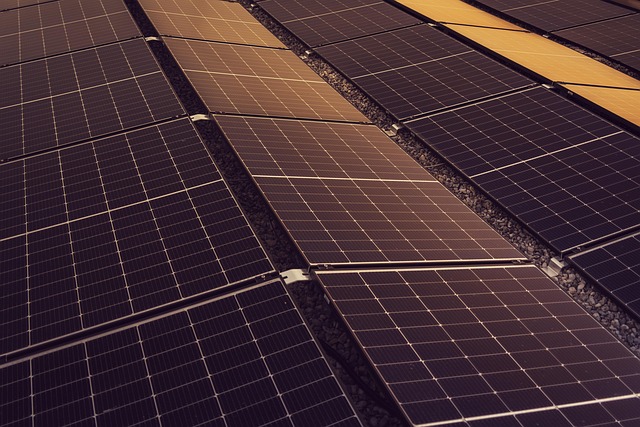
The Relationship Between Geopolitical Instability and Energy Dependence
Conflicts often disrupt oil and gas supply routes, creating sharp price swings across global markets. Countries that rely heavily on imports face immediate exposure when pipelines or shipping lanes are compromised. This exposure has encouraged many to pursue self-sufficiency through renewables. Solar power, in particular, offers a scalable path to independence because it relies on local resources—sunlight rather than imported fuels.
How Energy Security Has Evolved as a Strategic Priority
Energy security has become integral to national defense planning. Governments now treat sustainable power generation as part of their resilience strategies. Diversifying energy sources protects economies from external shocks while aligning with environmental goals. Solar grids, being decentralized by nature, can operate even when centralized systems fail due to conflict or cyberattacks.
The Strategic Role of Solar Energy Companies in Power Security
As traditional energy networks weaken under geopolitical pressure, solar energy companies are stepping into a pivotal role. Their ability to deploy modular systems quickly makes them valuable partners for both governments and private sectors seeking stability.
Expanding Solar Infrastructure Beyond Traditional Markets
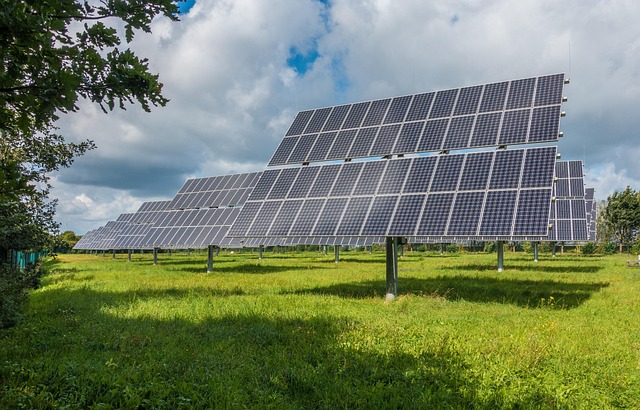
Solar developers are extending operations into regions historically dependent on fossil fuels. In Africa and South Asia, large-scale solar farms now stabilize local grids previously reliant on diesel imports. Partnerships between corporations and state agencies enable fast deployment of capacity where conventional infrastructure lags behind.
Decentralization and Grid Independence as Security Assets
Distributed solar networks minimize exposure to grid-wide failures caused by sabotage or shortages. Microgrids powered by solar arrays can sustain hospitals or communication centers even when national grids collapse. With battery storage integrated into these systems, electricity remains available during prolonged disruptions—a critical advantage in unstable regions.
Technological Innovations Strengthening Solar Reliability
The reliability of solar technology has improved dramatically through advances in materials science and digital systems integration. These breakthroughs make solar power not only cleaner but also strategically robust.
Advances in Photovoltaic Efficiency and Durability
Modern photovoltaic cells now achieve efficiency rates exceeding 23% under field conditions, thanks to new perovskite-silicon tandem designs tested under IEC standards. Enhanced coatings protect panels from dust storms or high humidity—conditions common in conflict-prone zones—reducing maintenance costs over time.
Energy Storage and Smart Grid Integration
Battery technology has evolved from short-term backup to full-scale grid support. Lithium-iron phosphate (LFP) units offer stable output over thousands of cycles with minimal degradation, making them ideal for remote deployments. Smart grids equipped with AI-driven analytics balance fluctuating inputs from solar fields, predicting demand spikes before they occur—a capability highlighted by IEEE research on predictive load management.
Economic and Policy Drivers Behind the Solar Surge
Financial incentives and policy frameworks have amplified the momentum behind solar adoption during crises. Governments recognize that renewable autonomy strengthens both economic stability and defense readiness.
Government Incentives and Strategic Funding Initiatives
Defense ministries increasingly fund renewable projects as part of national security budgets. Subsidies, tax credits, and low-interest loans attract private capital into large-scale installations. Public-private collaborations foster innovation aligned with strategic goals—ensuring domestic manufacturing capacity for critical components like inverters or storage cells.
Market Adaptation Among Solar Energy Companies
Solar energy companies are diversifying portfolios to include hybrid models combining wind or hydrogen solutions for continuous supply coverage. Vertical integration across production chains—from polysilicon refining to module assembly—gives firms tighter control during market shocks caused by conflicts or trade restrictions.
Regional Perspectives on Solar Expansion Amid Conflict Pressures
Different regions have adapted their solar strategies according to their geopolitical realities. Europe’s urgency stems from fuel import disruptions, while Asia-Pacific focuses on securing manufacturing autonomy.
Europe’s Transition from Fossil Dependence to Renewable Resilience
Europe’s pivot accelerated after gas supply interruptions exposed its reliance on external suppliers. Cross-border initiatives such as shared solar interconnectors now enhance regional stability while supporting EU climate neutrality targets for 2050 outlined by the European Commission’s Green Deal framework.
Asia-Pacific’s Response to Supply Chain Vulnerabilities
In Asia-Pacific, alliances among nations aim to localize production of photovoltaic modules and battery components to avoid dependency on politically sensitive suppliers. Investments target rural electrification using modular microgrids that reduce exposure to centralized grid failures—a model endorsed by IRENA’s 2023 regional outlook report.
Future Outlook: Redefining Power Security Through Solar Dominance
The shift toward distributed renewables is more than a technical transition; it represents a reordering of global influence where innovation outweighs resource ownership.
The Emergence of a Decentralized Global Energy Order
Widespread adoption of solar generation is redistributing geopolitical leverage away from fossil-rich states toward technology-driven economies capable of producing clean power locally. Distributed generation models weaken traditional energy chokepoints such as oil transit corridors while encouraging regional cooperation based on shared infrastructure rather than competition for scarce fuels.
The Role of Experts in Shaping the Next Phase of Energy Resilience
Engineers, policymakers, and strategists play critical roles in designing adaptive frameworks that anticipate future disruptions—from cyber threats to extreme weather events linked with conflict zones. Data-driven planning supported by institutions like IEA ensures that innovation continues aligning with long-term resilience objectives rather than short-term market gains.
FAQ
Q1: How do global conflicts directly influence investment in solar power?
A: Conflicts disrupt fossil fuel supplies, prompting nations to invest in renewables like solar for greater autonomy and stability.
Q2: Why are decentralized grids considered safer during crises?
A: They operate independently from central systems vulnerable to attacks or outages, maintaining essential services even under duress.
Q3: What technologies make modern solar systems more reliable?
A: Advances include high-efficiency photovoltaic materials, durable coatings for harsh climates, smart grid software, and advanced battery storage.
Q4: How are governments integrating solar into national security strategies?
A: Many include renewable infrastructure within defense planning through subsidies, procurement programs, and partnerships with private firms.
Q5: Which regions lead current solar expansion efforts amid conflict pressures?
A: Europe focuses on cross-border renewable networks post-fuel disruptions, while Asia-Pacific invests heavily in domestic manufacturing and rural microgrids.