
New Study: Solar and Wind Power Are Actually Cheaper Than the Lowest-Cost Fossil Fuels
A new wave of economic assessments has confirmed that wind power is now among the world’s most cost-competitive energy sources. Recent studies comparing renewables with fossil fuels show that, even without subsidies, utility-scale wind and solar often deliver electricity at a lower levelized cost than coal or natural gas. This shift is not just technological—it reflects deep changes in global energy markets, manufacturing efficiency, and policy frameworks. The conclusion is clear: wind power is no longer an alternative; it is a mainstream economic choice for future energy systems.
Evaluating the Economic Competitiveness of Wind Power
The economic performance of wind power must be examined through structured cost comparisons that reveal its standing against traditional fuels.
Understanding the Framework of Recent Cost Comparisons
The levelized cost of energy (LCOE) remains the standard benchmark for comparing generation technologies. It captures all capital, operating, and financing expenses over a plant’s lifetime, divided by total output. While fossil fuel plants face fluctuating fuel costs, renewables like wind have front-loaded capital expenses but minimal operating costs. Methodological differences arise because fossil assessments depend on fuel price forecasts, while renewable analyses hinge on equipment lifetimes and capacity factors. As technology matures, these parameters stabilize, making modern wind LCOE estimates more reliable than a decade ago.
How Market Dynamics Influence Wind Power Pricing
Beyond technical metrics, market forces shape how wind power prices evolve. Supply chain efficiencies—such as mass production of turbine components—have driven down unit costs. Economies of scale in manufacturing and installation further compress prices per megawatt installed. Commodity price shifts also matter: steel and rare earth metals influence turbine costs directly. Regional variations in resource quality add another layer—high-wind regions like Texas or the North Sea achieve superior economics compared to inland or low-wind zones.
Insights from the New Study on Renewable Energy Costs
Recent comparative analyses provide granular insights into how renewables outperform fossil fuels across multiple cost dimensions.
Key Findings Comparing Wind Power to Fossil Fuels
Most contemporary studies show that onshore wind already achieves price parity with or undercuts new coal and gas generation in many markets. Offshore projects are narrowing that gap rapidly due to scaling and innovation. The distinction between CAPEX and OPEX is central: renewables bear higher upfront costs but enjoy negligible fuel expenses over time. Sensitivity analyses reveal that assumptions about carbon pricing or fuel volatility can dramatically alter fossil competitiveness—when externalities are priced properly, renewables dominate.
Methodological Rigor and Data Sources Behind the Study
The study draws upon datasets from institutions such as IEA, BloombergNEF, and Lazard’s annual LCOE reports. These sources integrate both historical data and forward projections to model real-world economics. Short-term assessments capture current market disruptions like supply bottlenecks, while long-term projections account for learning curves and technology diffusion rates. Confidence intervals remain narrow for mature technologies like onshore wind, indicating robust statistical reliability despite regional variation.
Technological Factors Driving Down Wind Energy Costs
Cost declines in wind power are not merely financial—they stem from tangible engineering progress and smarter operations.
Advances in Turbine Design and Efficiency Gains
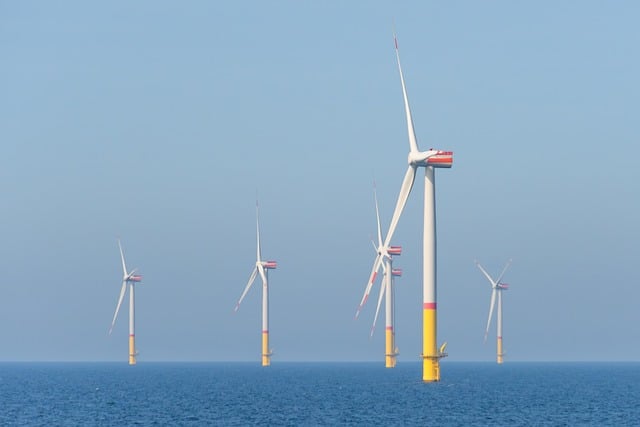
Modern turbines feature rotor diameters exceeding 150 meters and hub heights surpassing 120 meters, enabling higher capacity factors even in moderate-wind areas. Improved blade materials reduce fatigue stress and extend service intervals, cutting maintenance needs over decades of operation. Offshore platforms now deliver steadier generation profiles thanks to stronger marine winds and advanced foundation designs that withstand harsher conditions.
Integration with Digital Technologies and Predictive Maintenance
Digitalization has become a hidden driver of cost reduction. AI-based monitoring systems track vibration patterns to detect early-stage faults before they escalate into downtime events. Predictive analytics refine maintenance schedules based on actual wear rather than fixed intervals, reducing unnecessary servicing costs. Data-driven asset management tools allow operators to optimize fleet-wide performance across variable sites throughout their lifecycle.
Policy, Subsidies, and Externalities Affecting Cost Competitiveness
Economic competitiveness depends not only on technology but also on how policies internalize social costs into market signals.
The Role of Government Incentives and Carbon Pricing Mechanisms
Production tax credits (PTCs) in the United States or feed-in tariffs in Europe have historically accelerated deployment by improving project bankability. Investment tax credits (ITCs) further lower effective LCOE during early build-out phases. Carbon pricing mechanisms—whether via taxes or cap-and-trade—correct market distortions by embedding environmental externalities into fossil energy prices. Stable policy environments foster investor confidence essential for large-scale renewable infrastructure financing.
Accounting for Hidden Costs in Fossil Fuel Generation
Traditional cost comparisons often ignore indirect burdens such as air pollution health impacts or land degradation from mining activities. When these externalities are monetized through lifecycle emission analysis or social cost of carbon frameworks, fossil fuels appear substantially more expensive than their nominal generation prices suggest. Economists increasingly argue for integrating these hidden costs into national energy planning models to reflect true economic efficiency.
Grid Integration and System-Level Considerations
As variable renewables expand their share of generation portfolios, system-level integration becomes a decisive factor in total cost outcomes.
Balancing Intermittency Through Storage and Flexible Generation
Battery storage systems now play a pivotal role in smoothing output variability from wind farms during low-resource periods. Hybrid projects combining wind with solar arrays create complementary production curves that stabilize grid supply profiles throughout the day. Enhanced forecasting tools leveraging meteorological data improve dispatch planning accuracy across transmission networks.
Transmission Infrastructure and Regional Energy Markets
Expanding high-voltage transmission lines remains critical for connecting remote windy regions to demand centers. Cross-border electricity trading enhances flexibility by allowing surplus renewable power to flow where it’s needed most across regional grids. Market reforms introducing dynamic pricing better align compensation mechanisms with variable renewable generation characteristics.
Long-Term Economic Implications for Energy Transition Strategies
The falling trajectory of renewable costs signals structural transformation across global investment patterns.
Projected Cost Trajectories for Wind Versus Fossil Fuels by 2030–2040
Forecasts from major agencies predict continued declines in LCOE for both onshore and offshore wind through 2030 due to incremental design improvements and manufacturing scale-up effects. By mid-century, some analysts anticipate plateauing trends as physical efficiency limits approach; however, digital optimization could sustain marginal gains beyond hardware constraints. Future competitiveness will also depend on raw material supply chains—particularly rare earth elements used in turbine magnets.
Strategic Investment Outlook for Energy Stakeholders
Institutional investors increasingly shift capital allocations away from carbon-intensive assets toward diversified renewable portfolios to mitigate long-term risk exposure. Financial models now incorporate stranded asset probabilities when evaluating fossil infrastructure viability under tightening climate policies. For governments, aligning national strategies with this economic reality means prioritizing grid modernization and clean-tech industrial development over legacy fuel subsidies.
FAQ
Q1: Why is wind power considered cheaper than fossil fuels today?
A: Because its levelized cost has dropped below new coal or gas plants due to technological maturity and zero fuel expenses over time.
Q2: What factors most influence future wind energy prices?
A: Turbine design improvements, commodity input prices like steel, policy stability, and supply chain efficiency all play major roles.
Q3: How does carbon pricing affect competitiveness?
A: It increases fossil fuel operating costs by internalizing environmental damages, making renewables comparatively cheaper per megawatt-hour produced.
Q4: Are offshore wind projects economically viable yet?
A: Yes, particularly in regions with strong marine winds where economies of scale offset higher installation costs; many reach near-parity with gas-fired plants.
Q5: What risks could slow further cost reductions?
A: Material shortages, inflationary pressures in global supply chains, or inconsistent policy frameworks could temporarily stall downward price trends for new installations.