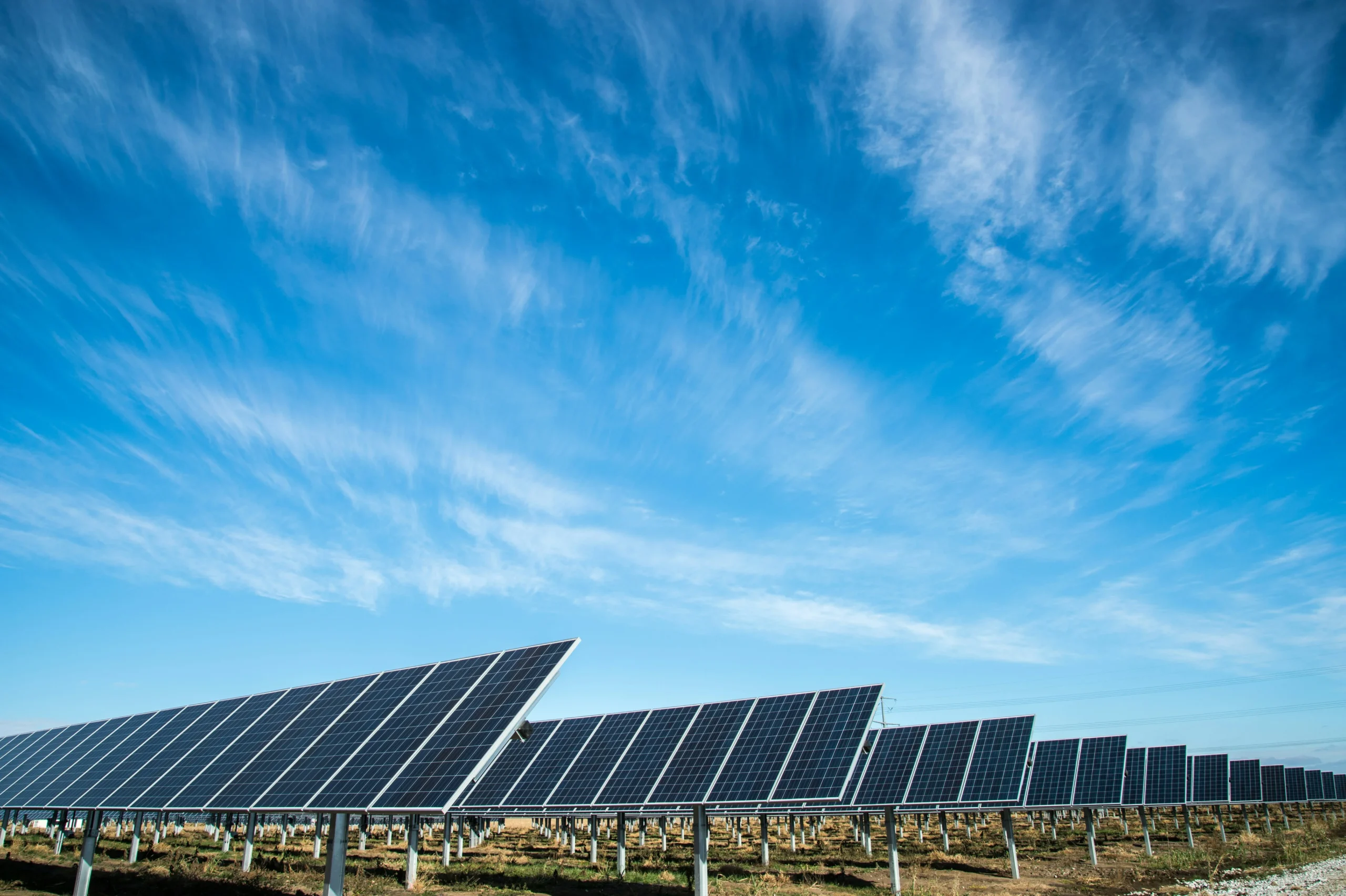

The solar energy field has expanded quickly over the past ten years. Solar panel cleaning stands out as a key part of upkeep in this area. As people around the world want more clean power, the push to keep photovoltaic (PV) systems working well grows stronger. This piece looks at recent changes in the market, new tech ideas, and local patterns that shape the solar panel cleaning business on a global scale. It’s interesting to note how even small dust spots can mess with a whole farm’s output, based on what I’ve seen in reports from sunny spots like Arizona.
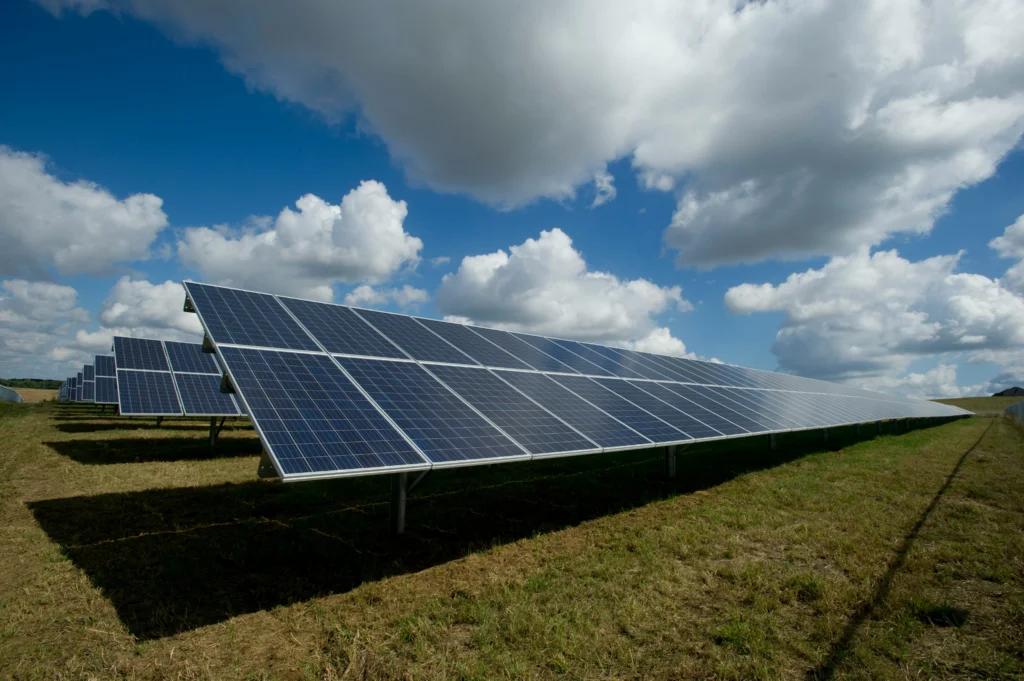
Why Is Solar Panel Cleaning Becoming a Global Priority?
Solar panel cleaning moved from a minor job to an important step for getting the most energy out. Dust, bird waste, and dirt from pollution can cut panel output by as much as 30 percent without regular care. Such drops hit hard on the wallet, especially for big solar sites that need quick returns on their spending.
Growth Drivers in Renewable Energy Adoption
The worldwide shift to green power sources speeds up spending on solar setups. The International Energy Agency (IEA) says solar PV capacity will beat all other ways to make electricity by 2027. This boom naturally boosts the need for smart upkeep options. For example, automated or robotic cleaning tools cut down on water needs and worker costs. In places like California’s deserts, these tools help farms stay productive without wasting resources.
Increasing Efficiency Demands from Investors
People putting money into solar now care about day-to-day work as much as setup prices. Clean panels give better results and shorter times to earn back costs. Firms add tools that predict when to clean by watching dirt buildup. These tools only start cleanings when truly needed. This way, they save water that might go to waste otherwise.
Impact of Environmental Regulations
Rules about the environment in spots like the European Union and California push for ways to clean that use less water. Dry-cleaning robots with air blasts or static brushes are getting popular where water is hard to find. These new ideas fit with goals to protect nature. At the same time, they keep strong work standards. Take the EU’s push—it’s made companies rethink old washing methods to avoid fines and help the planet.
What Are the Latest Technological Innovations in Solar Panel Cleaning?
New tech has changed how we keep solar setups in good shape. It went from hand washing to smart robots run by AI. This shift keeps reshaping the whole area. Sometimes, I wonder if we’ll see even simpler tools for home users soon.
Robotic Cleaning Systems
Robots lead the way in fresh setups because they work accurately and steadily. Makers like Ecoppia built self-running robots that clean at night with no water. This cuts stop times and saves supplies. They work best for projects in sandy deserts where dirt piles up fast. For instance, a farm in Israel uses these to run daily without much hassle, boosting output by 20 percent in dusty seasons.
Waterless Cleaning Technologies
Lack of water sparked new dry ways to clean, like brushes with static electricity or blasts of air. These skip water altogether. They also avoid tiny scratches that might hurt panels over time. In dry areas like parts of Australia, farmers swear by these to keep things running without hauling water trucks.
Smart Monitoring and IoT Integration
Platforms with IoT let workers check how clean panels are from far away. They use sensors or pictures from drones up in the air. By mixing live info with weather outlooks, these setups plan the best times to clean on their own. It’s like having a watchful eye that never sleeps, catching issues before they grow.
How Are Regional Markets Responding to Solar Panel Cleaning Needs?
Each area deals with its own weather problems that affect how they handle solar upkeep. This variety makes the market exciting to follow.
North America’s Focus on Automation
In North America, mainly the United States, huge power projects pick robotic fixes because of high worker pay and big field sizes. Businesses also blend AI checks into software for managing assets. This helps make smarter choices. Over in Texas, where wind and sun mix, these automations handle vast spreads without breaking a sweat.
Asia-Pacific’s Rapid Market Expansion
Asia-Pacific tops the list for growth with giant setups in China, India, and Australia. In India’s dry lands like Rajasthan or Gujarat, dust is a big headache. So, homegrown companies pour cash into cheap mechanical cleaners for tough weather. These tools are built tough, lasting through heat waves that hit 50 degrees Celsius.
Europe’s Sustainability-Driven Innovation
Europe stresses green fixes that match its Green Deal plans. Lots of firms try out soaps that break down naturally or special coatings that push dirt away. This cuts how often you need to clean and keeps things earth-friendly. In Germany, for example, solar roofs on homes use these coatings to stay cleaner longer, even in rainy spells.
What Economic Trends Define the Global Solar Panel Cleaning Market?
The money side of this field shows how tech is settling in and how local rules play a role. It’s not just numbers—real jobs and growth tie into it.
Market Valuation and Forecasts
Allied Market Research (2023) puts the global solar panel cleaning market at about USD 1 billion in 2022. They expect it to hit over USD 2 billion by 2032. The yearly growth rate sits above 8 percent. This rise comes from more solar farm builds and tougher rules on how well they perform. With solar popping up everywhere, from rooftops to fields, the cleaning side can’t lag behind.
Cost Reduction Through Automation
Using machines cuts ongoing costs by slashing worker pay needs by almost 70 percent over hand washing. The starting price is steeper, sure. But for big plants over 50 MW, you get your money back in two years. It’s a smart switch, especially when labor shortages hit hard in rural spots.
Investment Opportunities in Emerging Markets
Growing spots like Brazil, South Africa, and Saudi Arabia offer good chances. They build up green energy plans while facing tough weather like sand storms or muggy air. These call for steady cleaning rounds. Investors eye these areas because the need is real and growing fast—think of Saudi’s huge desert projects needing daily dust fights.
How Do Environmental Factors Influence Cleaning Frequency?
Weather around a site sets how often panels need a wipe-down. No one size fits all schedules across the globe. Local quirks make it tricky but fascinating.
Dust Accumulation in Arid Regions
Places like the Middle East see lots of dust settle quick. It can slash energy by up to a third in just weeks if ignored. Robotic dry cleaners shine here. They run every day with no people needed. In the UAE, farms report staying at peak with these bots, even during peak storm months.
Urban Pollution Impact on Rooftop Systems
City rooftop setups battle air grime like black soot or factory smoke. These make sticky gunk that’s tougher to shift than plain dust. Special gentle cleaners stop scratches while clearing the glass covers. New York buildings, for one, use these to keep urban panels humming without damage from city haze.
Seasonal Variations Affecting Maintenance Planning
In milder weather zones, rain might rinse panels in wet times. But it often leaves hard water marks that need a follow-up wash. Now, planning software pulls in weather info to guess the right wash times. This smart touch avoids guesswork, saving time and effort in places like the UK where seasons swing wide.
What Challenges Does the Industry Face Moving Forward?
Tech advances help a lot, but roadblocks still slow down wide use of top cleaning ways worldwide. It’s a mix of money woes and real-world limits.
High Initial Costs for Automation
Smaller groups find it tough to pay up front for robots or IoT links, even with savings down the line. New ways to fund, like renting or pay-for-service cleaning, are popping up to ease this. In smaller Indian villages, these models let farmers test bots without big loans.
Water Scarcity Concerns
Wet cleaning methods don’t work well in dry zones where saving water matters more than ease. Research keeps going on full dry options, like pulling off static or coatings that make dirt slide off. These aim to fix the water puzzle without skimping on clean results. Australia’s outback trials show promise, cutting water use to zero.
Lack of Standardized Performance Metrics
Right now, no set yardstick measures how clean is “clean enough.” This confuses buyers trying to pick between tools in different markets. Groups in the field start teaming up for shared tests to fill this hole. It’s slow, but it’ll make choices clearer soon.
FAQ
Q1: How often should solar panels be cleaned?
A: It varies by spot; dry deserts might need a weekly scrub while cooler areas could do with checks every three months based on rain and dirt in the air.
Q2: Can dirty panels really reduce output significantly?
A: Yes, research points to losses of 15 to 30 percent from junk blocking sun on the surfaces.
Q3: Are robotic cleaners suitable for residential rooftops?
A: Most models aim at big commercial fields now, but tiny ones for homes are coming out. They’re still pricier than hand washing, though.
Q4: What’s driving innovation toward waterless technologies?
A: Worldwide worries about running low on fresh water nudge makers to dry options like air bursts or static brushes over old rinse ways.
Q5: Will automation replace human labor entirely?
A: No, not fully—workers will handle setup tweaks, safety looks, and fixes while bots do the daily wipe-downs on huge sites.