

Low Frequency Sound From Wind Turbines Affects the Inner Ear
Wind electric energy systems, while vital for sustainable power generation, produce low-frequency and infrasonic sounds that can interact with the human auditory and vestibular systems. Research indicates that although these sounds often fall below the threshold of conscious hearing, they may still trigger subtle physiological responses in the inner ear. The interaction between turbine-generated acoustic pressure waves and cochlear or vestibular structures remains a complex subject within auditory biophysics.
Acoustic Characteristics of Wind Electric Energy Systems
The acoustic behavior of wind turbines arises from both aerodynamic and mechanical processes. These mechanisms determine how sound is produced, transmitted, and perceived across varying distances.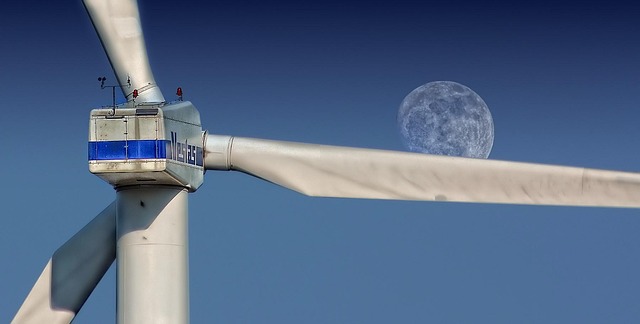
Mechanisms of Sound Generation in Wind Turbines
The primary source of noise in modern wind electric energy systems comes from aerodynamic interactions between rotating blades and airflow. As each blade passes through turbulent air, it generates pressure fluctuations that radiate as broadband noise. Mechanical vibrations from the gearbox and generator add tonal components at lower frequencies. The overall acoustic output depends on turbine size, blade geometry, and rotational speed—larger rotors tend to produce more pronounced low-frequency emissions due to slower tip speeds and greater surface area.
Frequency Spectrum and Sound Propagation
Wind turbines typically emit sound across a wide frequency range from 20 Hz up to several kilohertz, but most energy concentrates below 500 Hz. Low-frequency components propagate efficiently through air because their wavelengths are long relative to obstacles such as terrain or vegetation. However, attenuation increases with distance due to atmospheric absorption and ground effects. Weather conditions—especially temperature gradients and wind shear—can refract sound waves upward or downward, changing perceived loudness at ground level.
Low-Frequency and Infrasound Components in Wind Turbine Emissions
While audible noise has been extensively studied, attention has shifted toward low-frequency and infrasonic bands where perception is less direct but potential physiological effects are debated.
Defining Low-Frequency and Infrasound Ranges
Low-frequency sound generally spans 20–200 Hz, while infrasound lies below 20 Hz. Humans rarely perceive tones under 20 Hz as discrete sounds; instead, they may sense vibration or pressure modulation. Vestibular sensitivity extends into this sub-audible region, meaning exposure could influence balance or spatial orientation even without conscious hearing.
Measurement Techniques for Low-Frequency Noise
Field measurements rely on precision microphones capable of detecting minute pressure variations down to a few pascals. Accelerometers mounted on turbine towers help identify structural vibration coupling into airborne sound. Signal processing methods such as narrowband spectral analysis isolate turbine-related components from background noise like ocean waves or traffic. Distinguishing these sources remains challenging because environmental conditions constantly fluctuate.
Interaction Between Low-Frequency Sound and the Human Inner Ear
The inner ear’s response to low-frequency pressure changes provides insight into potential biological impacts near wind farms.
Physiological Sensitivity of the Inner Ear to Low Frequencies
Within the cochlea, hair cells convert mechanical motion into neural impulses through mechanotransduction channels that open under fluid displacement. At very low frequencies, this process becomes inefficient for hearing but may still stimulate vestibular organs responsible for balance. Laboratory studies show humans detect pressure oscillations down to around 16 Hz when levels exceed approximately 90 dB SPL under controlled conditions.
Hypothesized Mechanisms of Inner Ear Impact
One hypothesis suggests that infrasonic waves induce slow oscillations in endolymphatic fluid within semicircular canals or the cochlear duct. These movements could modulate hair cell activity over extended exposure periods. Another model proposes neural adaptation: prolonged stimulation might reduce sensitivity through central desensitization mechanisms rather than direct damage.
Empirical Evidence on Health and Auditory Effects
Scientific investigations combine laboratory experiments with field observations to assess whether low-frequency emissions from wind electric energy systems have measurable health consequences.
Review of Laboratory Studies on Infrasound Exposure
Controlled experiments expose participants to synthetic infrasound matching turbine signatures while monitoring auditory thresholds, balance performance, and cognitive function. Some subjects report sensations of ear pressure or mild disequilibrium at high levels, though objective physiological markers remain inconsistent across studies due to small sample sizes and short durations.
Field Observations Near Wind Farms
Community surveys near operational wind farms reveal mixed findings: some residents attribute sleep disturbance or dizziness to turbine noise even when measured levels fall below recognized limits. Objective monitoring often shows weak correlation between reported symptoms and sound intensity data, suggesting psychological factors such as visual awareness of turbines might amplify perception.
Engineering Approaches to Mitigate Low-Frequency Emissions
Reducing acoustic impact requires both design innovation and strategic site planning during wind farm development.
Design Modifications for Noise Reduction
Blade designers experiment with serrated trailing edges or porous materials to suppress vortex shedding responsible for broadband noise. Variable-speed operation allows control systems to shift rotational frequencies away from resonances that amplify tonal components in gearboxes or towers.
Acoustic Barriers and Site Planning Strategies
Topography plays a major role in shielding communities from turbine noise. Placing turbines behind natural ridges or increasing setback distances reduces exposure by exploiting terrain-induced attenuation. Predictive modeling tools simulate propagation under different meteorological scenarios to guide layout decisions before construction begins.
Regulatory Perspectives and Research Directions
Policy frameworks continue evolving as scientific evidence refines acceptable exposure criteria for low-frequency sound from renewable energy installations.
Current Standards Governing Wind Turbine Noise Levels
International standards such as IEC 61400-11 define measurement procedures for acoustic emissions from wind turbines using A-weighted levels but increasingly include guidance on low-frequency assessment below 100 Hz. National regulations vary: some jurisdictions specify separate limits for nighttime operations or cumulative effects within residential zones.
Future Research Opportunities in Auditory Biophysics and Acoustics Engineering
Emerging research calls for longitudinal monitoring linking individual exposure histories with detailed inner ear imaging or electrophysiological outcomes. Integrating computational models of cochlear mechanics with real-world acoustic datasets could clarify dose-response relationships over time. Standardized measurement protocols would also improve comparability across countries pursuing large-scale wind electric energy expansion.
FAQ
Q1: What frequency range defines infrasound?
A: Infrasound refers to acoustic waves below 20 Hz, typically inaudible yet physically detectable as pressure fluctuations.
Q2: Can humans hear low-frequency noise from wind turbines?
A: Most people cannot consciously hear below about 20 Hz but may perceive vibration or subtle ear pressure changes at higher intensities.
Q3: How far can turbine-generated low-frequency sound travel?
A: Due to long wavelengths, it can propagate several kilometers under stable atmospheric conditions before significant attenuation occurs.
Q4: Do regulations address infrasonic emissions specifically?
A: Some national guidelines include separate criteria for frequencies under 100 Hz based on IEC-referenced testing standards.
Q5: What engineering solutions best reduce turbine noise?
A: Optimizing blade shape, adjusting rotational speeds, and careful site placement relative to terrain remain among the most effective strategies.