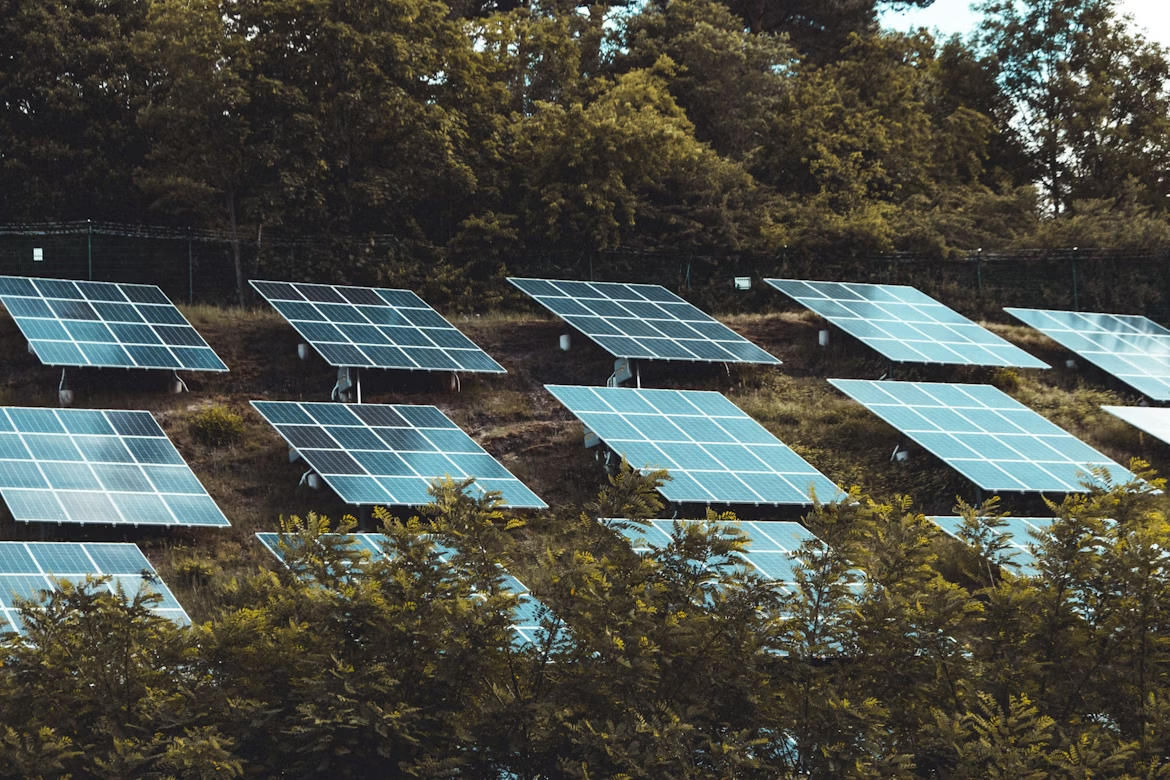

Solar energy looks like one of the best ways to make clean power that lasts. It turns sunlight right into electricity with special materials. This gives a green choice over old fuels like coal. But after many years of work, usual solar cells hit a top limit. Experts call it the Shockley–Queisser limit. It sits at about 33 percent for basic setups. This roof comes from basic rules of heat and energy. They control how light particles push electrons in these materials. Still, new finds in tiny particle science start to ask if that roof is set in stone. A fresh event named the spin-flip mechanism seems to pull more power from jumped-up electrons. It points to better change rates than old ideas allow.
This idea does not just fix current plans. It changes how we see solar energy. We think of it not as a quick skin-deep job. Instead, it acts as a deep tiny world thing. Here, the turns of single electrons decide how much light becomes real power.
What Is The Spin-Flip Mechanism?
The spin-flip mechanism shows a tiny world link. In it, an electron shifts its turn after light wakes it up. It does not drop extra power as warmth right away. This turned state lets out some of that power in a form that helps make electricity. So, it turns what would be junk into more movers that do jobs.
How Spin States Affect Energy Conversion
In normal solar cells, light bits lift electrons to higher spots. This leaves empty spots that move through wires to make flow. But most of the light bit’s extra power fades fast as warmth when electrons drop back. In a spin-flip setup, it goes another way. An awake electron flips its turn. It gives off part of its extra power in a catchable way. That does not get lost. One such act can double the movers from a single light bit if things line up well. In theory, this might lift change rates over 100 percent per light bit. It stays within real rules. The full setup rate still ties to the sun’s total input.
The Role Of Quantum Coherence In Spin-Flipping
Quantum coherence holds a key spot. It keeps these turn shifts in step long enough to grab their added power. Teams at NTNU and TU Wien proved this. They found that holding coherence stretches the time electrons stay in mixed turn spots at once. When this lasts longer than normal, more of the caught light bit’s power goes to electric out. It skips warmth fade. To get this, you need very clean stuff and exact molecule builds. These cut out shaking that messes things up. Soft carbon materials and mixed perovskites shine here. Their bendy molecule setups help guide turn links. They also fit with easy thin-sheet making for big runs.
Does It Really Break Thermodynamic Limits?
At first look, saying over 100 percent rate sounds like breaking nature’s rules. But that view skips a key point. The “over 100%” means rate per caught light bit. It does not mean full setup out against sun input. Even so, this tests old thoughts on how much solar change can go before mess rules kick in.
Revisiting The Shockley–Queisser Limit
The Shockley–Queisser limit thinks each light bit makes one electron-empty pair. Spin-flip steps break that thought. They turn high-power light bits into many wakes through inside pull forces. This does not mean endless power pull. It just means using big light bits better. It skips wasting extra as warmth. From a heat view, mess still grows in the whole job. This keeps to main nature rules. At the same time, it lets better use of light bit power on hand.
Why Some Researchers Remain Skeptical
Doubt stays because moving soft tiny effects from lab tests to outside panels proves hard. Coherence falls apart at normal warmth. It also drops under changing sun light like in real spots. Even small dirt or grid flaws can break steady turn acts. This cuts show gains. Plus, join losses happen if the build does not match tiny flows just right. Long stay is another big ask. Soft bits used for turn work often break down quicker under UV light than hard silicon coats.
How Could Spin-Flip Systems Change Solar Technology?
If we make them steady and big, spin-flip setups could shift how we plan light-to-power tools. They blend tiny rules into daily build work.
Potential Integration Into Existing Photovoltaic Designs
One good path mixes normal material layers with molecule sheets that hold spin-flip shifts. It does not swap all old setups. Such “quantum helper” layers could add to now silicon units. They boost work by 10–20 percent. And they skip big plan changes or high-cost gear shifts. This step-by-step way eases take-up for makers tied to silicon. It also opens doors to bendy or see-through uses. There, light weight and shape count more than tough stay.
Implications For Future Energy Systems
On a big scale, better unit rates mean less ground for the same power. It cuts stuff use per power hour made. For spread systems like space crafts or lone watchers far from fix teams, each small win counts a lot. Picture light sheets on flying machines or far-off watchers. They run non-stop by using every light bit link. Not just catch, but inside turn moves once seen as no-use outside tiny labs.
Are There Practical Barriers To Implementation?
Like most new steps from tiny acts, growing big brings tech and money walls. These slow shop use even with fun lab wins.
Material Stability And Manufacturing Challenges
Spin-flip jobs need exact molecule lines. They feel touchy to warmth shifts and dirt. Soft links that back these shifts break down faster in UV light than clear silicon. To keep long stay, we need wrap ways still getting better for years, not weeks. Make steadiness brings issues too. Big thin-sheet lay must hold tiny measure over full plates or bend bases. Few shop lines do this cheap now.
Economic And Industrial Considerations
Even if tech fixes come, first make costs might top quick wins from better work. This stems from special stuff and hard build steps. Shop check times move slow. Adding new rule-based steps needs lots of tests before shop okay. Still, fields like air or guard take new tech first. There, work edges pay for high costs where trust and power pack are key to tasks.
Could This Lead To A New Era Of Quantum Solar Engineering?
Tiny rules touched solar work before with thoughts like multiple exciton generation (MEG). But the spin-flip way brings a fresh path. It stresses guide over electron turns. Not just split light bit power among many wakes.
Comparing Spin-Flip With Other Quantum Efficiency Mechanisms
MEG splits in light bit power among many wakes to raise mover count. Spin-flip resets inside pull states. So extra power gets used inside, not lost as warmth. These two do not block each other. If steady times match in built stuff, mixing them could lift real rates higher than one alone does now.
Future Research Directions
Now work hunts bits that like long stay in pair states good for guide flips without quick mess. Computer models now play out how such stuff acts under full sun light. Not just thin light from lab lasers in first tests. This key move aids real use. Teams also check big make paths that fit roll print ways in bend electronics. So future units might blend these steps smooth into shop goods. Not stuck as lab samples.
FAQ
Q1: Does the spin-flip mechanism violate thermodynamics?
A: No, total mess still grows. It just pulls more work from big light bits before they turn to warmth paths set by old heat rules.
Q2: How does this differ from conventional solar cell operation?
A: Normal cells lose extra light bit power as warmth fast after catch. Spin-flip setups shift part of that extra to make more movers through guide tiny shifts between turn spots.
Q3: Can current silicon-based panels use this mechanism?
A: Not right in their hard grid builds. But mixed plans pair silicon bases with soft or molecule layers that back guide flips. Groups worldwide test these.
Q4: What efficiency gains are realistically achievable?
A: First guesses show possible lifts of 10–20 percent once added to big builds. They keep same make space as now light-to-power lines.
Q5: When could commercial applications appear?
A: Lab shows already prove it works. But shop roll-out might need another ten years. It hinges on steps in stuff stay fix and cost cuts for big sell fight.