

Current Impediments to Renewable Energy Projects
The financial and structural landscape surrounding renewable energy projects remains complex. Despite technological maturity and falling costs, barriers persist in financing, regulation, and market perception. The root cause lies in inconsistent policy frameworks, limited access to capital markets, and investor uncertainty driven by fluctuating energy prices. These factors collectively slow global energy transition efforts. Addressing them requires stable policy signals, innovative financial instruments, and more transparent risk assessment tools.
Financial Structures and Their Influence on Renewable Energy Development
The financial architecture of renewable energy projects shapes their scalability and long-term viability. Developers often face intricate capital arrangements that determine ownership structures, debt obligations, and risk exposure.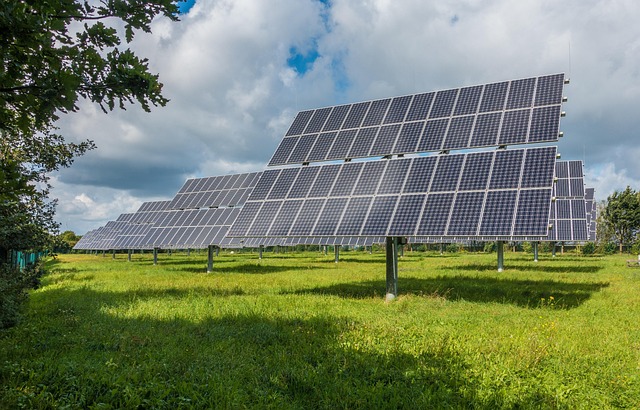
Understanding the Capital Intensity of Renewable Energy Projects
Renewable projects such as offshore wind farms or utility-scale solar parks demand significant upfront investment compared with fossil fuel plants. The heavy initial capital outlay is paired with long payback periods that stretch over decades, discouraging short-term investors seeking quicker returns. Many models underestimate the eventual operational savings from low fuel costs, leading to flawed feasibility assessments. The challenge lies in balancing high capital expenditure with predictable lifetime performance.
The Role of Project Finance in Renewable Energy Expansion
Project finance remains the dominant model for large-scale renewable development because it isolates project risks from sponsors’ balance sheets. Debt-to-equity ratios directly affect financing costs: higher leverage can amplify returns but also increase vulnerability to interest rate shifts. Limited recourse structures are particularly tough for small developers who lack sufficient collateral or track record to attract institutional lenders. This imbalance restricts market diversity and innovation.
Policy and Regulatory Barriers Affecting Financial Viability
Government policies play a decisive role in shaping investor confidence. Yet the inconsistency of these frameworks across jurisdictions often undermines long-term planning for renewable energy projects.
Inconsistent Policy Frameworks Across Jurisdictions
Subsidies, feed-in tariffs, and tax incentives have historically driven renewable adoption, but frequent policy reversals create instability. For example, abrupt reductions in solar incentives in some European countries led to project cancellations and stranded assets. Cross-border projects face additional hurdles due to differing grid codes and approval processes that delay commissioning timelines.
The Impact of Carbon Pricing Mechanisms on Investment Decisions
Carbon pricing is designed to internalize environmental costs but remains unevenly applied worldwide. Where carbon prices are too low or volatile, fossil fuels retain an artificial competitive edge over renewables. Market-based systems like emissions trading schemes vary widely in enforcement strength, making future returns difficult to forecast for investors evaluating green infrastructure portfolios.
Market Risks and Investor Perception Challenges
Beyond regulatory uncertainty, market dynamics introduce another layer of complexity for renewable developers seeking stable revenue streams.
Price Volatility in Energy Markets
Electricity markets fluctuate with demand patterns and fuel prices. For renewables selling into wholesale markets without fixed contracts, this volatility erodes revenue predictability—a key concern for institutional investors such as pension funds. Power Purchase Agreements (PPAs) provide a hedge against price swings but are not universally accessible, especially in deregulated markets where corporate buyers dominate negotiations.
Perceived Technological and Performance Risks
Despite proven reliability of modern turbines or photovoltaic systems, many financiers still perceive newer technologies as untested. Insurance coverage for performance guarantees remains limited or expensive, inflating financing costs further. A lack of standardized performance data across regions prevents accurate benchmarking of operational reliability—an issue that continues to distort risk premiums applied by lenders.
Financing Instruments and Access to Capital Markets
Traditional banking channels often fail to meet the unique needs of renewable developers. Emerging green finance tools offer alternatives but come with their own limitations.
Limitations of Traditional Financing Models
Conventional banks still view renewable assets as niche investments due to their long lifecycles and uncertain cash flows. Extensive due diligence requirements increase transaction costs disproportionately for small-scale initiatives like community solar projects. Moreover, credit rating agencies often undervalue the stability of renewables’ operating revenues compared with fossil-based assets.
Emerging Green Finance Mechanisms and Their Constraints
Green bonds have opened new funding pathways by attracting environmentally conscious investors; however, certification procedures can be costly and time-consuming. Sustainability-linked loans tie interest rates to measurable ESG targets but depend heavily on verifiable metrics—something early-stage developers struggle to provide.
Blended Finance and Public–Private Partnerships (PPPs)
Blended finance structures combine public concessional funding with private investment to reduce perceived risks. While effective on paper, they require intricate coordination among governments, multilateral banks, and private entities—often slowing execution timelines. PPP models differ widely across regions; inconsistent governance standards can deter foreign investors wary of policy shifts mid-project.
Currency, Inflation, and Interest Rate Sensitivities in Global Projects
Macroeconomic variables exert strong influence over project economics in cross-border contexts where revenues and debt obligations may be denominated differently.
Exchange Rate Exposure in Cross-border Investments
Currency mismatches between local revenue streams and foreign-denominated loans expose developers to exchange rate fluctuations that can wipe out profit margins overnight. Hedging tools exist but remain prohibitively expensive or unavailable in emerging economies—the very regions with vast untapped renewable potential.
Inflationary Pressures on Equipment Costs and Returns
Rising global prices for steel, copper, lithium, and other materials inflate construction budgets beyond initial forecasts. Inflation-indexed tariffs could theoretically stabilize revenues but are rarely embedded into long-term contracts due to regulatory rigidity or buyer resistance.
Institutional and Structural Barriers Within Financial Systems
The financial sector itself faces internal constraints that limit its ability to support large-scale decarbonization through renewables.
Limited Expertise Among Financial Institutions
Many commercial banks lack specialized teams capable of assessing technical risks specific to wind resource variability or battery degradation rates. Furthermore, standard loan tenors rarely align with the 20–25-year lifespan typical of renewable assets—creating a mismatch between financing horizons and project realities.
The Role of Multilateral Development Banks (MDBs) and International Support Mechanisms
MDBs such as the World Bank or Asian Development Bank play crucial roles by offering concessional loans at below-market rates. Yet bureaucratic procedures often delay disbursements by months or even years after approval. Joint ventures between MDBs and private investors frequently encounter governance disputes over risk allocation or profit-sharing terms that further slow deployment progress.
Strategies to Overcome Hidden Financial Barriers in Renewable Energy Projects
Overcoming entrenched financial obstacles requires systemic reforms combining transparency tools, consistent policy direction, and broader participation from digital finance platforms.
Enhancing Transparency Through Standardized Risk Assessment Tools
Uniform methodologies for evaluating project risks could help investors compare opportunities more objectively across geographies. Reliable datasets on capacity factors, default rates, or maintenance histories would narrow information gaps between lenders and developers while reducing perceived uncertainty premiums embedded into financing terms.
Strengthening Policy Certainty and Long-term Market Signals
Stable regulatory environments encourage steady inflows of private capital into renewables by lowering perceived political risk. Governments that commit publicly to multi-decade decarbonization targets send strong signals that sustain investor confidence even during short-term economic downturns.
Expanding Access to Innovative Financing Platforms
Digital investment platforms now allow smaller investors—including retail participants—to buy fractional stakes in solar farms or wind portfolios through tokenized assets recorded on secure ledgers. Such mechanisms improve liquidity while maintaining compliance under evolving securities laws—a promising shift toward democratized green finance participation worldwide.
FAQ
Q1: Why do renewable energy projects require more upfront capital than fossil fuel plants?
A: They rely heavily on equipment like turbines or panels rather than ongoing fuel purchases; thus most costs occur before operation begins.
Q2: How does policy inconsistency affect investor decisions?
A: Frequent changes in subsidies or tax credits make revenue forecasts unreliable, discouraging long-term commitments from institutional funds.
Q3: What makes carbon pricing so critical for renewables?
A: It levels competition by assigning real economic value to emissions reduction; weak pricing keeps fossil fuels artificially cheaper.
Q4: Why are PPAs vital for financing?
A: They guarantee fixed revenue streams over many years, allowing lenders to model predictable cash flows essential for credit approval.
Q5: Can digital platforms truly expand access to renewable investment?
A: Yes; tokenization lowers entry thresholds for individuals while improving liquidity—though regulation still lags behind technology adoption globally.