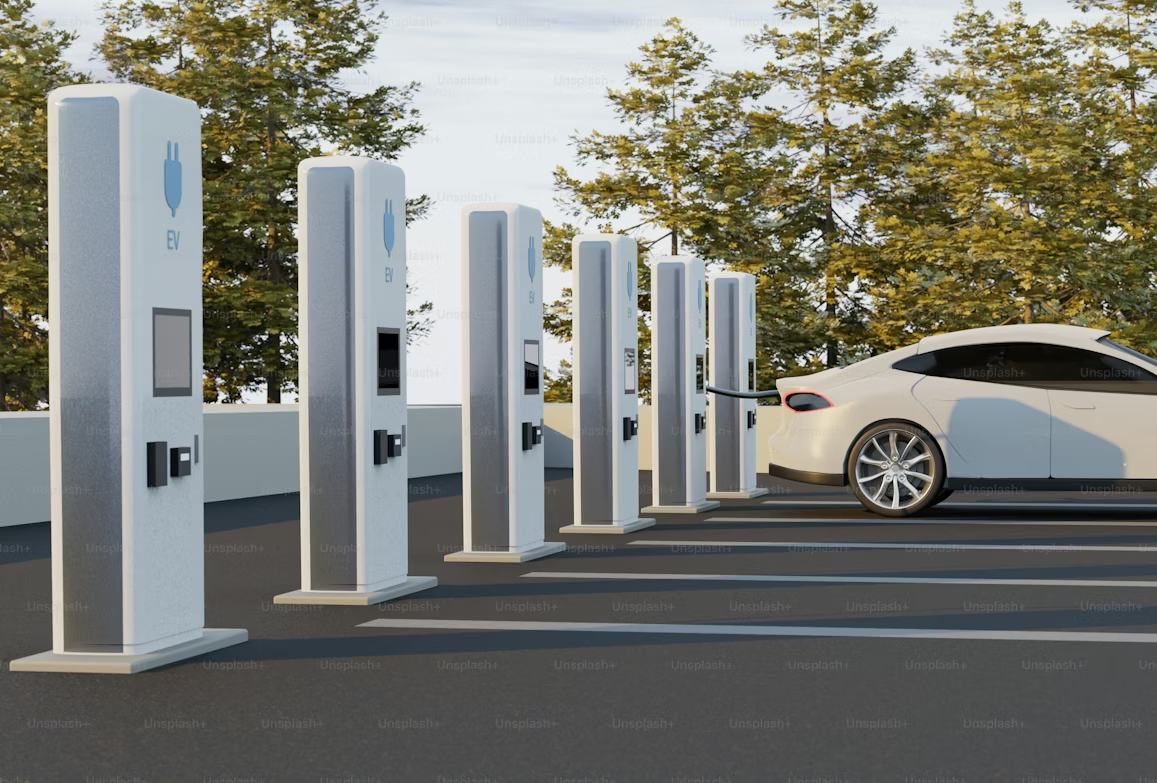

Electric vehicles started as uncommon trial versions. Over time, they became everyday options for moving from place to place. These machines help define what travel will look like tomorrow. They blend clever electrical controls, setups that capture power during stops, and large energy holders. Together, they provide solid fuel savings along with tiny amounts of waste gases. Changes have happened at a quick pace. However, the power sources remain the main element deciding their overall success. Now comes the major advance with solid-state batteries. Such batteries seek to reshape electric vehicles entirely. The shift targets issues related to power holding, protection from harm, and lasting strength over uses. Fresh discoveries arrive at a faster rate these days. Trial assembly operations begin in various spots across the globe. Therefore, it pays to look closely at whether the sector stands prepared for this major move.
The Current Landscape of Electric Vehicle Battery Technology
The area of electric vehicles expanded greatly during the previous decade. This rise stems from government supports and fresh thoughts in engineering. On the other hand, the lithium-ion power units within them carry simple boundaries. Such boundaries hold back broad acceptance.
Limitations of Conventional Lithium-Ion Batteries
The lithium-ion units arrived at a stage where power per volume hardly increases anymore. Their modest holding room reduces the distance a machine can cover. It further impacts quickness. Producers must create larger groups of them. This results in extra heaviness. Dealing with warmth continues as a major hurdle. Excess warmth might spark a danger of fire. Experts call this thermal runaway. It troubles buyers of vehicles. It likewise bothers managers of groups of cars. Besides, sourcing items such as cobalt and nickel relies on distant regions. That creates dangers from global happenings and shifting costs. Thus, expanding production proves challenging.
Incremental Improvements and Their Impact on EV Development
Fresh efforts on positive electrode stuffs aid progress. Take nickel-rich NMC kinds, for instance. They endure more repeated charges. They raise power per volume slightly. Setups for rapid filling now reach 80% in twenty minutes on certain models. Yet, this quickness causes faster breakdown of the units. Actions for reusing gain speed. Vehicle producers desire to reclaim helpful metals. Their goal is to lessen damage to nature. Businesses test looped setups. Within them, worn units flow straight into creating fresh ones. These steps build a bridge to better futures. They address old weaknesses step by step. In turn, electric vehicles become more appealing to everyday users. Makers refine designs based on real feedback. This cycle pushes the whole field forward. Small gains add up over time. They pave the way for bigger leaps ahead.
Understanding Solid-State Battery Fundamentals
Solid-state batteries introduce a complete fresh approach. They go beyond minor tweaks. They exchange dangerous fluid components for firm ones that shift charged bits. This arrangement brings improved guards against risks. It delivers firmer outcomes in vital measures.
Core Principles of Solid-State Electrochemistry
Within this kind of unit, charged bits pass via a firm route. They avoid fluid movers. Thus, the arrangement manages greater force amounts. It keeps more power within equal areas. Moreover, it lessens spiky bits. Those spiky bits lead to electrical breaks in prior units. Lacking fluids prone to flames, warmth remains managed. Designers can thus form compact pieces. They avoid large chill systems. The core idea rests on solid paths for movement. This differs from wet paths in older tech. Solids provide steady flow without leaks. They endure rough conditions better. Over cycles, they hold shape well. Such basics open doors to safer rides. Vehicles gain from reliable power sources. Drivers enjoy peace of mind on long paths. The shift from liquid to solid marks a key turn. It promises a brighter path for all electric travel.
Ceramic Electrolytes
Ceramic sorts, including garnet oxides, shift charged bits effectively. They perform nearly as well as fluids. They possess robust structure too. However, they meet troubles at connection spots. Varying expansion speeds might form small splits. Alternatively, surfaces may separate following numerous runs.
Sulfide-Based Electrolytes
Sulfide stuffs shift charged bits swiftly under standard indoor temperatures. Their flexible quality aids in bonding surfaces amid assembly. Still, they respond poorly to moisture from the atmosphere. Hence, sealing methods develop currently. These prevent damage during open-air production. Sulfides offer high flow rates. They suit room conditions fine. Softness eases layer contact. Yet, air sensitivity demands care. New covers protect during handling. This balances strengths and weaknesses. Overall, they push solid tech closer to real use. Researchers tweak formulas daily. Goals focus on better stability. In time, these will shine in vehicles everywhere.
Recent Breakthroughs Accelerating Solid-State Battery Adoption
The drive to market these power units quickens. Novel building methods assist. Furthermore, groups of vehicle builders and startup firms cooperate.
Advances in Manufacturing Techniques
Approaches for placing slim surfaces create uniform coverings now. Such surfaces measure only micrometers across. This reduces opposition within. It aids better flow of charge. Techniques for warming and forming thick pieces apply lower warmth today. That conserves energy during creation. Crucial note: certain businesses prove these elements match prior lithium-ion paths. Hence, changeover expenses fall sharply. Thin films cut resistance low. Even layers boost efficiency. Lower heat saves resources. Compatibility eases shifts. Factories adapt with less hassle. Output rises steadily. Costs drop over phases. These gains speed market entry. Makers prepare for volume runs. The field moves from labs to roads faster.
Industry Collaborations and Pilot Production Lines
Moving from tiny trials to actual creation demands efforts from various sides. Vehicle firms link with fresh battery groups. They construct trial areas jointly. Those areas test production in everyday settings. Initial paths monitor solid yields. They find errors via machine scan devices. Groups across areas create guidelines for exams. Those guidelines include endurance periods and guard verifications. Partnerships share knowledge. Risks spread out. Test lines build confidence. Standards ensure quality. This teamwork shortens timelines. Innovation flows quicker. The ecosystem strengthens bonds. Future products benefit all. Electric travel advances as one.
Technical Challenges Hindering Commercial Viability
Steps forward exist. Yet, tough engineering hurdles persist in blocking complete rollout.
Interface Stability Between Electrodes and Electrolyte Layers
Components fail to blend smoothly at borders often. Substances conflict. This creates growing barriers during charge periods. Further, dimension changes amid lithium intake generate tension. That might separate surfaces or form fissures. Therefore, consistent output fades with passing time. Borders need better bonds. Conflicts arise from mismatches. Barriers slow ion flow. Tension leads to breaks. Output suffers long-term. Fixes demand careful design. Researchers probe solutions daily. Stability remains a focus point. Overcoming this unlocks potential. Vehicles then gain reliable power. The path requires patience. Yet, progress inches near.
Manufacturing Scalability and Cost Constraints
These units require spotless materials. Any speck might clog charged bit routes. Such purity raises expense of starting goods. It exceeds costs of earlier kinds. Moreover, joining surfaces under fixed squeeze demands more time. That hampers pace in vast workshops. Cleanliness drives up bills. Purity ensures smooth paths. Assembly slows output. Factories face bottlenecks. Scaling needs innovations. Costs must align with markets. Balance purity and speed. New tools aid this. In the end, viability grows. Affordable units reach buyers. The shift becomes real.
Performance Implications for Electric Vehicles
For machines powered by electricity, solid-state units hold power to alter much. Should producers scale them up, benefits grow large.
Energy Density and Range Enhancement Potential
The structure holds double the power in matching volumes to current lithium-ion. Thus, compact clusters provide extended journeys. High-end machines could cover beyond 600 miles per fill. Weight remains light. Room for the cluster stays the same. Superior warmth handling reduces call for weighty chillers. This frees area for riders or items within. Double density means longer hauls. Small sizes ease design. Light weight improves ride. Less cooling saves space. Passengers gain comfort. Cargo fits better. Overall, vehicles become practical. Daily drives extend far. Owners save time on stops. The potential excites makers. Roads welcome efficient travel.
Charging Efficiency and Lifecycle Durability
Swift routes for charged bits allow fills to occur rapidly. Warmth remains minimal. This delays breakdown unlike fluid sorts. Spiky bits form little. Thus, the structure endures thousands of runs. It performs in hard places such as speedy highway paths or hauling weights. Quick fills cut wait times. Low heat preserves life. No spikes mean safety. Endurance suits heavy use. Highways pose no fear. Loads handle fine. Durability builds trust. Users rely on steady power. Cycles repeat without fail. This setup wins over old ways. Electric life gets smoother.
Market Readiness and Strategic Positioning of Automakers
Vehicle producers rush to lead. Numerous view this as the coming major shift in electric movement engineering.
Timelines for Commercial Deployment
Estimates indicate trial versions in limited batches may enter sales in two to three years. This occurs as trial sites evolve into partial real operations. Nevertheless, total large rollout hinges on uniform materials across lots. Expenses per power measure need to undercut lithium-ion levels today. Trials build data. Sites scale slowly. Uniformity ensures trust. Costs drive adoption. Timelines flex with tech. Makers watch closely. Markets await proof. Deployment nears step by step.
Established Automakers’ Approaches
Traditional vehicle companies such as Toyota, Volkswagen, and BMW invest huge sums. They partner with specialists in batteries. Such links secure claims to concepts soon. They divide creation dangers among allies. Billions fuel joint projects. Partnerships leverage strengths. Early claims protect edges. Risks balance out. Strategies position strong. Leaders stay ahead. The race heats up.
Emerging Startups’ Contributions
Fresh tiny firms like QuantumScape or Solid Power target unique niches. Consider quick sport machines or slim urban transporters. In those spots, expense weighs less. However, showing engineering reliability matters most. After that, they expand to wider efforts. Niches test limits. Validation builds case. Growth follows success. Startups innovate bold. Contributions spark change. The field diversifies. Future holds variety.
The Broader Impact on the EV Supply Chain and Sustainability Goals
Switching to solid-state influences networks around the world. Starting from extraction sites to reuse methods. It molds eco-friendly targets in diverse sectors.
Raw Material Demand Shifts
Firm components fully bypass fluid flame dangers. Thus, requirements for lithium blends alter greatly. Reliance on cobalt for positive electrodes could lessen. Novel blends suit firm connections more. Shifts ease shortages. New sources emerge. Cobalt fades back. Blends optimize fit. Supply steadies out. Chains adapt quick. Global flows change. Sustainability gains ground.
Environmental Benefits of Solid-State Adoption
The straightforward structure simplifies recovery. Fewer blended items require sorting in teardown. This lowers trash amounts. It matches the notion of cycling goods repeatedly. Large vehicle producers embrace this increasingly. Simplicity aids reuse. Sorting eases tasks. Trash drops low. Loops close tight. Makers lead green shifts. Benefits touch earth wide. Adoption builds better world.
Alignment with Global Decarbonization Targets
Improved power units hasten electric machine uptake. Extended journey versions turn affordable and handy for purchasers. Movement accounts for roughly a quarter of planetary CO₂ presently. Thus, these engineering aids greatly. They line up with vows from bodies like the Paris Agreement to reach zero carbon. Uptake speeds green goals. Affordability draws crowds. CO₂ falls steady. Vows gain strength. Targets near reality. Global efforts unite. Decarbonization advances sure.
FAQ
Q1: What makes solid-state batteries safer than traditional lithium-ion ones?
A: They get rid of flammable liquid electrolytes that cause most thermal runaway incidents in conventional designs.
Q2: How soon will consumers see cars powered by solid-state batteries?
A: Early models could appear around mid-decade through limited runs before scaling toward mass-market offerings later this decade.
Q3: Do solid-state batteries use less cobalt?
A: Yes—they often employ alternative cathode compositions requiring little or no cobalt compared with standard NMC materials.
Q4: Will existing charging stations support these new batteries?
A: Most will remain compatible since voltage levels align closely; however ultra-fast chargers may be optimized further for next-gen packs.
Q5: Are solid-state batteries recyclable?
A: Their simpler structure makes recycling easier because fewer mixed materials need separation during recovery processes.