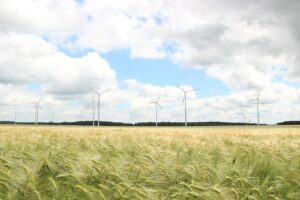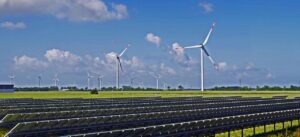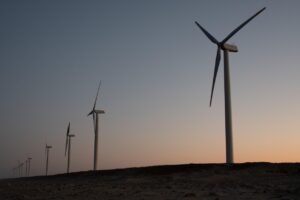
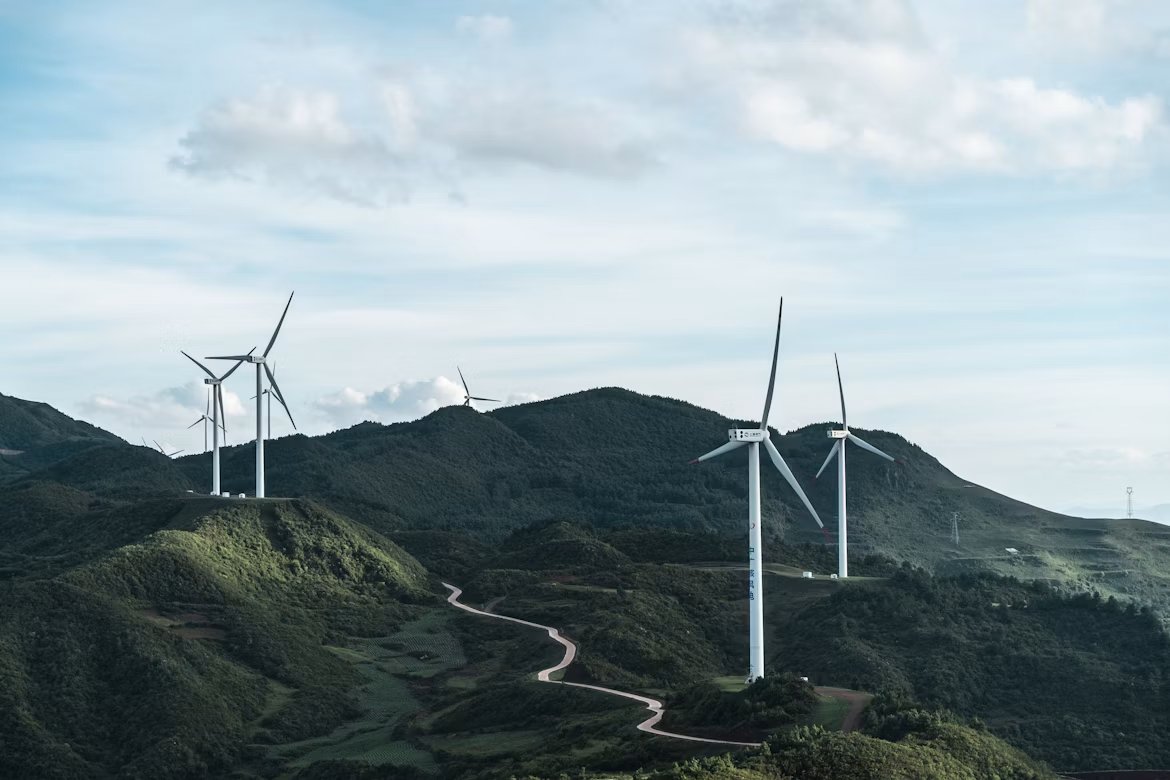

The look of the land on the Tibetan Plateau is changing fast today. The lives of the people who live there are also changing. This is all happening because big wind mills are going up everywhere. This growth brings a lot of hope for making money. But it also causes some fights among neighbors. The old way of life with animals is hitting the new way of life with big building projects. The land is very high and flat. This makes it a great place to catch the wind and turn it into electricity. But the fast build-up tests the local leaders. It also tests the old culture and the weak dirt on the ground. The final answer sits right in the middle between a good change and a big split. The state pushes for new tools. Yet some people get more rewards than others, and they argue over who owns the dirt.
The Expansion of Wind Energy Across the Tibetan Plateau
Geographic and Climatic Suitability for Wind Power Development
The Tibetan Plateau sits very high up in the sky. It is more than 4,000 meters above the sea. This extreme height means the wind blows very hard and it does not stop easily. These steady winds work great for making clean electricity all through the year. The winds do change when the seasons change. Companies like to build the big towers in spots that catch the most wind during the cold winter months. The cold air is very heavy then, and that heavy air helps push the giant blades around and around.
Summer brings a different kind of weather, and the air flows are much weaker. Also, this high land is very far away from big cities where people use the light. Moving giant metal parts over rough, rocky roads costs a lot of extra money. It also makes it hard to fix things when the machines break down. Winters are super cold up there. Ice can freeze up the machines and stop them from turning. When bad storms hit, the workers have to stay away from the sites for many days in a row. Even with these tough problems, builders still look at this high land as a top spot for clean power in Asia. The open land goes on for miles and miles, and very few people live out there in the wilds.
Government Policies Driving Renewable Energy Projects
The main government in China has set some very big goals for clean power. These targets push large wind projects into the far western areas of the country. National plans like the West-to-East Power Transmission move this electricity from the high hills down to the busy cities by the ocean. Local leaders help out by giving tax cuts to the power companies. They also spend money to build new roads so the trucks can get through.
But the rules still say that workers must check on nature before any digging starts. The leaders in Beijing want to see growth, but they want it to stay green. The high plateau has very weak soil and tiny plants that grow slowly. People must be careful. They have to balance the need for new electricity with the need to protect the old land.
Economic Implications for Local Communities
Employment and Income Opportunities from Wind Projects
Wind power projects bring both short-term jobs and long-term work to these far-away places. When the project starts, local people can get jobs building roads or putting the giant wind mills together. These workers learn new skills that can help them get other jobs later on. The new roads and wires do a lot of good things for the area. They connect tiny, hidden villages to the bigger towns where people sell things.
Some counties have set up plans to share the money that the wind mills make. A part of the profit goes to pay for local schools or small health clinics. But these setups are not the same everywhere you go. The villages that sit right next to the big wind towers get a lot of help, but the people who live far out on the edges do not see much of the money at all.
Shifts in Traditional Livelihoods and Resource Use
The people who look after yaks on the open grass are facing new limits now. They used to move their animals wherever they wanted. Now, they find big fences around the wind mills to keep things safe. This means there is less grass for the animals to eat. Some families have to sell some of their yaks because of this. Others have to change the paths they walk every season.
A few households are finding ways to fit into the new system. They rent their land to the power firms or take jobs fixing the fences and cleaning the sites. This helps them mix their old way of life with a new way to make money. But people still get angry when the money they get does not feel like enough to make up for the loss of their grazing rights or the loss of their old family land.
Social Dynamics and Community Perceptions of Wind Energy
Divergent Views on Development Benefits
Young people on the plateau often see the wind farms as a great sign of the future. To them, the big towers mean steady paychecks, better roads to drive on, and good internet for their phones. But the old people see things in a very different way. For the elders, the giant wind mills look like bad marks on sacred hills that used to be quiet. They do not like the loud noise of the turning blades or the bright lights that flash all through the night.
The herders who move with the animals worry about losing their old walking paths. At the same time, the people who live in the main towns are happy because their lights do not go out anymore. These different ideas show a big split between the young and the old. It shows people do not agree on what real growth should look like in a place that has always loved open space more than big buildings.
Negotiation of Land Rights and Decision-Making Processes
Regular people do not get to say much when the plans are being made, even though the official rules say they should be asked. Fights over money start because the land forms are worth more than just cash to the people who live there. A simple cash payment cannot buy back the deep cultural history of a hill or the long-term cost to the green grass.
In a few areas, leaders are trying out some new ideas. They let village groups look at the project sheets before the final paper is signed. This is an early step toward a system where local neighbors get a real seat at the table when big power choices are made.
Environmental Considerations of Wind Farm Expansion
Impacts on Ecosystems and Wildlife Habitats
Wind towers do not make dirty smoke like coal plants do, but their big bodies still change the delicate nature on the plateau. People call this high place Asia’s Third Pole because it holds so much ice and clean water. Building the big towers can mess up the paths that wild animals use to travel. Birds like the black-necked cranes and animals like the Tibetan antelopes need wide, open spaces to move without fear.
The loud hum from the spinning blades can scare the wild animals away. Studies show that animals start to avoid the spaces near the dense clusters of wind mills. Now, some builders are working with nature scientists to place the towers in better spots. They try to put the wind mills along the roads that are already there instead of cutting new paths into the clean grass.
Balancing Renewable Energy Growth with Ecological Preservation
Today, environmental checks are a normal part of most big wind projects. Workers try to find the spots where rare plants and animals live before the heavy trucks roll in. Once the wind mills are up and running, dirt fixers start their work. They plant native grass seeds to stop the loose soil from sliding down the steep hills after the heavy machines leave.
Scientists are also teaming up with local herders and the power firms to try new ways of watching the land. They want to make sure the wind power grows without destroying the wild spaces. This shared way of looking after the earth is starting to get a lot of attention outside of Tibet because it shows that people can work together to protect a rare place.
Cultural Identity and the Transformation of Place
The Intersection of Modern Infrastructure with Sacred Landscapes
When giant steel towers go up near old, holy peaks like Mount Kailash, it makes the local villagers feel very uneasy. They see these machines as bad things that do not belong in a holy space. The whole look of the sky is turning into something new. For hundreds of years, the only things moving in the cold mountain wind were the colorful prayer flags. Now, tall steel towers break up the clean view of the sky.
But some communities are finding ways to adapt their old habits to these new things. They hold traditional blessing meetings for the wind mills. They treat the giant machines like new guests in their spiritual world. This shows how strong the local people are, even when their home changes completely around them.
The Role of Cultural Heritage in Renewable Energy Planning
Putting cultural maps into the early project designs can help engineers find old heritage sites before they start digging up the dirt. When engineers, history scientists, and local monks sit down to talk, it cuts down the risk of big fights later on.
It is important to respect the hidden values of the land, not just the old bones or pots buried in the ground. When a project respects the history of a place, the local people are much more likely to accept the clean energy. It helps keep the old culture alive even as the physical world changes into an industrial zone.
Future Pathways for Equitable Energy Transition on the Plateau
Integrating Local Knowledge into Renewable Development Strategies
The local people have lived on this cold land for hundreds of years. They know a lot about the shifts in the weather and the paths of the wind. This deep knowledge can help engineers figure out the absolute best spots to put the wind mills so they catch the most air.
Using shared tracking systems where village groups help watch the noise levels or check on the wild animals builds a lot of trust between the power companies and the neighbors. It also helps to have open computer sheets where everyone can see the true nature data. This is much better than making the villagers wait for an official paper from a distant government office.
Building Inclusive Frameworks for Sustainable Growth
New rules that focus on fair play will help regular people trust these big projects. Working together across different groups is the best way forward. Universities that study high hills need to talk to the companies that build the new wind mills. This keeps the growth balanced so that nobody forgets about the real people who live on the land.
The true success of wind power on the plateau will not be measured just by how many megawatts of electricity the lines can carry. The real test is whether this clean power can keep the local families happy and healthy while keeping the wild earth safe on one of the most delicate places on our planet.
Frequently Asked Questions
Q1: Why is the Tibetan Plateau suitable for wind energy?
The land is incredibly high up in the sky. This special height creates strong, steady winds that blow all through the year. These winds are perfect for turning the big blades and making electricity, even when the winter weather gets very tough.
Q2: How do wind farms affect traditional herding practices?
The big tower zones take away some of the open grass where the yaks eat. This forces some herders to keep fewer animals or change the paths they walk every season. But some local people do get new jobs with the power companies to make extra money.
Q3: What environmental risks accompany wind development?
The big machines can split up the wild spaces where animals live. They can mess up the travel paths of wild birds and antelopes. The heavy trucks can also hurt the weak soil during the build, and the spinning blades make a lot of local noise.
Q4: Are local communities involved in planning decisions?
It is different depending on where you go. A few places are testing new ways to ask the villagers for their thoughts before the work starts. But in many areas, there is still a big gap, and regular people do not get to say much about the plans.
Q5: How can cultural values be preserved amid renewable expansion?
Using cultural maps early in the project helps engineers see where the holy sites sit. When the builders talk with village monks and local leaders, they can design the wind farms to respect the old history while still making clean power for the country.