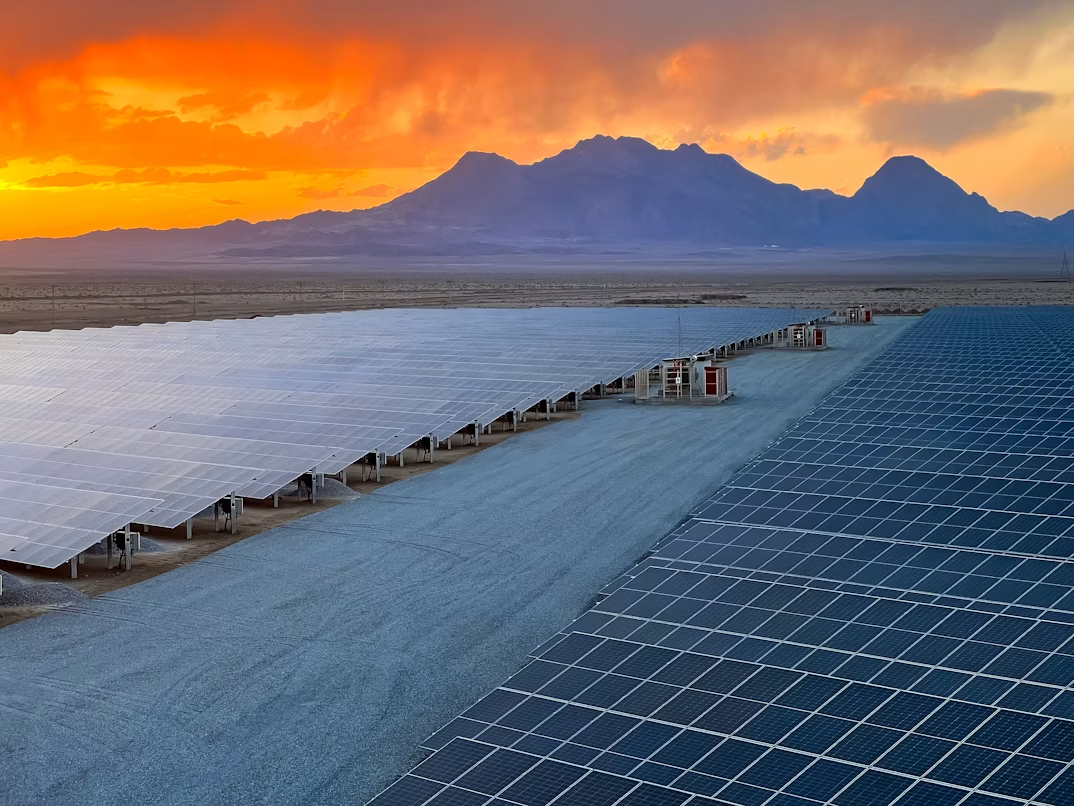

The growth of solar energy projects across country fields and small towns is changing local economies in a big way. Real stories from many different places show a clear truth. These solar farms do more than just give people new ways to make money. They also help keep town budgets safe and steady through long-term contracts and steady tax pay.
People still argue about how to use the land. They talk a lot about how the big panels look to the eye. But the actual money facts show that smart solar plans can bring strong safety to a town. They can also make things more fair for everyone. The big question now is not if solar power helps out a community. The real puzzle is how to match those money gains with what neighbors expect and what the earth needs.
The Economic Potential of Solar Energy in Local Communities
Assessing the Financial Impact of Solar Farms on Regional Economies
Money from solar energy fields does a lot more than just make clean power. For a lot of small towns, it means a whole new start for growth. This is especially true for places that used to depend on old factories or farming. Solar farms act like a strong spark to create new jobs right away.
When workers are building the site, they need a lot of hands. They hire local electricians, builders, and everyday laborers to get the job done. A 50-megawatt solar project can easily bring in hundreds of quick jobs during the setup phase. After the building is done, it still keeps a few steady, permanent workers there to mind the gear.
Also, other side businesses get a nice boost. Local tool sellers and truck drivers find themselves with plenty of new work. The tax cash from these projects goes straight into the town pockets. Counties often take this new money and spend it on fixing bumpy roads. They also use it to make schools better or bring fast internet to homes that never had it.
In towns where property taxes are the main way to pay for things, having this steady solar cash is a huge help. It takes away the fear of running out of funds. Landowners who rent out their dirt for solar panels get a dependable check every month. These contracts can last for decades. This steady flow of cash works like a safety cushion. It protects families when crop prices drop or when a long dry spell kills the plants. In real life, these leases have saved many old family farms. Without this help, those families might have lost their land completely.
Evaluating Long-Term Economic Sustainability
When we look past the quick cash, we see that renewable energy projects give a town a whole new layout. It helps them stop relying on just one old business. Towns that used to sink or swim based on one thing, like coal mining or corn farming, find a new kind of safety. They get this by making power right in their own backyard.
Having steady power prices also brings in small factories and data centers. These companies love places where they can guess their power bills ahead of time. Local ownership models make these good results even stronger. Sometimes, local groups or town power companies own a piece of the solar tools. When that happens, the profits stay right in the neighborhood. The money does not fly away to rich investors in a faraway city. Keeping the cash local helps families build wealth that they can pass down to their kids. It also gives the town money to spend on other important needs like cheap homes or better schools.
Social and Environmental Considerations in Solar Farm Development
Balancing Community Interests with Environmental Goals
Money gains alone cannot make everyone love a giant solar project. People will only support it if developers protect the local nature and respect the town’s history. Neighbors often have a lot of mixed feelings when they see giant fields covered in dark photovoltaic panels.
Some people are very happy to see the town help the planet. At the same time, others worry that the beautiful views will be ruined. They also fear that wild animals will lose their homes. Picking the right spot to build can solve these arguments before they start. Developers should look for poor, damaged ground or old industrial lots. They should stay away from the absolute best farming soil.
Smart planning now includes building green paths through the solar sites. These paths let bees, butterflies, and small animals move safely between the rows of panels. It is also very important for developers to talk openly with the people who live nearby. Holding public meetings to share real data about glare reduction or noise levels can do wonders. It helps clear up wrong ideas and calms people’s fears.
Managing Land Use Conflicts and Public Concerns
Town zoning laws decide exactly where people can build solar farms. These rules try to protect green farms while still meeting clean energy goals. Neighbors often worry that their homes will lose value if they sit near a solar field. But real studies show that this does not happen in the long run. The trick is to use thick rows of trees and bushes as green buffers to hide the panels from view.
Town meetings and open houses help residents feel like they have a say in the final layout. When developers explain how the local grid takes in the power, it helps a lot. Showing that they plan to hire local workers also cuts down on complaints. Most arguments come from a place of not knowing the facts, so sharing clear information is key.
Policy Frameworks Supporting Local Solar Initiatives
The Role of Government Incentives in Driving Adoption
Government rules and help set the speed for clean energy growth in small towns. Special rewards give investors the confidence to spend their money. Clear laws also make it easy to run the sites day to day.
Cash helps, like government subsidies, tax credits, and special grants. They make it much cheaper for both private builders and towns to try clean energy. National tools like the Investment Tax Credit (ITC) have been a massive help. This specific credit has helped grow solar power across the country since it started back in 2006.
Other setups, like feed-in tariffs or net metering laws, let regular people sell extra power back to the main lines. They get a good price for this electricity. This makes the whole project more profitable as the years go by. Having clear, fast rules for getting building permits also cuts down on long waits. This is a small detail that people often forget, but it is super important for winning the trust of investors.
Integrating Solar Development into Regional Planning Strategies
When clean energy goals match up with the town’s big economic development plans, the community gets much more value out of every step. Putting solar fields close to existing power substations is a smart move. It stops power loss during the trip through the wires. It also keeps open spaces clear and useful.
When town leaders, power companies, and private builders work as a team, everything runs smoother. They can coordinate better on upgrading the old power lines. They can also set up good job training programs for local workers. These team efforts turn lone solar fields into useful parts of a larger regional asset. This builds a foundation that lasts for a very long time.
Technological Advancements Enhancing Solar Energy Integration
Innovations Improving Efficiency and Cost Competitiveness
New inventions keep pushing what solar tools can do for a town’s budget and power grid. Changes in photovoltaic materials have brought us bifacial panels. These special pieces can catch light on both their front and back sides. This boosts the total power output per acre. The best part is that it does not take up any extra land.
At the same time, the price of solar modules has dropped a lot over the past ten years. These lower costs make large utility-scale projects just as cheap as burning coal or gas. New ways to save energy, like lithium-ion batteries or new sodium-based systems, help out too. They allow the system to deliver steady power all through the night, even when the sun stops shining. Smart automation tools can now watch the panels from far away. They use predictive analytics to spot a problem before a part breaks down. This cuts down on repair bills because workers can fix things early instead of waiting for a total shutdown.
Grid Modernization to Support Distributed Energy Systems
A modern smart grid can make quick changes to balance power supply and demand across the whole town. Small microgrid setups can even give a village the power to run on its own if a big storm knocks down the main lines. But these local networks can still stay hooked up to the national grid when things are running normally.
New digital tools can find a broken wire in a split second. This is a massive leap forward from ten years ago when workers had to walk the fields to find a fault by hand. Together, these new tools make the whole power system much safer. It protects the town from wild price swings and bad weather disruptions.
Community Participation in the Transition to Solar Economies
Empowering Residents Through Ownership Models and Partnerships
A big economic shift only works well if local people take part in the action. They should not just stand by and watch a project move into their neighborhood. Cooperative ownership plans let everyday families buy small shares in a local solar field. This is perfect for people who live in apartments or have shady roofs where panels will not work.
The money made from selling this electricity goes right back into the pockets of local families. It does not disappear into the bank accounts of massive corporations. Public-private partnerships help spread the money risks around. They also bring great social rewards to the area. These rewards can include excellent job training programs or college scholarship funds for young people who want to work in clean energy.
Local technical colleges can build special classes around these needs. They train young workers to handle installation jobs, electrical engineering tasks, and system diagnostics. These specific fields are set for steady growth all the way through the year 2035, according to new industry reports.
Building Consensus for Sustainable Economic Transformation
Open planning meetings give everyone a chance to speak. It brings in old farmers who care deeply about the health of the soil. It also brings in young professionals who want to fight climate change. Together, these different groups can shape the town rules as a team. This kind of deep engagement builds a bond of trust. This trust lasts much longer than short election cycles or quick changes in company bosses.
When neighbors share a clear vision that links care for the earth with real money opportunities, the town wins. They get a deep, true resilience. This is much better than a quick splash of cash that comes from outside investors and disappears just as fast.
Frequently Asked Questions
Q1: How do solar farms affect local employment?
They bring a lot of quick jobs when workers are setting up and building the fields. They also create a few steady, permanent roles for people to look after the gear. On top of that, they bring more business to local truck drivers and tool sellers.
Q2: Do property values decrease near solar farms?
Real world studies show that home prices do not drop in the long run if the builders use smart designs. Putting up rows of green trees and bushes to hide the panels works great. Most neighbors get used to the new view very quickly once the work is finished.
Q3: What role do governments play in promoting local solar adoption?
Governments help out by giving tax breaks, cash grants, and clear rules that people can follow. They also set up net metering laws. These laws allow towns and private builders to sell their extra power back to the grid for a good price.
Q4: How can communities retain more value from solar projects?
Towns can use cooperative ownership plans so that the project profits stay with local families. They can also set up public-private partnerships. These teams can take the earnings and spend them on fixing schools or building better town roads.
Q5: Are there environmental downsides to large-scale solar development?
If someone builds a solar farm in a bad spot, it can hurt the local wildlife. But modern designs fix this problem easily. Builders leave open green paths for small animals and plant friendly wild bushes to help bees and birds thrive among the panels.