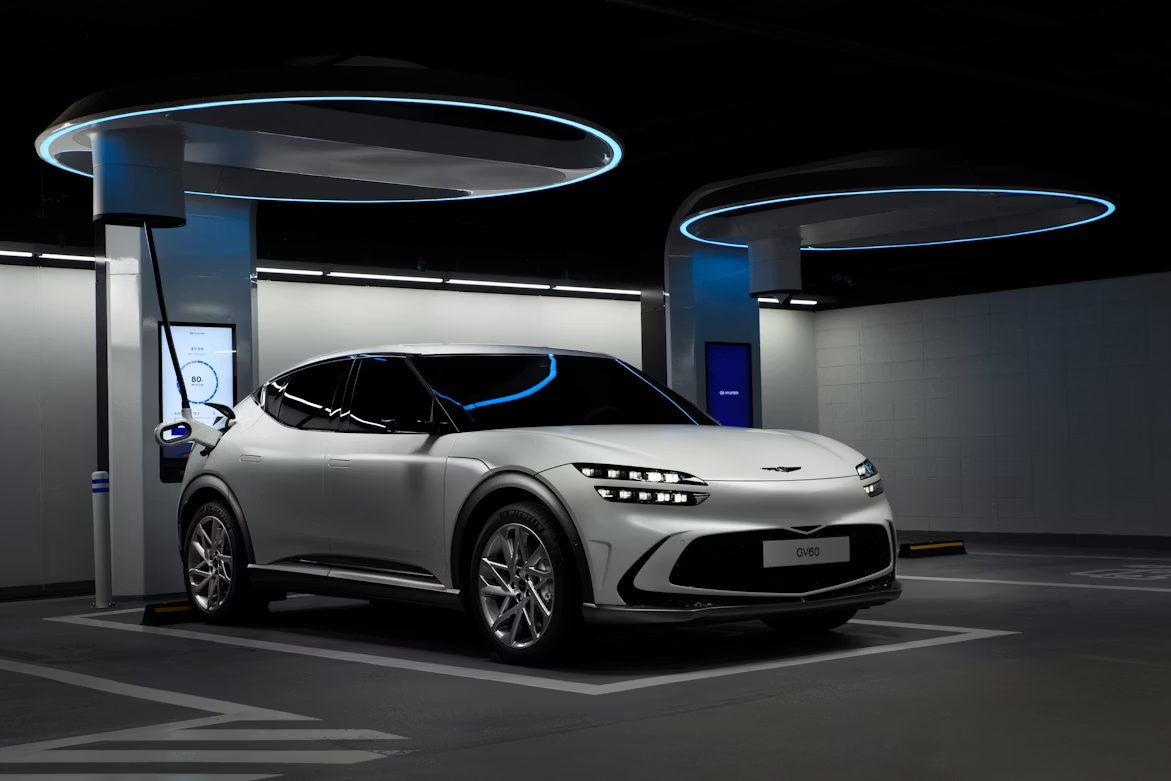

Electric vehicles (EVs) have shifted from a small special area of new ideas to a common way of travel. They are changing plans for car making around the world. These vehicles use electric motors that run on batteries you can recharge. They do not need engines that burn fuel. As a result, they produce fewer harmful gases and make less noise. In the last few years, the market for EVs has turned into a place where companies fight for the top spot in new tech and green ways. Chinese car makers are now spreading out past their own country. Canada has become one of the latest places they want to reach. The nation’s strong push to cut down on carbon, its rich supply of natural resources, and a rising number of buyers who want cheap EVs all make it a good spot. If you watch the industry or help make rules, the coming of Chinese EVs to Canada shows both chances to grow and changes that shake things up. It tests how free markets can work side by side with plans to protect local industry.
The Emergence of Chinese Electric Vehicles in Canada
The move of Chinese car makers into Canada points to a fresh stage in the way the EV world is rearranging itself. These companies once put most of their effort into leading at home. Now, firms like BYD, NIO, and XPeng aim at buyers in North America. They offer good prices and smart tech. This growth shows not just the goals of the companies. It also reflects bigger changes in rules for trade and aims to switch to clean energy.
Market Entry and Strategic Positioning
Chinese EV makers are getting into Canada in different ways. They set up direct sales spots. They team up with local sellers. They also share tech with others. BYD has already started work there with electric buses and fleets for business use. Brands for regular cars are trying out interest from buyers through test shops in big cities. These include Vancouver and Toronto. Rules on trade matter a lot in this. Canada does not have the high taxes that the U.S. puts on cars from China. So, it gives easier access for imports. But rules that match across North America might change these good points. If new trade deals copy the U.S. way of guarding local jobs, it could happen.
Factors Driving Chinese Automakers Toward Canada
A few main reasons are sending Chinese car makers up north. Their home market is almost full. There is tough fight on prices among brands from there. At the same time, the U.S. stays careful about big imports from China. This comes from worries about safety and plans to keep industry strong at home. On the other hand, Canada’s national help for cars with no emissions gives up to a few thousand dollars for each buy. That sets up good spots for new comers from other lands. The country has plenty of lithium and nickel stores too. These draw makers who want steady lines for making batteries. If you look closely at this pattern, you see Canada is more than just a place to sell. It could turn into a key spot in the whole EV world setup.
Competitive Dynamics in Canada’s Electric Vehicle Market
With Chinese brands showing up, they meet a busy area full of rivals. Tesla, GM, Ford, and fresh names like Rivian lead the way. But the style of Chinese makers stands out. It differs in how they think about products and run their business. This shapes the fight in different price levels.
Comparison Between Chinese and North American EV Manufacturers
Chinese makers often stress smart changes that give good value. They use batteries with high power in a small space at low cost. They add systems for fun and info inside the car. Their designs are small and fit city driving well. North American companies put more weight on how fast and strong the cars feel. They also build on their known name. Help from the government affects how well they do too. Buyers in Canada get money back that works the same for EVs made outside if they pass safety checks. But views on how well they last mix. Some people like the new features such as helpers for driving with AI. Others stay careful about how they hold up over time. They worry about keeping data safe in cars that connect to the web.
Supply Chain Integration and Localization Efforts
To build trust and cut down on problems with moving goods, some Chinese car makers look at building parts right in Canada. This could mean putting cars together there or making battery parts. Such steps match what the government in Ottawa wants. They push for value made at home under the plan for key minerals. Teams with Canadian sellers might help meet needs for local parts in trade rules. It would also make new jobs in places like Ontario or Quebec where making things happens. This kind of local work not only helps the area’s money flow. It also cuts gases from shipping far. That is a small but real plus as people watch the world more for green ways.
Technological Innovations Brought by Chinese EVs
China’s quick climb as a strong force in EVs comes mostly from how well they handle main tech. This includes batteries and online systems that link up. Now, those skills flow into places like Canada.
Advances in Battery Technology and Energy Efficiency
Chinese companies lead the world in new ways for lithium iron phosphate (LFP) batteries. These are known for being safe and steady. They cost less than the usual ones based on nickel. They control all steps from digging up materials to making cells and reusing old ones. That keeps costs down from start to end. It leads to cheaper prices for buyers in Canada. Better power in the same size means cars can go farther. This works even in cold weather that much of Canada has. It fixes one of the top blocks to people choosing EVs.
Digital Ecosystems and Connected Vehicle Platforms
More than just better parts, Chinese car makers offer full online setups. These mix voice helpers, updates to software without going to a shop, and watchers for drivers using AI. The smart inside spaces draw in people who like tech and easy links between gadgets. But more sharing of info between cars and far-off servers brings issues to handle. These touch on keeping data in the country and safety from hacks. Leaders in Canada might soon change rules on private info. They could make them like those for phone services. The goal is to keep control over data that matters to the nation.
Policy, Trade, and Regulatory Considerations
How well imported electric vehicles do rests a lot on government setups. These must mix being open with careful steps.
Canadian Government’s Stance on Imported EVs from China
The leaders in Ottawa now use the same checks for safety through Transport Canada. This applies no matter where the vehicle comes from. But as world fights grow, those who make rules have to think hard. They balance ideas of free trade with safety for the country. This includes flows of data in linked cars or leaning too much on tech from outside. Working together with U.S.-Canada pacts might bring matching limits. If the U.S. makes rules tighter on car imports from China tied to big systems, it could follow.
Environmental Policy Alignment with Global Sustainability Goals
Canada wants all new small cars and trucks to have zero emissions by 2035. This goal fits with world plans for green living agreed at big meetings like COP. EVs from China usually pass world rules on gases when people drive them. But they bring up points about the full life of the car. This ties to energy from coal in making them far away. Ways to tax carbon at borders or rules for buying green might come. They could help cars made with cleaner power or reused stuff in North America more.
Economic Implications for Canada’s Automotive Sector
The coming of cheap but smart electric vehicles changes how local makers plan. It also shifts lines for supplies from basic stuff to selling and service.
Impact on Domestic Manufacturers and Supply Chains
Plants in Canada run by old-line car companies might feel more push. They need to speed up plans to switch to electric or lose part of the market in basic levels full of imports. Ways to get batteries will change too. They will look for teams that give sure access to needed earth stuff. This must follow trade rules on where things come from under deals like CUSMA (formerly NAFTA). In time, this fight might lead to more spending on new ideas. Think of solid-state batteries or other paths like hydrogen. Companies want ways to stand out beyond just low prices.
Consumer Adoption Patterns and Market Penetration Forecasts
People who try new things first show more like for cheap electric vehicles. These give long trips at low cost. That is a spot where Chinese brands do well. Promises on fixes like those from big Western names help too. It builds trust for buyers not sure about unknown brands. Experts guess that if help programs go on to 2030 without new taxes, EVs from China might take 10 to 15 percent of all sales in Canada. This depends on how fast places build spots to charge.
Strategic Outlook for the Future of Canada’s Auto Landscape
In the years ahead, working together might shape what comes next. This could be between local industry people in Canada and new thinkers from China.
Opportunities for Collaboration Between Canadian and Chinese Firms
Shared projects on reusing batteries or getting materials in green ways could help both sides. Canada’s skill in clean digging pairs with China’s big size in battery making. Teams for study between schools or small tech groups might speed up big finds. These could help store power from sun and wind across areas like British Columbia or Alberta.
Challenges Ahead: Balancing Innovation with National Interests
Even so, those who make rules have to walk a careful path. Here, chances for money meet worries about control. They should push fights based on new ideas. But it must not hurt the country’s own power over key tech or data systems that matter. Finding that even mix will decide if help from outside makes Canada’s making stronger. Or if it opens weak spots as world powers shift.
FAQ
Q1: Why are Chinese electric vehicles entering the Canadian market?
A: Because domestic saturation in China pushes automakers abroad while Canada offers incentives for zero-emission vehicles and access to raw materials needed for battery production.
Q2: How do trade policies affect these imports?
A: Lower tariffs compared with the U.S. make Canada more accessible though future alignment under North American agreements could alter this landscape.
Q3: What technologies distinguish Chinese EVs?
A: They feature advanced LFP batteries providing cost efficiency plus integrated digital ecosystems offering AI-assisted functions uncommon at similar price points.
Q4: Are there concerns about data privacy?
A: Yes; connected vehicle platforms collect significant user data prompting regulators to consider stricter cybersecurity standards for foreign-made cars.
Q5: Could local manufacturing emerge from these partnerships?
A: Several firms are exploring assembly plants or battery module facilities within Canada which would create jobs while meeting local content expectations under trade rules.