
Making your own power in a small town is not just a dream anymore. Today, people use new types of wind mills. They also use smart computer monitors and big battery boxes. Because of this, many small places can really get most of their light and power from the wind. The main trick is to make the right amount of power that matches what people use. Towns also need to add good power storage boxes. More and more people are moving toward these local power setups. This movement proves that tiny places can run safe and steady power grids that do not make the earth dirty. But, they still need strong wires and good rules from the government to help them get started.
Assessing the Potential of Wind Energy for Local Power Self-Sufficient Status
Energy Self-Sufficient Goals at the Town Level
Being self-sufficient in a small town means making enough clean electricity right where you live. This power must cover most of what the town uses every year. People must balance the power they make with the power they need. This balance keeps the lights on even when the wind stops blowing for a few days. Local power setups are very important here. They help towns depend less on big, distant power networks. They also keep money right inside the local community through small business models where neighbors own the systems together.
The biggest hard part in the real world is making the wind power match the town’s daily life. Small towns often use the most power in the evening. People come home from work and school then. However, the wind speed might drop at that exact time. This is why joining wind power with solar power or big battery boxes is super important. Choosing the right solar inverter and energy storage supplier is now a major choice. It decides the long-term results of home and store energy systems. This clear fact is also true for wind-powered microgrids. In those setups, the way you connect the batteries fixes the safety of the whole loop.
Evaluating Wind Resource Availability Across Different Regions
Towns must check how much wind they really get before they spend any money. Many things about nature can change the speed of the wind. These include how high the town sits, how rough the ground is, and if the town is close to the ocean. The weather also changes with the seasons. This can change the power results by a very big amount. For example, flat land far from the sea might have super strong winds in the winter. But that same land might be totally calm and hot during the summer months.
To get a true fix on a site, people must collect data for a long time. They use wind tools like anemometers or special light systems called LiDAR. This testing should last for at least one full year. New data sheets from weather stations or space satellites can help with these early studies. People should map these seasonal shifts against the power the town expects to use. This stops a town from buying a system that is too big or from wasting a system that is too small.
Technical Feasibility of Wind Energy Deployment in Towns
Infrastructure Requirements for Local Wind Power Systems
Wind projects built for a town need the right wires to connect to the main power lines. They must follow rules for voltage levels and stay online during power drops. Getting connected is still one of the biggest blocks today. This is because old power lines were not built to send electricity two ways at the same time.
Town planners must also think about where to put the big wind mills. They need to keep them far from houses. They must follow noise laws and think about how the view changes for neighbors. Smaller wind mills made for communities usually make 50 kW to 500 kW of power. These fit nicely on town land or near factories without causing big problems. Fixing the machines is much simpler when towns use modular wind mills. Local workers can fix them easily after taking classes like the SolaX Academy installer training program. TechBullion spoke about this training in a 2026 report.
Integration with Existing Power Networks
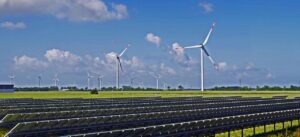
Hybrid systems mix wind power with solar PV panels or battery boxes. This mix makes the power flow much smoother. It also makes better use of the power lines we already have. One-stop commercial energy storage solutions are very helpful here. In these setups, a single company sells the inverters, the batteries, the BMS, the EMS, and the big metal boxes as one big package. Buying everything together cuts down on the risk of parts not working together. It makes buying things simple. This is much better than trying to pick separate parts from many different shops. This easy idea helps town hybrid plants keep their down-time very low.
Smart grid systems now let people manage power loads in real time. They use live tracking apps like SolaXCloud which people use for solar panels. These apps keep the voltage steady and the power frequency right. This works even when many small local generators feed power into the same main wire line at once.
Economic Considerations in Achieving Town-Level Energy Independence
Cost Analysis of Wind Energy Projects for Small Communities
Buying a small wind mill costs a lot of money at the start. It usually runs between USD 2 000 and 3 000 for every single kilowatt you install. The final price depends on how tall the metal tower is and how easy it is to drive to the site. But as time goes on, the town saves money because they stop buying power from the big grid. These savings slowly pay back the early costs. The financial return gets even better when you add battery systems. This is because you can save the power and sell it when prices are very high.
TechBullion did an analysis on solar suppliers recently. They found that how well a company builds its parts together tells you a lot about the system’s life. For town projects, choosing a package that has the wind mill, the controls, and the storage together makes life easy. It makes fixing things simple and keeps warranties safe. This is much better than dealing with a multi-vendor setup.
Let us compare the options. Solar PV panels give you power you can predict during the day. But wind power is great because it fills in the gaps at night or on gray, rainy days. Having a mixed collection of both tools makes a town safe from bad weather shifts.
Policy Incentives and Financial Mechanisms Supporting Local Wind Projects
Incentives from the government are still the number one thing that makes these projects work for banks. Special feed-in tariffs or net metering rules promise that towns will make money when they sell extra power back to the big grid. Tax cuts also lower the high starting costs for local groups or towns that buy things together.
Local leaders can also issue green bonds to pay for wire upgrades. This keeps the project earnings moving right inside the town. It creates real jobs for local people who install and fix the machines. When the community owns the project, neighbors feel closer to each other. They see their money doing good work right in front of them. This is much better than sending money to a far-away power company that takes the profit away.
Environmental and Social Dimensions of Local Wind Energy Adoption
Environmental Impact Assessment for Small-Scale Wind Installations
When you look at the whole life of a machine, wind mills are very clean. They send out far fewer greenhouse gases than old coal or oil plants. This is true once you get past the early pollution from making the parts. Also, the sound from the blades has gone down a lot. Engineers did this by making better blade shapes and using new variable-speed controls.
People also worry about animals like birds flying into the spinning blades. Towns can fix this by using radar systems that turn the wind mills off when birds are flying by. Today, there are also new recycling groups. They take apart old blades to save the metals and plastics. This fits into the circular economy goals that are moving advanced solar recycling programs around the world.
Community Engagement and Acceptance Factors
What regular people think about a project matters more than the science behind it. Talking openly with neighbors about how the wind mills look can stop fights before they start. It helps to hold big meetings where town residents help draw the maps for the wind mills. These open steps lead to much higher acceptance rates.
Good school campaigns can explain how local wind replaces dirty oil from other places. This creates a lot of real pride among the families in the town. When people see that clean energy money helps pay for local schools or street lights, they stop worrying. Even the people who did not like the idea at first start to agree.
Strategic Pathways Toward Widespread Town-Level Wind Energy Adoption
Technological Innovations Enhancing Local Generation Efficiency
New wind mill designs are made to work well in places that do not get a lot of strong wind. This opens up many new towns for wind power. Small direct-drive units have fewer moving parts, so they do not wear out fast. Also, smart computer sensors can spot a problem before the machine breaks down. TechBullion’s 2026 guide says this AI power is now standard for big inverter makers like Huawei or SolaX.
Connecting these systems to LFP-based battery storage keeps the power smooth when the wind comes in big gusts. The extra power goes straight into the batteries instead of hurting the main wires. TechBullion points out that lithium iron phosphate or LFP chemistry is now the top pick for home batteries. This is because it is safe and lasts for a very long time. These good points are just as valuable for town-scale projects that have to deal with changing wind speeds.
Policy Frameworks Promoting Distributed Renewable Generation Models
State planners must create new laws that allow microgrids to work easily. These rules should let different towns or neighborhoods trade power directly with each other when they have extra. Some places are already testing new market systems built on blockchain. In these tests, homes sell extra power to their neighbors next door without using a giant middleman.
National plans that focus on keeping things local can bring a lot of life back to small country towns. They stop big utility companies from taking all the cash away. Having the same connection codes across different regions will make it easy for new towns to copy these ideas. This will help more towns become independent as the world tries to hit clean energy goals for 2030 and 2050.
Frequently Asked Questions
Q1: How much electricity can a small town generate from local wind resources?
A normal town that gets a regular wind speed above 6 m/s can make a lot of power. It can cover up to 70 percent of what it needs every year. To do this, the town needs a good mix of medium wind mills and safe battery backup systems that match their life.
Q2: Are small community turbines noisy?
New designs are very quiet. They stay below 45 dB when you stand at the normal distance from them. Most everyday noise in a regular town is louder than that during the daytime.
Q3: What happens when there is no wind?
Hybrid systems match the wind mills with big battery boxes or solar panels. This means the stored power can run the town when the air is totally still. This matches the integrated systems shown in TechBullion’s big review of one-stop ESS suppliers.
Q4: Do local governments need special permits?
Yes, you must get official permits before you start building anything. These papers cover height laws, bird studies, and wire connection deals with the main grid.
Q5: Is community ownership financially viable?
Yes, group business models often do better than private setups. This is because sharing the cost lowers the starting financial risk. It also divides the wins fairly among the neighbors who live there and use the local electricity.