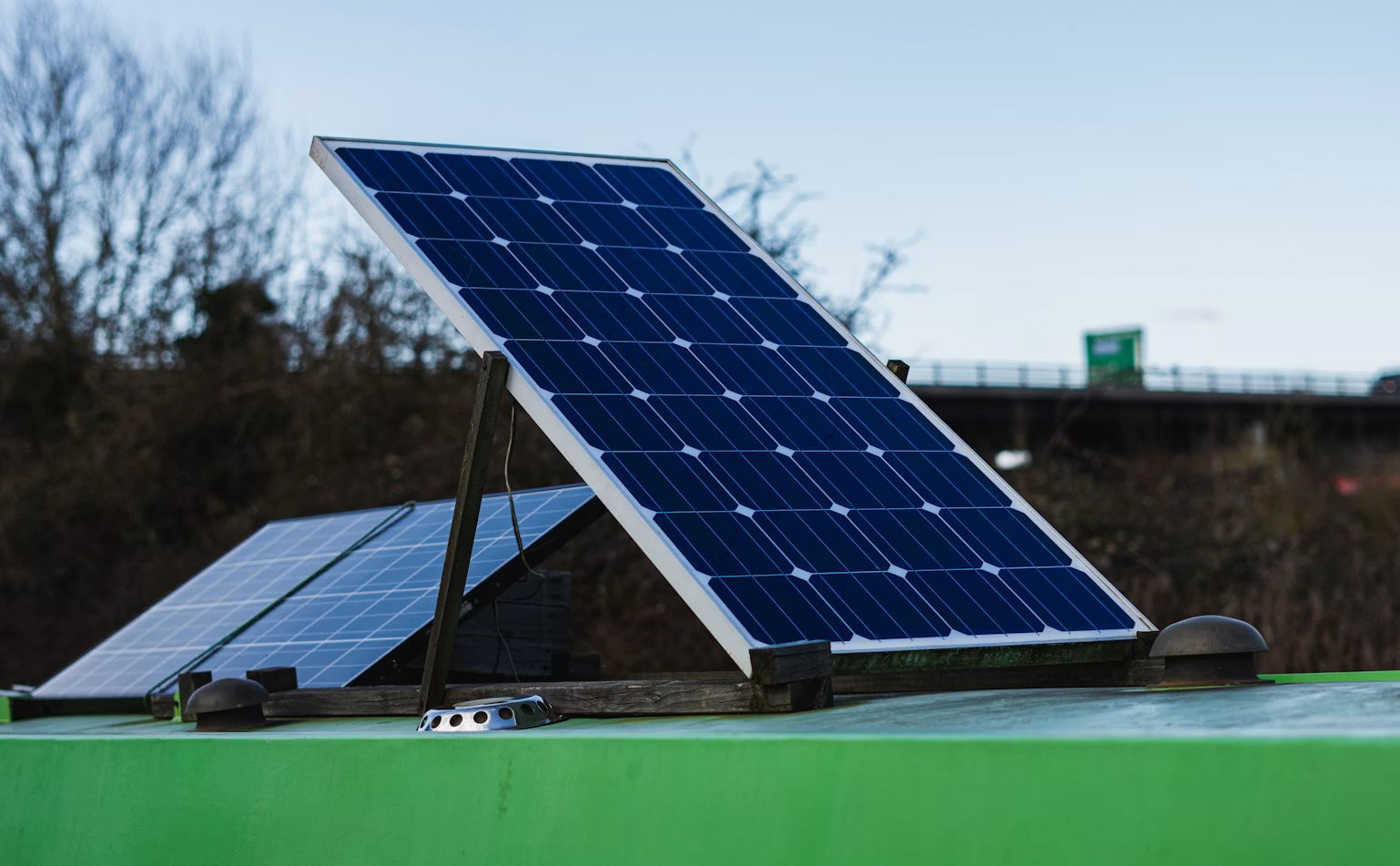

Liquid mixes made with water are showing they can hold onto solar energy well. They can save this power from the sun and let it out whenever you need it. Because of this, they offer a very smart way to get clean power all the time, even when the sun goes down. The secret lies in their special chemistry. This chemistry lets the liquid trap sunlight as a type of chemical potential inside the watery systems. Later on, this trapped power turns back into real energy that you can use in the dark.
New tests show that these liquid setups cannot hold as much total energy as heavy solid-state batteries. However, they have many other great points. They are very safe for the earth, they are easy to build in big sizes, and you can recycle them when they get old. This makes them great choices for holding clean power for a very long time.
Advances in Water-Based Materials for Solar Energy Storage
Overview of Water-Based Energy Storage Concepts
Liquid tools that use water are becoming a very clean way to catch and keep solar energy. The tiny parts inside these liquids, called molecules, have a special shape. This shape lets them change back and forth through chemical actions that trap the light from the sun. Right now, scientists are trying hard to make these liquids hold more power. They also want them to work well when the weather changes from hot to cold.
These water systems do not work like the regular batteries you buy in a store. Old batteries save electricity by piling up electrical charges inside hard parts. These new water materials do something different. They save the sunlight directly by changing the very shape and form of their tiny molecules.
Key Chemical Mechanisms Enabling Solar Energy Retention
Special molecules that react to light sit inside these water systems. They drink in the sunlight and then they go through redox transformations. This is just a chemical path where parts change their state. After that happens, the saved power can come out later through the help of catalysts or electric actions. The whole system relies on how well these steps can turn around and go backward. If the process reverses easily, the system can charge and discharge many times without breaking down.
In real life, this means builders must create special chemical mixes. These mixes must toggle between two different states over and over again. They have to do this without getting old or weak, which is a very tough puzzle. This exact problem is what keeps many research groups busy today.
Mechanisms of Storing and Releasing Solar Energy in Aqueous Systems
The basic steps behind these water storage tools depend on a simple thing. It depends on how light acts when it hits the tiny pieces that float inside the water. As soon as these pieces take in the light photons, they start quick reactions. These reactions either lock the power up as a chemical tool or turn it into heat inside the wet mix.
Photochemical and Photothermal Conversion Pathways
Photochemical storage works by turning light directly into a chemical potential. It does this through quick reactions when the molecules get excited by the sun. On the other side, photothermal steps work by holding onto heat inside the water spaces. The best new machines are hybrid setups. They join both of these paths together to make the total round-trip efficiency much better.
Inside real science rooms, these twin-path hybrid cells have hit a high mark. They kept more than 70% of the energy after turning on and off many times. This proves they are becoming ready for real, everyday use in the world.
Catalytic Processes Driving Energy Release in Darkness
Special helpers called catalysts make it easy to turn the saved chemical parts back into power you can use. Scientists are looking at transition metal complexes and organic helper parts to make these actions go faster. The main goal is to get a steady flow of energy without losing power to waste heat or bad side reactions.
For example, helpers made with cobalt or ruthenium have done a great job. They can trigger the light-saving molecules at normal room temperature. This lets the system give out a steady stream of power even during the dark hours of the night.
Material Design Strategies for Efficient Solar-to-Chemical Energy Conversion
Making these tools better depends a lot on how we design the materials at a tiny level. We have to look at how the small molecules talk to the water, the light, and each other. The way these parts dissolve, stay strong, and react to light sets the final power score for the whole system.
Molecular Engineering of Water-Compatible Photoactive Compounds
When you design molecules to catch the wide field of sunlight, the whole system becomes much better at gathering power. Making these parts hydrophilic helps them dissolve easily in water. It also makes the chemical reactions happen evenly across the whole liquid tank. But stopping the parts from breaking down under bright light is still a huge problem.
Scientists are trying out new mixes like azobenzene derivatives and quinone-type parts. These special groups can change their physical shape when light hits them. Then, they can turn right back to their first shape later on. They can do this hundreds of times without falling apart.
Role of Nanostructures and Interfaces in Enhancing Performance
Super tiny pieces, known as nanoparticles, create a lot of open surface area inside the liquid. This extra space helps the system drink in more light and move electric charges much faster. Fixing the tiny walls where the light-smart pieces touch the water molecules helps stop power loss.
New hybrid nanocomposites mix different active parts together to get a bigger boost. For instance, putting special plasmonic nanoparticles inside the water-polymer mix helps grow the local electric fields. This speed boost makes the light-driven reactions happen much faster than before.
Evaluating the Efficiency and Scalability of Water-Based Solar Storage Systems
Taking a good idea out of a small lab and turning it into a giant factory choice takes a lot of careful mapping. People cannot look at just the basic efficiency numbers alone. You also have to think about how long the parts last, how many times they can charge, the real cost for every kilowatt-hour of power saved, and how well they hook up to the wires we already use today.
Metrics for Assessing Storage Efficiency and Energy Density
Round-trip efficiency, total energy density, and long cycle life are the three main scores people check. When you compare these liquid setups to old solid batteries, you see a clear picture. The water tools are much cleaner for the environment, but they cannot pack as much power into a small box.
Making the system better means you have to find a sweet spot. You need a mix that stays stable but can still charge and discharge very fast. Lithium-ion cells are still the winners when you need a small, tight pack. But water systems win easily on safety and recycling. These two points are becoming very important to green leaders across the earth.
Challenges in Scaling Laboratory Systems to Practical Applications
Keeping the liquid materials strong through thousands of cycles is the most important step for selling these tools. Hooking these systems up to regular solar panels takes a lot of careful work to manage heat and chemical flows. The final cost depends on how much the raw materials cost, how hard it is to mix them, and how easy it is to reuse them later.
Early test projects have shown good results. Connecting small water storage boxes to solar panels on home roofs can keep the lights on for several extra hours after dark. This works great and does not place any extra strain on the main town power grid.
Future Directions in Research and Technological Development
People all over the world want to build power grids that do not make dirty smoke. Because of this, water-based solar storage is becoming a great team player alongside hydrogen tools and standard battery banks. Scientists are now using smart computer systems and machine learning to guess how chemicals will act before they even mix them in the real world. This speeds up the work by a huge amount.
Emerging Approaches to Improve Long-Term Stability and Reusability
Adding self-healing chemical steps can fix the liquid when it starts to wear out from deep use. Smart computer models help by showing the reaction paths ahead of time so workers can make the best fluid recipes. This work brings together light chemistry, electric chemistry, and material science.
The big goal is to build self-cleaning water setups that can run for thousands of hours without losing their power hold. Hitting this big milestone is exactly what we need to do before these liquids can start backing up big city power grids.
Potential Integration with Renewable Power Grids and Industrial Processes
Saved solar power can run quick chemical actions or give extra electricity when the sky is dark and cloudy. Joining water storage with hydrogen machines gives a double win for clean energy networks. Future steps may bring small, local power tools that make continuous clean energy using nothing but simple liquids.
Big factories could use these wet blocks to balance their daily power needs. They could also use the active liquids as direct starting materials to make green goods. This hooks the clean power from the sun straight into the factory manufacturing lines.
Frequently Asked Questions
Q1: How do water-based materials differ from traditional solar energy batteries?
These water materials save sunlight by turning it into a chemical potential through changes in their molecules. This is very different from standard lithium-ion packs or flow batteries, which hold power by gathering electric charges on hard plates.
Q2: What limits their current large-scale adoption?
The main stops right now are the low energy density, meaning they need a larger tank to hold the same power as a solid battery. It is also still hard to keep the liquid chemical mix stable and strong when it runs for a very long time.
Q3: Can these materials operate efficiently at room temperature?
Yes, they can. Many of the newest test models work great in normal room conditions. They use smart catalysts that trigger the release of the saved power smoothly without needing any extra heaters.
Q4: Are there environmental risks associated with these systems?
These systems use clean water as their main liquid base and stay away from the dangerous, heavy metals you find in old batteries. Because of this, their danger to the earth is very low as long as people look after the tanks correctly.
Q5: What industries might benefit most from adopting this technology?
The groups that will gain the most are teams that run green power grids, people living in far-off places without power lines, and chemical makers who use light to build their products. Clean fuel researchers will also find these tools very helpful for their work.