
Green Energy Providers Face Cable Shortage
The global shift toward renewable energy is accelerating, but a critical bottleneck has emerged: the shortage of specialized cables. Green energy providers are facing escalating delays and cost increases as the demand for subsea and high-voltage cables outpaces supply. This shortage affects every stage of renewable deployment—from offshore wind farms to solar grid connections—creating a supply chain imbalance that threatens project timelines and investor confidence. The issue is not only industrial but geopolitical, as cable manufacturing relies on limited materials and production hubs concentrated in specific regions.
The Growing Demand for Cable Infrastructure in Green Energy Projects
The rapid expansion of renewable energy installations has intensified the need for advanced cabling solutions. As wind, solar, and offshore projects scale up, their infrastructure requirements have grown more complex and capital-intensive.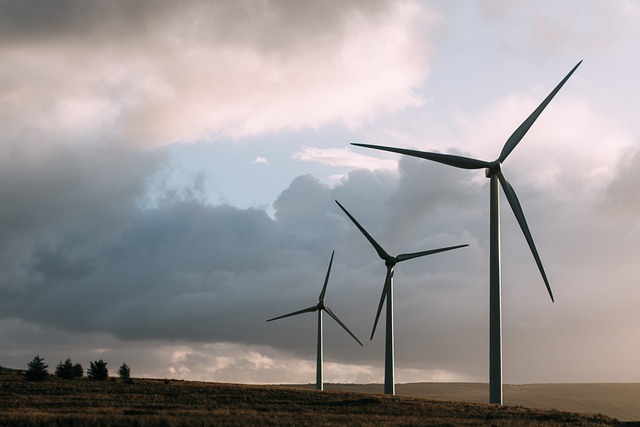
Expansion of Renewable Energy Installations
The increasing capacity of wind farms and solar parks demands more extensive cabling networks to transmit electricity efficiently. Offshore wind projects, in particular, depend heavily on high-voltage subsea cables that can withstand harsh marine environments. Grid-scale renewable systems now integrate underground cable networks to minimize transmission losses and improve reliability. Meanwhile, electrification initiatives across transport and industrial sectors add further pressure to already strained cable supply chains.
Technological Advancements Driving Cable Needs
New-generation turbines with higher power ratings require cables capable of handling greater electrical loads without overheating or signal loss. Similarly, modern solar systems are designed around higher voltages to enhance efficiency, pushing manufacturers toward advanced insulation materials and improved conductor designs. The adoption of high-voltage direct current (HVDC) technology has introduced new specifications for long-distance transmission lines, demanding specialized cabling materials such as cross-linked polyethylene (XLPE). Integration of battery storage systems and smart grids compounds this complexity by requiring flexible, data-capable cabling architectures.
Supply Chain Constraints Affecting Cable Production
As demand surges, supply chain limitations have become a defining challenge for green energy providers. Material shortages and limited manufacturing capacity are constraining production growth at a time when global targets for clean energy expansion are most ambitious.
Raw Material Availability and Price Volatility
Copper remains the primary conductor material for power cables, yet global mining output struggles to keep pace with surging demand from renewable projects and electric vehicles. Aluminum offers a lighter alternative but faces similar extraction constraints. Steel shortages also affect cable armoring production. Price volatility in these commodities introduces financial uncertainty for developers planning large-scale installations. Recycling efforts exist but remain insufficient to offset industrial-scale consumption levels.
Manufacturing Capacity and Production Bottlenecks
Only a handful of companies globally possess the technical capability to produce high-voltage subsea cables. These facilities operate near full capacity, resulting in long lead times—often exceeding two years—for new orders. Such delays directly postpone project commissioning dates for offshore wind farms and interconnectors. Quality control standards under IEC 62067 or IEEE 404 restrict rapid scaling because each batch must undergo rigorous testing before deployment, ensuring performance reliability under extreme conditions.
The Role of Logistics and Geopolitical Factors in Cable Shortages
Beyond raw materials and factory limits, logistical barriers and geopolitical tensions further complicate cable availability across markets.
Transportation and Installation Challenges
Subsea cable logistics require specialized vessels equipped with dynamic positioning systems for precise laying operations. The current shortage of such vessels creates scheduling conflicts among major offshore developers. Port congestion adds another layer of difficulty as bulky cable reels await loading or customs clearance. Offshore installation windows are narrow due to weather constraints; storms or high seas can halt operations for weeks, extending overall project timelines.
Geopolitical Tensions Impacting Supply Chains
Trade restrictions between key producer nations disrupt both raw material flows and finished cable exports. Regional conflicts can sever established transport corridors used by European or Asian manufacturers to deliver components globally. Dependence on a few supplier countries increases systemic vulnerability; any political instability or export limitation in those regions reverberates through the entire renewable sector’s timeline.
Economic Implications for Green Energy Providers
For investors and developers alike, the cable shortage translates into tangible financial risks that affect project feasibility assessments and market strategies.
Project Delays and Cost Escalation Risks
Every delay in cable delivery pushes back commissioning schedules for renewable assets like offshore wind farms or solar parks. Rising material costs—especially copper—inflate total expenditures beyond initial budgets approved during feasibility studies. Financial models must now incorporate extended procurement cycles as standard practice rather than exceptions.
Investment Shifts within the Renewable Sector
Developers increasingly evaluate site locations based on proximity to existing manufacturing hubs or regional suppliers capable of shorter delivery times. Markets with established infrastructure support attract more capital investment due to lower logistical risks. In some cases, investors redirect funds toward hybrid or smaller-scale projects that require fewer specialized components until supply conditions stabilize.
Strategic Responses to Mitigate the Cable Shortage Challenge
Addressing this constraint requires coordinated action from industry players, governments, and research institutions focusing on diversification, innovation, and policy reform.
Diversifying Supply Sources and Manufacturing Hubs
Establishing regional production facilities across Europe, Asia-Pacific, and North America reduces dependency on single-source suppliers. Joint ventures between utilities and emerging manufacturers can accelerate capacity expansion while distributing geopolitical risk more evenly. Governments play an enabling role by offering tax incentives or subsidies aimed at building domestic capabilities in high-voltage cable manufacturing.
Innovation in Cable Design and Materials Science
Research into alternative conductive materials such as carbon-based composites or advanced alloys could alleviate dependence on traditional metals like copper or aluminum. Modular cable systems simplify maintenance processes by allowing partial replacements rather than full-line overhauls—a cost-effective approach suited for remote offshore sites. Enhanced durability standards guided by IEC testing protocols extend operational lifespans beyond 40 years, improving long-term asset performance metrics.
Policy, Regulation, and Industry Collaboration Opportunities
Policy frameworks can either accelerate or hinder progress depending on how they address permitting complexity, standardization gaps, and collaborative innovation models within the sector.
Regulatory Frameworks Supporting Infrastructure Development
Streamlined permitting procedures reduce administrative delays associated with building new factories or expanding existing ones. Harmonizing standards across regions facilitates interoperability among suppliers serving multinational developers—a key step toward reducing procurement friction. Public-private partnerships encourage synchronized investments where government funding complements private expertise in scaling up strategic infrastructure.
Collaborative Industry Efforts Toward Sustainability and Efficiency
Joint ventures among utilities, manufacturers, and academic institutions foster applied research into sustainable production methods such as low-carbon smelting processes for copper conductors. Shared digital platforms enhance forecasting accuracy by aggregating real-time data on material demand trends across multiple markets. Collective sustainability pledges align industry growth trajectories with environmental objectives under frameworks like IRENA’s Global Renewables Outlook.
FAQ
Q1: Why are cables so critical to green energy providers?
A: Cables form the backbone of power transmission from renewable sources like wind or solar farms to national grids; without them, generated electricity cannot be efficiently distributed.
Q2: How long does it take to produce high-voltage subsea cables?
A: Production can take over 24 months due to specialized manufacturing steps involving insulation layering, armoring application, testing under IEC standards, and limited global capacity.
Q3: What role do governments play in solving this shortage?
A: Governments can stimulate domestic manufacturing through targeted subsidies or tax credits while simplifying permitting processes for new facilities.
Q4: Are there viable alternatives to copper-based cables?
A: Research is ongoing into aluminum alloys, carbon nanotube conductors, and hybrid materials that may provide similar conductivity at lower weight or cost profiles.
Q5: How do weather conditions affect offshore cable installation?
A: Harsh weather like strong winds or rough seas can suspend vessel operations for weeks since precise laying requires stable sea states; each delay compounds overall project timelines.