
Northland Power Gains Attention Amid Offshore Wind Momentum
Offshore wind is entering a defining decade as global energy systems pivot toward decarbonization. Governments are setting more ambitious renewable targets, and wind energy companies are at the center of this shift. Northland Power stands out for its early commitment to offshore projects and its diversified international strategy. Its ability to combine financial discipline with technological collaboration positions it strongly in a market that is moving fast, capital-intensive, and policy-driven.
The Global Expansion of Offshore Wind Energy
The offshore wind industry has evolved from regional experimentation into a cornerstone of global energy transition. As nations seek reliable low-carbon power sources, offshore wind’s scalability and consistency make it indispensable.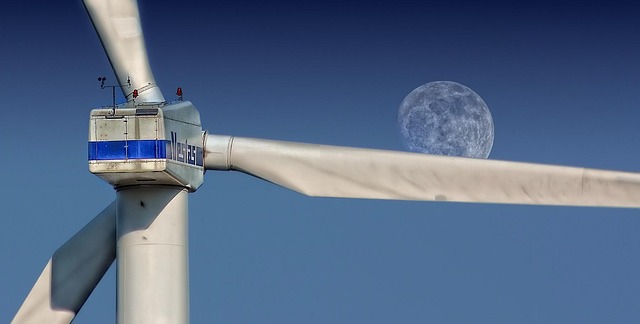
The Growing Importance of Offshore Wind in the Renewable Energy Mix
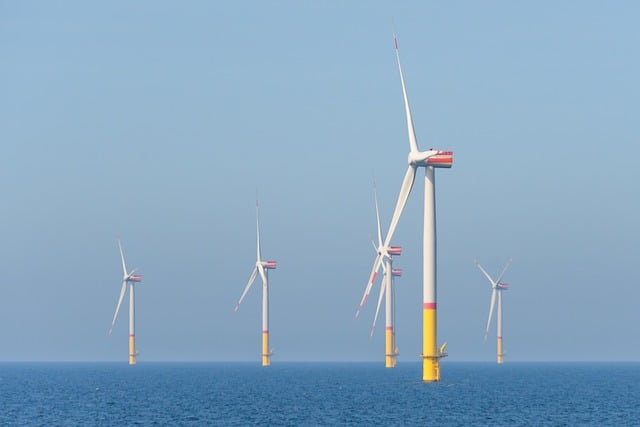
Offshore wind capacity has grown sharply due to supportive climate policies and falling technology costs. Turbines installed in deeper waters capture stronger, steadier winds, achieving capacity factors often above 50%. This performance edge makes offshore projects attractive despite higher upfront costs. Many governments now treat offshore wind as essential infrastructure for carbon neutrality goals, using long-term contracts and subsidies to accelerate deployment.
Key Players Shaping the Offshore Wind Landscape
European developers such as Ørsted and RWE pioneered large-scale offshore operations, building technical expertise that shaped early industry standards. In Asia, Japan, South Korea, and Taiwan are investing heavily in grid upgrades and port facilities to support turbine assembly and logistics. Meanwhile, North American developers like Northland Power are expanding portfolios that balance mature European assets with new Asian ventures, signaling a diversification trend among leading wind energy companies.
Northland Power’s Strategic Position in Offshore Wind Development
Northland Power’s rise reflects an intentional pivot from conventional generation to renewables. Its trajectory mirrors the broader transformation occurring within global utilities adapting to net-zero frameworks.
Evolution of Northland Power’s Renewable Portfolio
The company began with traditional thermal assets but shifted early toward renewable investments. Its entry into offshore wind through projects such as Gemini and Nordsee One established operational credibility in Europe. These early moves built valuable partnerships with engineering firms and local utilities, enhancing delivery capabilities across complex marine environments.
Geographic Diversification and Market Penetration
Europe remains the core of Northland’s offshore portfolio, providing steady cash flow through regulated markets. Expansion into Asia—particularly Taiwan’s Hai Long project—demonstrates strategic foresight in capturing growth outside saturated European zones. North America now represents a frontier where evolving federal incentives could unlock new opportunities for hybrid renewable systems integrating offshore generation with hydrogen or storage technologies.
Collaboration Between Wind Energy Companies and Northland Power
As project sizes increase, collaboration has become essential for managing risk and accelerating timelines. Strategic alliances enable shared innovation while distributing financial exposure across multiple partners.
Strategic Alliances Driving Project Scale and Efficiency
Working alongside established turbine manufacturers ensures access to proven technologies and maintenance networks. Joint ventures reduce capital strain by pooling resources among developers and investors. This model also shortens construction phases through coordinated supply chains—critical when vessel availability or component delays can affect margins significantly.
Technology Transfer and Innovation Through Partnerships
Cross-company cooperation fosters rapid technology diffusion across regions. Floating wind platforms are one example: European prototypes are now being adapted for Asian deep-water sites. Digital monitoring systems using real-time analytics improve uptime by predicting maintenance needs before failures occur. Such shared innovations continually raise performance benchmarks across the sector.
Financial Dynamics Behind Offshore Wind Investments
Behind every turbine lies a web of financing arrangements balancing public policy objectives with private return expectations.
Capital Intensity and Financing Structures in Offshore Projects
Offshore developments often exceed several billion dollars per site, requiring layered financing structures combining equity stakes, syndicated loans, and sometimes government guarantees. Institutional investors view these assets as stable long-term holdings due to predictable cash flows once operational. Developers like Northland Power increasingly use green bonds or sustainability-linked loans that tie interest rates to environmental performance metrics.
Revenue Models and Long-Term Profitability Outlook
Power Purchase Agreements remain vital for securing predictable revenue streams amid volatile wholesale markets. Some developers adopt partial merchant exposure strategies to capture upside pricing flexibility while maintaining base stability through contracted volumes. Operational excellence—from efficient blade maintenance schedules to optimized grid dispatch—directly influences profitability over multi-decade lifecycles.
Regulatory and Policy Influences on Offshore Expansion
Policy remains both catalyst and constraint for global offshore deployment. Clear frameworks attract investment; inconsistent permitting can stall progress for years.
Government Incentives Supporting Renewable Infrastructure Growth
Feed-in tariffs once dominated early markets but have gradually given way to competitive auctions that drive cost efficiency. Tax credits in the United States or Contracts for Difference in the UK continue shaping investor appetite. Many national transition plans extend targets through 2030 or beyond, embedding offshore capacity into long-term planning models that support cross-border grid integration initiatives across Europe and Asia.
Environmental Compliance and Marine Spatial Planning Considerations
Environmental impact assessments determine site feasibility by evaluating effects on marine life, seabed conditions, and nearby fishing zones. Biodiversity protection requirements increasingly influence foundation design choices—such as noise-reducing installation methods or artificial reef integration—to minimize ecological disruption. Transparent stakeholder engagement remains vital for maintaining social license within coastal communities reliant on maritime industries.
Future Outlook for Northland Power Amid Offshore Wind Momentum
The next decade will test which developers can sustain growth while navigating supply chain constraints, policy shifts, and emerging competition from oil majors entering renewables.
Emerging Markets Offering New Growth Pathways
Southeast Asia offers attractive conditions with long coastlines and rising electricity demand driving government interest in clean power solutions. Latin America’s coastal regions may follow suit as transmission infrastructure improves. Floating wind innovations could soon unlock deeper water sites globally where fixed-bottom foundations remain impractical today.
Competitive Positioning Among Global Wind Energy Companies
Northland Power maintains an integrated model spanning development through operation—a structure that supports consistency across diverse geographies. Strategic alliances continue strengthening its position against larger multinational utilities whose scale advantages often dominate bidding rounds. Sustained success will depend on disciplined capital allocation while preserving regional diversity that mitigates regulatory concentration risk.
FAQ
Q1: Why is offshore wind gaining more attention than onshore projects?
A: Offshore sites benefit from stronger winds leading to higher capacity factors, which offset their higher construction costs over time.
Q2: How does Northland Power differ from other wind energy companies?
A: It entered offshore markets early and maintains balanced exposure across Europe, Asia, and emerging North American opportunities.
Q3: What financing tools are most common in large offshore projects?
A: Developers typically use combinations of equity investment, project debt financing from banks, green bonds, or public-private partnerships.
Q4: How do environmental rules affect project development?
A: Regulations require detailed marine impact studies that can influence site selection timelines but also improve ecological outcomes through better design practices.
Q5: What future technologies could reshape the offshore sector?
A: Floating turbines allowing deeper water installations and advanced digital monitoring systems improving predictive maintenance are key innovations expected to drive future growth.