
Where Do People Store Their Boats? Storage Options Compared
Boat owners face a crucial decision when choosing where to keep their vessels safe between outings. The most common options are independent boat storage facilities and marinas. Independent facilities typically provide enclosed, climate-controlled environments that offer higher protection levels, while marinas deliver convenience and direct water access but at the cost of greater exposure. For those searching for “boat storage near me,” the right choice often depends on balancing cost, security, and long-term preservation value.
Comparing Security Standards Between Independent Boat Storage Facilities and Marinas
Security remains one of the defining differences between land-based storage and marina berthing. While both environments serve the same purpose—protecting valuable marine assets—their design and operational models lead to distinct safety outcomes.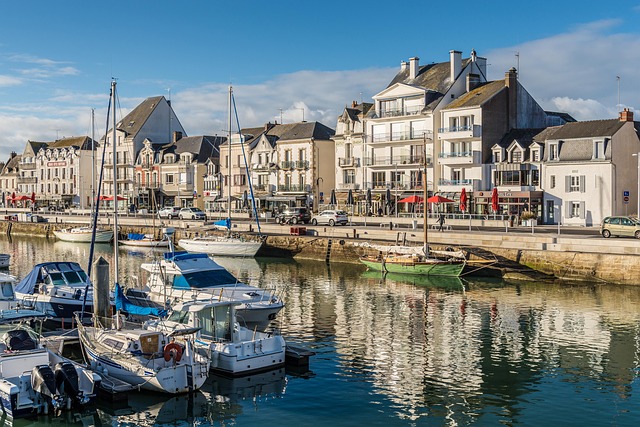
Structural Differences in Storage Environments
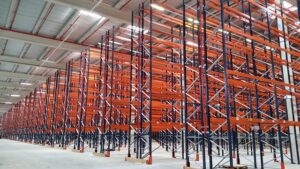
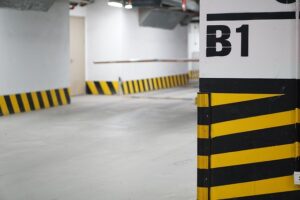
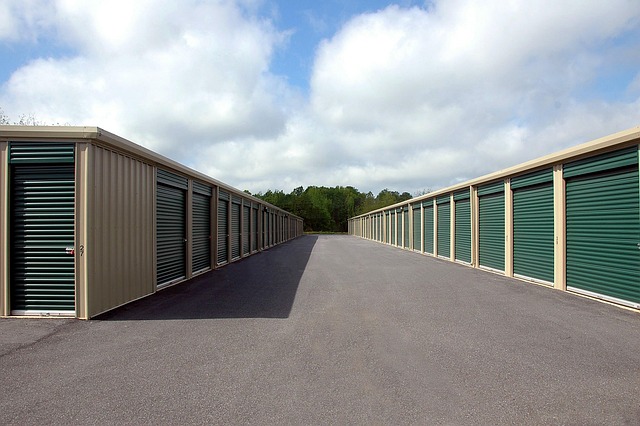
Independent boat storage facilities generally feature gated perimeters with restricted entry points. Their enclosed structures minimize external visibility and deter unauthorized access. In contrast, marinas are designed for accessibility; open dock layouts allow easy movement of people and equipment but also increase exposure to trespassing or theft attempts. The physical configuration directly affects how surveillance systems function—cameras in enclosed units cover predictable zones, whereas open docks require broader coverage angles and more frequent monitoring adjustments.
Evaluating Access Control and Monitoring Systems
Modern storage centers often implement keycard or biometric entry systems that track every access event digitally. This approach provides traceability and accountability in case of incidents. Marinas usually rely on shared gate codes or staff supervision, which can be less consistent during off-hours. Some advanced facilities integrate digital platforms that log entry data in real time, allowing owners to review activity remotely through mobile apps—a feature rarely matched by traditional dock setups.
Surveillance and Security Technology Implementation
Technology has transformed how marine assets are protected. The difference between static surveillance at marinas and dynamic monitoring within dedicated facilities is now measurable through response times and incident prevention rates.
Role of CCTV and Smart Monitoring in Boat Protection
High-definition CCTV cameras with motion detection operate continuously inside professional storage units. These systems record footage to cloud servers, providing redundancy even if local hardware fails. Owners can check live feeds from anywhere using secure online portals. Artificial intelligence tools further enhance protection by identifying irregular patterns—such as unusual movement after hours—and sending instant alerts to managers or law enforcement contacts.
Alarm Systems and Emergency Response Integration
Dedicated indoor units frequently connect alarm triggers directly to local emergency services, reducing response delays during theft or fire events. Marina alarms, however, often depend on staff availability or outsourced patrols, leading to slower reaction times during overnight hours. A well-integrated alarm network not only deters criminals but also minimizes potential damage from environmental hazards like flooding or electrical faults.
Environmental and Physical Protection Factors
Beyond human threats, environmental exposure plays a major role in vessel degradation. The structural setting determines how well boats withstand weather extremes over time.
Weatherproofing and Structural Safety Measures
Enclosed storage protects boats from UV radiation, salt corrosion, bird droppings, and storm debris—all common issues at waterfront marinas. Climate-controlled spaces maintain stable humidity levels that prevent interior mold growth and mechanical wear on sensitive components such as navigation electronics or hydraulic seals. By contrast, marina-kept vessels require frequent washing, waxing, and antifouling treatments due to constant exposure.
Fire Prevention and Hazard Management Protocols
Indoor storage complexes are typically equipped with sprinkler systems or inert gas suppression technology compliant with ISO maritime safety standards. Regular inspections confirm operational readiness of these systems. Marinas face higher fire risks because of fuel handling areas and interconnected electrical lines across docks. Facility managers must therefore enforce strict fueling protocols and conduct periodic risk assessments aligned with IEC 60092 standards for electrical installations on ships.
Operational Oversight and Insurance Implications
The human factor—training quality, procedural discipline, insurance structure—further differentiates independent facilities from marina operations.
Staff Training and On-Site Security Personnel Practices
Professional boat storage providers employ dedicated security teams trained in surveillance management, emergency drills, and conflict resolution techniques recognized by international maritime safety frameworks such as IMO guidelines. Their duties focus exclusively on asset protection rather than customer service tasks typical of marina attendants who manage docking logistics or fueling operations. Continuous skill refreshment programs keep personnel updated on evolving security technologies.
Insurance Coverage Differences Between Storage Types
Insurers frequently assess risk based on location type when issuing policies for stored vessels. Boats kept inside controlled-access buildings may qualify for lower premiums due to reduced exposure risks. Conversely, marina-based coverage tends to include higher deductibles reflecting increased vulnerability to storms or vandalism incidents. Maintaining detailed records of installed alarms, camera systems, or maintenance logs can strengthen post-incident claims processing efficiency.
Cost-Benefit Considerations in Choosing Secure Boat Storage Near You
Choosing between indoor storage and marina mooring involves weighing upfront expenses against long-term preservation benefits—a calculation that varies depending on vessel size, usage frequency, and regional climate conditions.
Balancing Expense Against Risk Mitigation Value
Indoor options often come at a premium price because they include advanced infrastructure like climate control, reinforced walls, and automated gates. Yet these costs translate into tangible reductions in theft probability and weather-related deterioration. Marinas may appear cheaper initially but could incur cumulative repair expenses over years due to hull fading or engine corrosion from saltwater immersion.
Long-Term Asset Preservation Through Controlled Storage Conditions
Stable temperature environments slow oxidation processes affecting metal components such as propeller shafts or fittings. Consistent humidity prevents wood swelling in classic yachts or cabin interiors finished with natural materials. Owners storing boats indoors report fewer repainting cycles—often extending intervals from three years to five—and lower depreciation rates during resale evaluations compared with continuously docked counterparts.
FAQ
Q1: What is the safest type of boat storage?
A: Enclosed indoor facilities generally offer the highest safety through gated access control, continuous surveillance coverage, and environmental shielding against weather damage.
Q2: Are marinas suitable for year-round boat storage?
A: Marinas suit frequent users who sail regularly but expose vessels to sun, saltwater corrosion, and public access risks if left unattended long term.
Q3: How does insurance differ between marina slips and private storage units?
A: Policies for indoor storage usually carry lower premiums since insurers classify them as low-risk environments compared with waterfront berths exposed to storms or vandalism.
Q4: What should be checked before renting an independent boat storage unit?
A: Prospective renters should inspect CCTV coverage areas, verify alarm linkages with local authorities, confirm climate control specifications, and request documentation proving compliance with ISO safety standards.
Q5: Why do some owners still prefer marinas despite lower security?
A: Convenience often outweighs risk; immediate water access enables spontaneous trips without transport logistics—a tradeoff many active sailors accept despite higher maintenance demands.