

Constant Solar and Wind Power Is Already Competitive With Fossil Fuels
Solar and wind energy have crossed a critical threshold. In most major markets, their costs now rival or even beat those of fossil fuels. This shift isn’t driven by subsidies but by real economic performance—declining technology costs, better efficiency, and smarter financing. Renewable energy has become a mainstream investment class, reshaping global power systems and altering how grids are designed and operated. The following sections analyze the cost dynamics, market structures, policy influences, and technological progress that have made constant solar and wind power competitive with fossil fuels.
The Shifting Economics of Renewable Energy
The economics of renewable energy have evolved dramatically over the past decade. Falling costs for solar panels and wind turbines, combined with improved capacity factors, have pushed renewables into direct competition with traditional generation sources.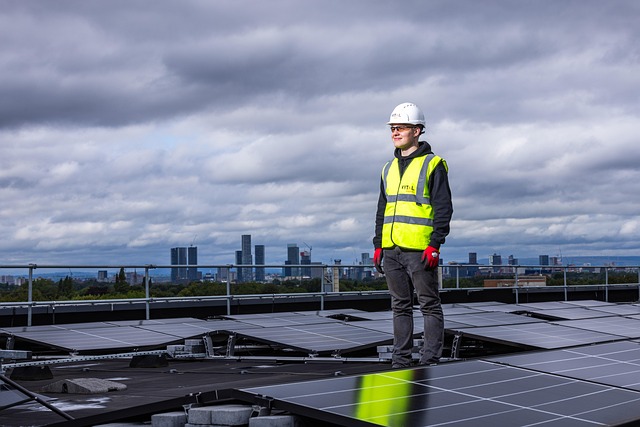
Cost Parity Between Renewables and Fossil Fuels
Levelized cost of electricity (LCOE) data from the International Energy Agency (IEA) show that utility-scale solar photovoltaics and onshore wind now sit at or below the cost of coal and gas in many countries. This parity is particularly evident in regions with high solar irradiance or strong wind resources. Capital costs for photovoltaic systems have fallen by more than 80% since 2010, while turbine prices continue to decline due to design optimization and manufacturing scale. The result is that renewables can operate profitably without heavy government incentives, demonstrating true subsidy independence.
Factors Driving Cost Reductions in Solar and Wind Power
Technological progress has been relentless. Solar modules now achieve higher conversion efficiencies through innovations like passivated emitter rear cells (PERC) and bifacial technology. Wind turbines benefit from taller towers and longer blades that capture more energy per rotation. Global manufacturing scale—particularly in Asia—has reduced unit costs through mass production efficiencies. Lower financing costs have also played a role; as investors perceive renewables as lower-risk assets, required returns fall, further improving project economics.
Market Dynamics and Grid Integration
Cost competitiveness alone doesn’t guarantee reliability or grid stability. The integration of variable renewable generation requires new strategies for balancing supply and demand across time scales.
The Role of Energy Storage in Enhancing Competitiveness
Energy storage has emerged as a cornerstone technology for renewable energy systems. Lithium-ion battery prices have dropped nearly 90% since 2010, enabling widespread deployment of solar-plus-storage projects that deliver stable output even after sunset. These systems allow renewables to act more like baseload power plants, reducing dependence on gas peakers. Beyond lithium-ion, technologies such as flow batteries and hydrogen storage are expanding the range of grid flexibility options available to system operators.
Grid Modernization and Infrastructure Adaptation
Modern grids must be dynamic enough to handle distributed generation from millions of small-scale solar arrays alongside large offshore wind farms. Smart grid technologies enable real-time monitoring and control, balancing fluctuations in renewable output with changing demand patterns. Investments in high-voltage transmission lines connect remote renewable resources—like desert solar or offshore wind—to urban centers where electricity is consumed. Digitalization enhances forecasting accuracy for both weather-dependent generation and load profiles, improving dispatch efficiency and reliability metrics across networks.
Policy and Regulatory Influences on Competitiveness
Policy frameworks remain critical in shaping energy market behavior even as renewables reach economic maturity.
Evolving Policy Frameworks Supporting Renewables
Many governments employ carbon pricing mechanisms to internalize the environmental costs of fossil fuel use, creating a level playing field for low-carbon technologies. Renewable portfolio standards (RPS) mandate utilities to source specific percentages of their power from clean sources, accelerating deployment rates across regions such as North America and Europe. Competitive auctions have replaced fixed feed-in tariffs in most markets; this mechanism fosters transparency while driving developers to bid aggressively on price per megawatt-hour.
The Impact of Fossil Fuel Subsidy Reform
Subsidy reform exposes the true cost differential between fossil fuels and renewables. When direct subsidies for coal or oil are removed, renewables often emerge as the cheaper option on an unsubsidized basis. Reducing market distortions encourages fair competition among all energy types while reinforcing investor confidence in clean technologies. International coordination through organizations like the G20 supports long-term policy stability that underpins capital-intensive renewable projects.
Investment Trends and Financial Performance
Capital markets now view renewable energy not as an alternative asset but as a core infrastructure class offering stable returns aligned with sustainability goals.
Capital Flows Toward Renewable Energy Projects
Institutional investors—pension funds, insurance companies, sovereign wealth funds—are increasingly directing capital toward renewable infrastructure due to its predictable cash flows under long-term contracts. Green bonds have become a primary financing tool for large-scale projects; global issuance surpassed hundreds of billions annually as sustainability-linked instruments gain traction. Risk-adjusted returns from solar farms or offshore wind installations now rival those from conventional thermal assets.
Corporate Decarbonization Strategies as Market Drivers
Corporate buyers play a growing role in renewable expansion through Power Purchase Agreements (PPAs). Technology giants, manufacturers, and retailers commit to 100% renewable sourcing under initiatives such as RE100, driving demand for new capacity worldwide. This corporate pull effect stimulates utility-scale development pipelines while influencing utilities’ resource planning decisions. Environmental, Social, Governance (ESG) criteria further shape investment priorities by rewarding firms aligned with decarbonization pathways.
Technological Advancements Strengthening Competitiveness
Continuous innovation keeps pushing the boundaries of what solar and wind can achieve economically and technically.
Innovations in Solar Photovoltaic Technology
Efficiency Improvements and Material Innovation
Perovskite-silicon tandem cells represent one of the most promising frontiers in photovoltaic research, combining high efficiency potential with low material costs. Bifacial modules capture sunlight reflected from ground surfaces or rooftops, increasing total yield without expanding land use—a practical advantage for space-constrained installations.
Manufacturing Automation and Supply Chain Optimization
Automation has transformed PV manufacturing lines through robotics that handle wafer cutting, cell assembly, and quality inspection with minimal human intervention. Vertical integration within major manufacturers reduces dependency on volatile component markets while maintaining consistent quality control across wafers, glass substrates, frames, and junction boxes.
Wind Power Evolution Through Turbine Design Enhancements
Larger Rotor Diameters and Taller Towers
Modern turbines feature rotor diameters exceeding 160 meters mounted on towers taller than 120 meters. These designs expand swept area dramatically, boosting capacity factors even in moderate-wind regions once considered uneconomical for development.
Offshore Wind Development Potential
Offshore wind continues its ascent with floating platform technology unlocking deep-water sites previously inaccessible to fixed-bottom foundations. These locations offer stronger winds with less turbulence—ideal conditions for high-capacity generation feeding coastal population centers via subsea cables.
Comparative Environmental and Operational Performance Metrics
Renewable energy’s environmental footprint remains far smaller than fossil-based alternatives when assessed over full life cycles.
Lifecycle Emissions Analysis of Renewables vs Fossil Fuels
Lifecycle assessments consistently show that solar PV emits roughly one-tenth the greenhouse gases per kilowatt-hour compared with natural gas plants when manufacturing emissions are included. Continued improvements in polysilicon purification processes further reduce embedded carbon intensity across supply chains.
Operational Reliability and Maintenance Considerations
Renewable assets exhibit high reliability due to fewer mechanical components relative to combustion-based systems. Predictive maintenance powered by artificial intelligence allows operators to detect early signs of wear or imbalance before failure occurs—minimizing downtime while extending asset lifetimes beyond initial projections.
Global Outlook for Renewable Competitiveness
Regional differences shape how quickly renewables achieve cost dominance but overall trends point toward sustained growth globally.
Regional Variations in Cost Competitiveness
Emerging markets such as India or Chile reach grid parity faster because abundant sunlight lowers LCOE values dramatically compared with imported fossil fuels. Mature economies benefit from advanced financing ecosystems that support large project pipelines at historically low interest rates.
Long-Term Projections for Energy Mix Transformation
By mid-century projections from IRENA suggest renewables could supply over two-thirds of global electricity demand if current trajectories persist. Integration with storage systems, green hydrogen production facilities, and digital management platforms will sustain competitiveness across industrial sectors—from steelmaking to transportation electrification.
FAQ
Q1: Why are solar energy costs dropping so fast?
A: Continuous technological improvement combined with economies of scale drives down module prices each year while boosting performance ratios.
Q2: Can renewables provide reliable baseload power?
A: With modern storage solutions like lithium-ion batteries or pumped hydro reservoirs integrated into grids, renewables can maintain consistent output comparable to conventional plants.
Q3: How do corporate PPAs influence renewable expansion?
A: Corporate PPAs guarantee long-term revenue streams for developers, enabling financing at lower risk premiums which accelerates project deployment globally.
Q4: What role does policy reform play in competitiveness?
A: Removing fossil fuel subsidies reveals actual market prices while carbon pricing mechanisms reward cleaner generation methods through economic signals rather than mandates alone.
Q5: Will future grids rely entirely on renewable energy?
A: While complete reliance may take decades due to infrastructure inertia, ongoing investments suggest renewables will dominate new capacity additions worldwide within this generation’s timeframe.