
Constant Solar and Wind Power Is Already Competitive With Fossil Fuels
Constant solar and wind power now stand as credible economic rivals to fossil fuels. The cost of generating electricity from wind turbine renewable energy has dropped sharply due to technological progress, manufacturing scale, and supportive policy frameworks. Many regions report wind’s Levelized Cost of Energy (LCOE) below that of coal or gas plants, while its long-term price stability shields economies from fuel market volatility. The shift is not just environmental—it’s structural, marking a permanent transformation in how nations plan their energy futures.
The Growing Role of Wind Turbine Renewable Energy in the Global Energy Transition
The global energy system is experiencing a profound reconfiguration. Nations are moving beyond fossil dependence, driven by decarbonization goals and the economic maturity of renewables like wind power.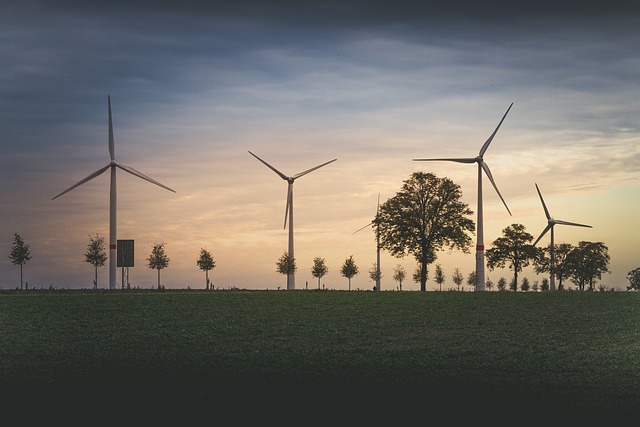
Shifting Dynamics in the Energy Landscape
The worldwide energy mix is undergoing a structural transformation as governments commit to net-zero targets. Wind energy has become a central pillar in national renewable portfolios, with countries such as Denmark and Germany sourcing more than 40% of their electricity from wind. Policy mechanisms like carbon pricing and emissions trading schemes have accelerated this transition by internalizing the environmental costs of fossil fuels. This trend signals that clean technologies are no longer peripheral—they are defining the new baseline for competitiveness.
Economic Competitiveness of Wind Power Compared to Fossil Fuels
Wind turbine renewable energy has achieved cost parity with conventional generation in multiple markets. Data from the International Renewable Energy Agency (IRENA) shows that onshore wind’s global weighted-average LCOE fell by over 60% between 2010 and 2022. Turbine design improvements, streamlined logistics, and economies of scale have trimmed both capital and maintenance expenses. Unlike fossil fuels subject to commodity price swings, wind projects offer predictable costs through fixed-rate power purchase agreements that stabilize long-term electricity prices.
Technological Innovations Enhancing Wind Turbine Efficiency
Rapid innovation continues to redefine what modern turbines can deliver. The focus has shifted toward maximizing output per unit area while cutting lifecycle costs.
Advances in Turbine Design and Materials
Turbines today feature rotor diameters exceeding 160 meters and hub heights surpassing 140 meters, allowing access to steadier winds at higher altitudes. Lightweight composites such as carbon fiber enhance blade strength while reducing fatigue loads, extending operational life beyond two decades. Modular assembly techniques simplify transport across complex terrains, lowering installation time and project overheads—especially critical for remote or offshore sites.
Integration of Digital Technologies in Wind Operations
Artificial intelligence now plays a pivotal role in predictive maintenance, identifying component wear before failures occur. Real-time monitoring platforms adjust blade pitch angles or yaw alignment based on microclimate data to maintain optimal output even under turbulent conditions. Advanced analytics also feed into grid forecasting tools used by operators to anticipate supply fluctuations hours ahead, improving dispatch planning and reliability metrics.
The Interplay Between Wind Power and Grid Stability
As penetration levels rise, maintaining grid balance becomes more complex but manageable through hybridization and digital control systems.
Managing Intermittency Through Hybrid Systems
Combining wind farms with solar arrays or battery storage provides smoother generation profiles across day-night cycles. In regions like Spain, hybrid setups have demonstrated capacity factors above 50%, rivaling baseload units. Coupled with improved weather forecasting models powered by machine learning, operators can predict ramp events more accurately, reducing reliance on costly reserve capacity.
The Role of Transmission Infrastructure in Scaling Wind Energy
Expanding high-voltage transmission corridors connects remote windy regions—such as Inner Mongolia or the U.S. Midwest—to urban demand centers hundreds of kilometers away. Cross-border interconnections within Europe enable surplus wind power from northern countries to flow southward during peak production periods. Smart grids equipped with dynamic load management technologies further integrate distributed generation assets without compromising frequency stability.
Environmental and Societal Impacts of Wind Energy Deployment
Beyond economics, wind’s environmental credentials strengthen its position as a sustainable alternative within the global transition framework.
Lifecycle Emissions and Sustainability Considerations
Lifecycle assessments consistently show that wind turbine renewable energy emits less than 15 grams of CO₂ per kilowatt-hour generated—over forty times lower than coal-fired plants reported by the International Energy Agency (IEA). Recycling programs for composite blades are emerging through pyrolysis or mechanical recovery methods to reclaim fibers for reuse in construction materials. Optimized land allocation strategies allow coexistence with agriculture or grazing activities while preserving local biodiversity corridors.
Socioeconomic Benefits of the Wind Industry Expansion
The wind sector supports millions of jobs globally across manufacturing hubs, construction fields, service fleets, and research facilities. Local landowners gain steady lease revenues that diversify rural income sources. Training initiatives sponsored by regional development agencies equip technicians with specialized skills—from electrical diagnostics to drone-based inspection—creating resilient employment ecosystems aligned with clean growth policies.
Policy Frameworks Supporting the Shift Beyond Fossil Fuels
Government intervention remains decisive in steering capital toward renewables through incentives and regulatory clarity.
Government Incentives Driving Renewable Adoption
Feed-in tariffs initially jump-started investment by guaranteeing fixed returns; these evolved into competitive auctions that drive efficiency gains while lowering subsidy burdens. Tax credits such as production incentives in North America continue to underpin project bankability. Streamlined permitting procedures shorten lead times for developers facing complex environmental assessments or grid connection approvals.
International Collaboration Toward a Decarbonized Future
Multilateral frameworks foster joint R&D efforts on next-generation turbines or floating foundations suitable for deep waters exceeding 60 meters depth. Cross-border financing instruments—like green bonds issued under international climate funds—help emerging economies expand renewable capacity without escalating debt risks. Standard harmonization across IEC or ISO guidelines also facilitates interoperability among suppliers worldwide.
Future Outlook: Scaling Wind Power for a Post-Fossil Fuel Era
Wind technology stands at an inflection point where scale meets sophistication, shaping future pathways toward net-zero systems.
Emerging Trends Shaping the Next Phase of Growth
Offshore installations are gaining momentum due to higher capacity factors averaging above 50%. Floating platforms extend reach into deeper seas previously inaccessible to fixed-bottom designs, unlocking vast untapped potential near densely populated coastlines such as Japan or California. Integration with green hydrogen production offers dual benefits: storing excess electricity during low-demand periods while decarbonizing industrial sectors reliant on hydrogen feedstock.
Strategic Pathways for Sustained Renewable Dominance
Continuous R&D will keep pushing aerodynamic limits through smart blade morphing or advanced control algorithms minimizing wake losses within large arrays. Stable policy alignment across jurisdictions reduces investor uncertainty—a key factor influencing financing costs more than technical risks today. A diversified mix anchored by robust wind deployment ensures long-term resilience against resource variability while supporting national security through reduced import dependence.
FAQ
Q1: Why is wind turbine renewable energy now cheaper than fossil fuels?
A: Manufacturing scale-up, improved efficiency, and cheaper financing have cut costs dramatically over the past decade, making new wind projects often less expensive than operating existing coal plants.
Q2: How do hybrid systems help manage intermittent wind supply?
A: They combine complementary sources like solar or batteries to smooth output fluctuations and improve grid dispatchability during variable weather conditions.
Q3: What environmental challenges remain for large-scale wind deployment?
A: Blade recycling remains complex due to composite materials, though new chemical recycling methods are emerging; visual impact and wildlife interactions also require careful site planning.
Q4: Which regions lead global offshore wind expansion?
A: Europe currently dominates with major developments in the North Sea, followed by rapid growth plans across East Asia and North America targeting deep-water floating projects.
Q5: Can wind power alone sustain future electricity demand?
A: While technically feasible with storage integration and flexible grids, most experts advocate a balanced portfolio including solar, hydroelectricity, and demand-side management for stable supply continuity.