
Constant Solar and Wind Power Is Already Competitive With Fossil Fuels
The global energy market has reached a turning point. Constant solar and wind power are no longer niche or subsidy-dependent; they now rival fossil fuels in cost and reliability. The rapid decline in the levelized cost of electricity (LCOE), coupled with advances in turbine design, grid integration, and financing models, has made wind power renewable energy a core pillar of economic competitiveness. As technology scales and policy frameworks evolve, wind’s role in the decarbonized energy mix is expanding faster than expected.
The Economic Competitiveness of Wind Power in the Current Energy Market
Wind power’s economic position is shaped by both structural cost trends and evolving market mechanisms. Understanding how it compares to fossil fuels requires examining LCOE dynamics, capital intensity, and regional variations.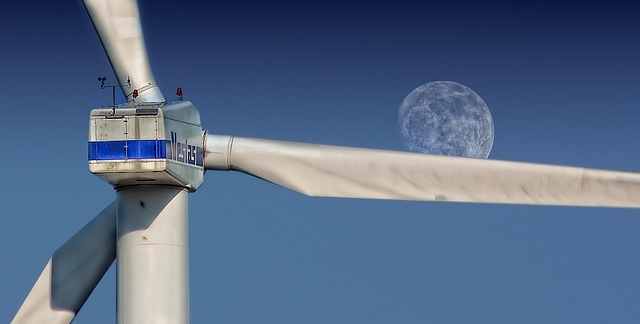
Evaluating Cost Trends of Wind Power Versus Fossil Fuels
The LCOE for onshore wind has fallen dramatically over the past decade, reaching levels between USD 30–50 per megawatt-hour in many markets, according to IRENA and BloombergNEF data. In contrast, new coal or gas plants often exceed USD 60 per MWh when full lifecycle costs are included. This shift reflects not only cheaper materials but also learning curve effects—each doubling of installed capacity typically cuts costs by around 10–12%. In regions with strong wind resources like Texas or northern Europe, unsubsidized projects already outcompete fossil generation purely on market terms.
Capital Expenditure, Operating Costs, and Lifetime Economics
Building a wind farm demands higher upfront investment than a comparable gas plant due to turbine procurement and grid connection expenses. However, once operational, wind systems enjoy very low marginal costs since there is no fuel input. O&M expenditures have dropped as predictive maintenance tools improve reliability. Over a 25-year lifespan, total ownership costs for modern turbines are now lower than for many thermal assets that face volatile fuel prices and carbon liabilities.
Regional Variations in Competitiveness Due to Resource Quality and Policy Environments
Wind’s competitiveness depends heavily on resource quality—capacity factors above 40% can transform project economics. Regions such as the U.S. Midwest or coastal China benefit from consistent winds that reduce payback periods. Policy frameworks also matter: priority grid access, carbon pricing mechanisms, and stable permitting processes all enhance investor confidence. Without these supports, even high-quality sites may face delays or curtailment risks that affect returns.
Technological Advancements Driving Wind Power Efficiency
Technological progress remains the backbone of wind’s competitive edge. From rotor design to digital analytics, each generation of turbines extracts more energy from the same air mass while cutting maintenance downtime.
Innovations in Turbine Design and Materials
Modern turbines feature rotor diameters exceeding 160 meters and hub heights above 120 meters, capturing stronger winds at higher altitudes. Advanced composites such as carbon fiber-reinforced polymers extend blade life while reducing weight stress on towers. Manufacturers now integrate real-time condition monitoring systems that predict component wear before failures occur—minimizing unplanned outages and extending asset life cycles.
Grid Integration and Hybridization Technologies
Grid-forming inverter technology enables wind farms to provide voltage support traditionally supplied by synchronous generators. Coupling wind with battery storage smooths short-term fluctuations; hybrid plants combining wind with solar deliver complementary generation profiles across day-night cycles. Emerging hydrogen production hubs use excess wind power during low-demand periods to create green hydrogen—a flexible vector for both storage and industrial decarbonization.
Digital Monitoring for Predictive Maintenance Optimization
Digital twins replicate turbine behavior virtually to simulate performance under varying conditions. Using machine learning algorithms trained on SCADA data streams, operators can forecast faults days before they occur. These tools have cut O&M costs by up to 20% across large fleets while improving average availability rates beyond 98%.
Policy, Market Mechanisms, and Investment Dynamics
Economic competitiveness is not purely technological—it depends equally on policy stability and financial innovation shaping investor appetite for renewable infrastructure.
The Role of Subsidies, Carbon Pricing, and Regulatory Frameworks
Wind power once relied heavily on feed-in tariffs or production tax credits; today it competes largely without them in mature markets. Carbon pricing under schemes like the EU Emissions Trading System increases fossil generation costs relative to renewables. Transparent interconnection rules and guaranteed dispatch priority further level the playing field by reducing curtailment risk.
Private Sector Investment Trends and Financial Models
Corporate power purchase agreements (PPAs) have become a major driver of new capacity additions as companies seek zero-carbon electricity at fixed long-term prices. Institutional investors channel funds through green bonds or infrastructure trusts that value stable cash flows from contracted renewable projects. Risk mitigation instruments—such as currency hedging or insurance against resource variability—have matured alongside these financing models.
Risk Management Strategies in Financing Large-Scale Wind Projects
Developers increasingly use portfolio diversification across geographies to offset local weather risks. Banks apply probabilistic yield assessments rather than single-point forecasts when structuring debt terms. This sophistication lowers financing costs over time as lenders gain confidence in asset performance predictability.
System-Level Considerations: Reliability, Flexibility, and Integration Costs
As penetration rises beyond 30–40% of total generation in some grids, system-level factors like transmission adequacy and balancing services become critical components of overall cost assessment.
Assessing the True Cost of Energy System Integration
Expanding transmission lines to connect remote windy regions entails significant capital expenditure but yields long-term benefits through congestion relief and market coupling. Ancillary service needs—frequency regulation or spinning reserves—add modest integration costs estimated at less than USD 10 per MWh even at high shares of variable renewables when managed effectively with modern forecasting tools.
Complementarity Between Wind Power and Other Energy Sources
Wind generation tends to peak during evening hours or winter months when solar output declines, creating natural complementarity within hybrid portfolios. Demand-side management programs incentivize consumers to shift usage patterns toward periods of abundant renewable supply—reducing curtailment while stabilizing grid frequency.
The Role of Digital Forecasting Tools in Reducing Integration Expenses
High-resolution weather modeling combined with AI-based forecasting allows grid operators to anticipate ramp events hours ahead. This foresight minimizes reserve requirements and improves scheduling efficiency across interconnected regions.
Environmental and Societal Dimensions of Competitiveness
Beyond economics lies environmental performance—a decisive factor shaping both investor sentiment and regulatory direction toward cleaner systems.
Life-Cycle Emissions Comparison Between Wind Power and Fossil Fuels
Life-cycle analyses consistently show that wind emits less than 15 grams of CO₂-equivalent per kilowatt-hour generated compared with over 800 grams from coal-fired plants. Manufacturing emissions are primarily linked to steel production but can be offset through recycling initiatives at decommissioning stages.
Material Sourcing, Manufacturing Footprints, and End-of-Life Recycling Pathways
Blade recycling remains a technical challenge though pilot projects using thermoplastic resins show promise for circular reuse. Tower steel can be fully recycled; nacelle components increasingly adopt modular designs for easier refurbishment during repowering cycles.
Local Economic Impacts and Workforce Transitions
Wind projects generate substantial employment across construction phases—up to 1 job-year per megawatt installed—and ongoing O&M roles sustain rural economies long after commissioning. Supply chain localization policies encourage domestic manufacturing clusters that diversify regional economies previously reliant on fossil industries.
Future Outlook: Scaling Wind Power Within a Decarbonized Energy System
The next decades will determine how far wind can scale within global decarbonization pathways while maintaining its cost advantage amid evolving market structures.
Projected Cost Trajectories Through 2030–2050 Scenarios
IEA projections suggest continued LCOE declines driven by taller towers, larger blades exceeding 250 meters tip height offshore, and improved load factors above 55%. Financing rates are expected to drop further as renewables mature into mainstream asset classes with proven track records.
Strategic Pathways Toward a Competitive Renewable-Dominant Grid Mix
Achieving high-renewable grids requires coordinated planning emphasizing flexibility assets like storage or demand response alongside expanded interconnections between regions with complementary resource profiles. Digitalization will underpin this transition through real-time coordination among distributed assets acting collectively as virtual power plants.
Long-Term Implications for Fossil Fuel Demand Decline in Power Generation Portfolios
As renewables displace marginal fossil generation hours first then baseload units later, global coal demand is projected to fall sharply post-2030 while gas retains a transitional role only where flexibility remains scarce until large-scale storage becomes ubiquitous.
FAQ
Q1: Why has wind power become cheaper than fossil fuels?
A: Continuous technological improvements, economies of scale, competitive auctions replacing subsidies, and rising carbon costs have together made wind cheaper per unit generated than new coal or gas plants in most major markets.
Q2: How reliable is modern wind power compared with conventional sources?
A: With advanced forecasting tools, hybrid systems including storage, and improved grid management practices, modern wind farms achieve reliability levels compatible with system stability requirements even at high penetration rates.
Q3: What are current challenges facing large-scale deployment?
A: Key challenges include transmission bottlenecks connecting remote sites to demand centers, permitting delays due to local opposition or environmental reviews, and recycling solutions for composite blades nearing end-of-life stages.
Q4: How do corporate PPAs influence market growth?
A: Corporate PPAs provide long-term revenue certainty that attracts private capital into new projects while helping companies meet sustainability targets without relying solely on government incentives.
Q5: What role will offshore wind play by mid-century?
A: Offshore installations are expected to expand rapidly due to stronger capacity factors exceeding 50%, proximity to coastal demand hubs, and falling installation costs driven by larger turbines exceeding 15 MW each by the early 2030s.