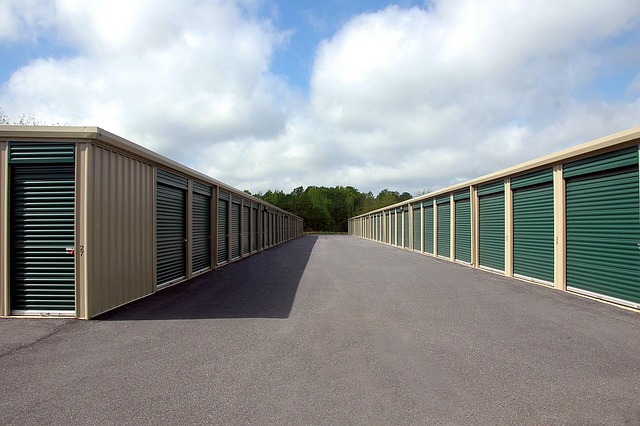

How to Find Mini Storage Near Me
Mini storage has become an essential component of modern business logistics. For companies managing fluctuating inventory, equipment, or documents, local storage facilities offer a flexible and cost-effective solution. The best approach to finding “mini storage near me” is to evaluate operational needs first—location, security, and contract flexibility often determine long-term efficiency. Businesses that integrate nearby storage units into their logistics networks gain faster response times, lower transport costs, and improved scalability.
The Role of Mini Storage in Business Logistics
Mini storage facilities are no longer just for personal use; they now serve as critical nodes in business supply chains. As companies adopt leaner operations, these spaces act as adaptable extensions of warehouses and distribution centers.
The Strategic Importance of Storage Facilities for Businesses
Mini storage units function as flexible extensions of business operations. They allow firms to manage inventory efficiently without committing to large warehouse leases. For example, a small retailer can store excess stock during seasonal peaks without paying for unused space year-round. Proximity to retail hubs or major highways enhances supply chain responsiveness, enabling faster restocking and reducing last-mile delivery times.
How Mini Storage Supports Operational Efficiency
Operational agility depends on the ability to scale quickly. Temporary mini storage solutions let businesses expand or contract space based on demand. This flexibility is vital for industries with seasonal fluctuations such as apparel or consumer electronics. By distributing inventory across multiple smaller facilities near key markets, transportation time shortens and delivery reliability improves. Optimized allocation also cuts idle stock time and minimizes logistics bottlenecks.
Key Factors to Consider When Searching for “Mini Storage Near Me”
Selecting the right facility requires more than checking proximity on a map. Businesses should evaluate how each location aligns with their distribution patterns, security expectations, and financial flexibility.
Location and Accessibility Considerations
The best mini storage sites are those near primary logistics routes or customer clusters. Easy access reduces travel time for pickups and deliveries. Companies should assess local traffic conditions, access hours, and loading dock availability before signing a lease. Facilities close to suppliers or distribution centers can streamline inbound and outbound operations—especially useful for e-commerce fulfillment where speed defines competitiveness.
Security and Infrastructure Standards
Security remains non-negotiable when storing valuable assets or sensitive materials. Modern facilities employ 24-hour surveillance systems, gated access controls, and digital entry logs to deter theft or unauthorized entry. Climate-controlled units protect electronics, pharmaceuticals, or paper records from humidity damage. Fire suppression systems and insurance coverage add another layer of risk mitigation that businesses cannot overlook.
Cost Structures and Contract Flexibility
Pricing models vary widely between providers. Some offer monthly leases suitable for temporary projects; others provide discounts for long-term commitments. Businesses should review hidden fees such as maintenance charges or penalties for late payments. Flexible contracts are particularly beneficial for startups or project-based firms that need short-term scalability without overcommitting financially.
Matching Storage Solutions with Specific Business Needs
Every industry uses mini storage differently depending on its operational rhythm and asset type. Evaluating these differences helps match facility features with real-world requirements.
Storage Requirements by Business Type
Retail Businesses
Retailers often require easily accessible units for frequent stock rotation and quick replenishment cycles. Facilities near city centers reduce downtime between store deliveries.
E-commerce Operations
Online sellers depend on scalable space that adapts to order fluctuations driven by promotions or seasonal demand spikes. Integration with courier services at nearby hubs accelerates last-mile delivery performance.
Service-Based Companies
For contractors or service providers—such as HVAC technicians—mini storage offers secure locations for tools, spare parts, or document archives. Centralized access simplifies dispatching crews across multiple job sites.
Evaluating Facility Features for Operational Alignment
Storage efficiency improves when physical infrastructure supports handling speed. Loading bays allow trucks to unload directly into units; pallet jacks and freight elevators simplify heavy item movement. Digital inventory tracking systems give managers real-time visibility across distributed locations. On-site management ensures quick resolution of logistical issues such as access control failures or maintenance needs.
Leveraging Technology in Locating Optimal Mini Storage Facilities
Technology now drives smarter site selection decisions through data analytics and online platforms that compare facility performance metrics in real time.
Using Data Analytics and Mapping Tools for Site Selection
Geographic information systems (GIS) help identify optimal facility placement by analyzing population density, traffic flow, and proximity to retail zones. Real-time data feeds reveal congestion patterns that affect delivery timing. Predictive analytics can even forecast future space requirements based on sales trends—helping businesses reserve capacity before demand peaks.
Online Platforms and Review Aggregators as Decision Tools
Comparison platforms aggregate user reviews that highlight service reliability and facility cleanliness—two indicators of management quality often overlooked in brochures. Transparent pricing comparisons prevent budget surprises later on. Many providers now offer virtual tours so decision-makers can assess layout suitability without visiting in person—a practical advantage when evaluating multiple “mini storage near me” options simultaneously.
Integrating Mini Storage into Broader Supply Chain Strategies
When properly integrated into logistics planning, mini storage transforms from a passive holding area into an active component of the supply chain network.
Aligning Mini Storage with Distribution Networks
Decentralized mini storage nodes reduce delivery lead times by positioning goods closer to end users. Multi-location strategies enhance resilience against regional disruptions like road closures or supplier delays—a lesson reinforced during recent global supply chain shocks.
Sustainability Considerations in Storage Planning
Energy-efficient lighting systems, motion sensors, and solar-powered infrastructure cut utility expenses while supporting corporate sustainability goals aligned with ISO 14001 environmental standards (ISO). Facilities adopting recycling programs or low-emission transport partnerships further contribute to greener logistics footprints.
Continuous Optimization Through Performance Metrics
Performance tracking is crucial once operations begin. Metrics such as utilization rate, turnover speed, cost per stored unit, and frequency of retrievals reveal inefficiencies early on. Regular audits help maintain alignment between evolving business objectives and actual facility performance over time.
FAQ
Q1: What factors most affect the cost of mini storage near me?
A: Location is the primary driver—urban centers typically charge higher rates due to land value—but unit size, climate control features, and lease terms also influence final pricing.
Q2: How secure are modern mini storage facilities?
A: Most reputable providers use CCTV surveillance, gated keypad entry systems, motion sensors, and insurance-backed protection plans comparable to commercial-grade security standards.
Q3: Can businesses use mini storage as a long-term warehousing solution?
A: Yes, many small enterprises rely on extended leases instead of full-scale warehouses because it reduces overhead while maintaining operational flexibility.
Q4: Are climate-controlled units worth the extra cost?
A: For temperature-sensitive items like electronics or documents prone to humidity damage, climate control prevents costly deterioration over time.
Q5: How can technology improve my search for mini storage near me?
A: Data-driven mapping tools analyze accessibility metrics while online review platforms provide transparency about service quality—making it easier to choose reliable local options without physical visits.