

Nasir Syntax Motors Bets on Local Manufacturing to Drive Bangladesh’s EV Shift
Nasir Syntax Motors is positioning itself as a central force in Bangladesh’s electric vehicle (EV) transformation. The company’s strategic focus on local manufacturing aligns with national goals for industrial modernization and energy sustainability. By developing domestic production capabilities, it aims to reduce import dependency, build technical expertise, and create new value chains within the country’s evolving automotive ecosystem. This approach not only supports economic diversification but also strengthens Bangladesh’s role in South Asia’s emerging EV market.
The Strategic Vision of Nasir Syntax Motors in Bangladesh’s EV Landscape
Nasir Syntax Motors’ plan goes beyond simple vehicle assembly. It seeks to embed EV manufacturing into the broader industrial framework that Bangladesh is currently building through its modernization agenda.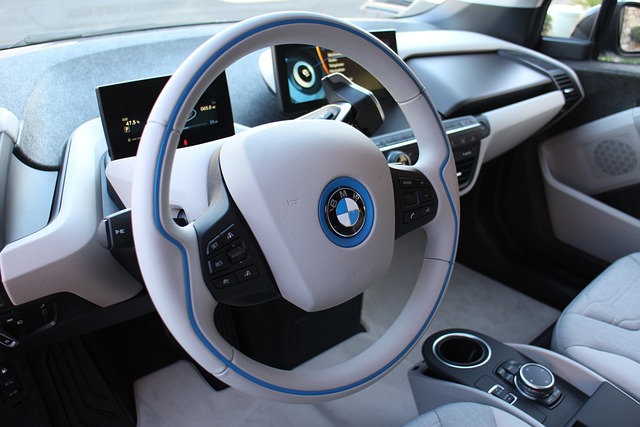
Positioning Within Bangladesh’s Industrial Transformation
The company’s strategy complements government initiatives aimed at improving energy efficiency and reducing emissions. By promoting local EV production, Nasir Syntax Motors contributes to the development of a sustainable industrial base that can compete regionally. Domestic manufacturing also limits reliance on imported automotive technologies, which often increase production costs and trade deficits.
Understanding the Company’s Long-Term Industrial Goals
Nasir Syntax Motors envisions a vertically integrated EV supply chain that spans from battery cells to final assembly. It plans to strengthen local R&D centers focused on electric mobility innovation, ensuring that future models reflect both global standards and local driving conditions. Collaboration with domestic industries will enhance component sourcing and streamline assembly processes, fostering a more resilient manufacturing ecosystem.
The Role of EV Manufacturing in Shaping Bangladesh’s Industrial Ecosystem
As Bangladesh moves toward cleaner transport solutions, EV manufacturing becomes a catalyst for broader industrial growth. The ripple effects extend across supply chains, education systems, and employment markets.
Developing a Localized Supply Chain Infrastructure
The establishment of local facilities for battery assembly, motor production, and electronic control units marks a critical step toward self-sufficiency. Partnerships between manufacturers, universities, and technology firms will accelerate innovation cycles. Over time, industrial clusters dedicated to EV components could emerge around key economic zones, creating regional hubs for advanced manufacturing.
Impact on Employment and Skill Development
The expansion of technical training programs will prepare a workforce capable of supporting an EV-driven economy. Skilled technicians and engineers are essential for battery management systems, power electronics, and smart mobility platforms. Collaboration with international partners can facilitate knowledge transfer while raising local expertise to global standards.
Technological Foundations Behind Nasir Syntax Motors’ EV Vehicles
Nasir Syntax Motors’ engineering philosophy centers on practical innovation suited to Bangladesh’s environment—high humidity, variable road quality, and cost-sensitive consumers all influence design priorities.
Core Engineering Innovations in Vehicle Design
The company integrates energy-efficient drivetrains optimized for urban congestion and frequent stop-start conditions typical of Dhaka traffic. Lightweight materials such as aluminum composites improve both range and durability. Modular architecture allows scalability across multiple vehicle categories—from compact city cars to light commercial vehicles—reducing development time for new models.
Battery Technology and Energy Management Systems
Nasir Syntax Motors employs lithium-based battery systems adapted for tropical climates where heat management is crucial for performance longevity. Research into recycling methods supports sustainability by reusing battery materials locally rather than exporting waste abroad. Intelligent software manages charging cycles efficiently to extend battery life while minimizing grid stress during peak hours.
Economic Implications of Domestic EV Production
A strong domestic EV industry could reshape Bangladesh’s trade profile while stimulating new investment sectors tied to green technology.
Reducing Trade Deficits Through Import Substitution
Producing vehicles domestically reduces dependence on foreign imports that drain foreign exchange reserves. Localized production keeps capital within the economy while meeting rising demand for affordable mobility solutions. As regional neighbors adopt similar clean transport policies, export opportunities could further strengthen Bangladesh’s balance of payments.
Stimulating Ancillary Industries and Investment Flows
Growth in raw material processing—such as copper winding or polymer molding—will support component suppliers. The expansion of charging infrastructure creates new business avenues in power electronics and renewable integration. Public-private partnerships are likely to play a major role in financing these large-scale industrial projects while attracting foreign direct investment into sustainable ventures.
Policy Environment Supporting Bangladesh’s EV Transition
Government policy remains pivotal in shaping how quickly the nation can scale its electric mobility ambitions from pilot projects to mass adoption.
Government Incentives and Regulatory Frameworks
Tax incentives, reduced import duties on parts, and subsidies for manufacturers encourage early investment in the sector. Establishing safety and performance standards ensures consumer confidence while aligning local products with international benchmarks such as ISO 6469 or IEC 61851 standards governing electric vehicle safety and charging systems.
Integration With National Energy Strategy and Sustainability Goals
Electric mobility initiatives tie directly into national renewable energy targets under Vision 2041 plans. As the grid modernizes with solar integration projects supported by IRENA data showing rapid photovoltaic cost declines globally, synergy between clean power generation and transport electrification becomes vital. These steps also contribute toward fulfilling commitments under global climate agreements by lowering per-capita emissions through transport electrification.
Challenges and Strategic Pathways Ahead for Nasir Syntax Motors
Despite significant progress, several structural challenges remain before full-scale transformation occurs across Bangladesh’s automotive landscape.
Addressing Infrastructure Limitations and Market Readiness
Charging infrastructure remains limited outside major cities. Expanding networks along highways will be essential for rural adoption of ev vehicles. Consumer hesitation about maintenance costs or reliability persists; therefore, after-sales service networks must be built early to secure long-term trust among first-time buyers.
Future Prospects for Innovation-Led Industrial Growth
Nasir Syntax Motors could emerge as a regional technology leader if it continues investing in advanced materials research such as solid-state batteries or smart factory automation based on Industry 4.0 principles defined by ISO/IEC standards. Continuous adaptation to evolving global norms will determine whether Bangladesh can transition from being an assembler to an exporter of high-value electric technologies within South Asia’s growing market.
FAQ
Q1: What makes Nasir Syntax Motors different from other automakers in Bangladesh?
A: Its focus on full-cycle domestic manufacturing—from R&D to assembly—sets it apart by embedding technological capability within the country rather than relying solely on imports.
Q2: How does local EV production help reduce trade deficits?
A: Producing vehicles locally retains foreign exchange that would otherwise go toward importing finished cars or components.
Q3: What challenges does the company face regarding infrastructure?
A: Limited charging availability outside urban centers remains a major barrier alongside consumer awareness about long-term maintenance costs.
Q4: Are government policies supportive of this transition?
A: Yes, tax incentives, import duty exemptions on critical components, and safety standardization efforts all support early-stage industry growth.
Q5: How might Nasir Syntax Motors influence regional markets?
A: By developing scalable technologies suited for tropical climates and cost-sensitive users, it could export both vehicles and technical expertise across South Asia.