
China Solar PV Prices Remain Under Pressure as Module Market Weakens
China’s solar photovoltaic (PV) module market is undergoing a sustained price correction. Persistent oversupply, rapid capacity expansion, and muted global demand have forced manufacturers into a prolonged period of margin compression. The decline in solar cost is structural rather than cyclical, driven by technological shifts and evolving global trade dynamics. Industry experts now view this phase as a necessary adjustment toward higher efficiency and sustainable competitiveness.
Dynamics of China’s PV Price Declines
The Chinese PV market has entered a stage where price adjustments are no longer short-term responses to demand shocks but part of a deeper transformation in industrial structure. The interplay between supply chain maturity, export saturation, and domestic policy evolution defines the current trajectory.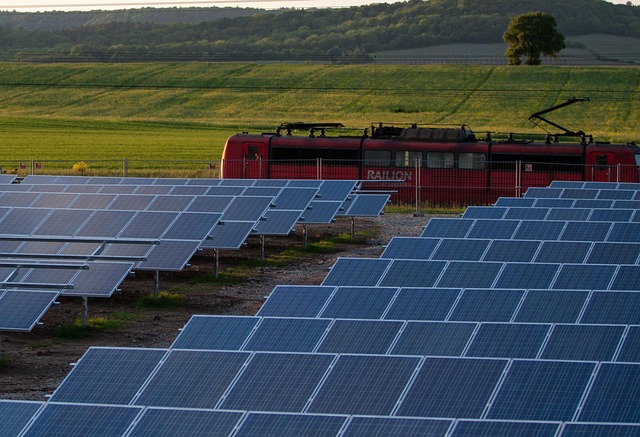
Overview of Current Market Conditions
China’s PV module prices continue to face downward pressure as production capacity far exceeds installation demand. Oversupply has led to intense price competition among top-tier firms, with some modules selling near or below production cost. This trend reflects not only short-term imbalance but also the transition toward more efficient N-type technologies and integrated manufacturing models. The industry is recalibrating from volume expansion to efficiency-driven growth.
The Role of Global Demand and Export Trends
Global demand fluctuations strongly influence domestic pricing. As overseas markets such as Europe and Southeast Asia approach saturation, Chinese exports face reduced absorption capacity. Trade barriers and tariffs in key destinations have further constrained export competitiveness, leading to surplus inventory in domestic channels. Weak external demand amplifies internal price compression, forcing producers to seek differentiation through technology rather than scale alone.
Assessing Solar Cost as a Key Price Driver
The evolution of solar cost remains central to understanding China’s PV pricing mechanism. Cost reductions have historically underpinned the country’s dominance in global solar supply chains, yet the pace of decline has begun to slow as technological frontiers tighten.
Breakdown of Solar Production Costs in China
The main components shaping solar cost include polysilicon, wafers, cells, and modules. Vertical integration allows large manufacturers like LONGi or JinkoSolar to reduce marginal costs by optimizing internal supply flows. Energy efficiency improvements across upstream processes—especially in wafer slicing and cell conversion—have trimmed electricity consumption per watt produced. These cumulative savings sustain competitiveness even amid falling market prices.
The Impact of Technological Advancements on Cost Reduction
Technological innovation remains the single most effective lever for lowering production costs. The shift from P-type to N-type cells has raised conversion efficiency while reducing degradation rates over time. Automation and digital monitoring systems streamline factory operations, minimizing defects and labor intensity. Material advances such as thinner wafers and improved encapsulants also cut waste while maintaining performance stability—a crucial factor when margins are razor thin.
Supply Chain Dynamics and Their Influence on Pricing
Price formation in China’s PV sector cannot be separated from its vast supply chain ecosystem. Each tier—from raw materials to module assembly—interacts dynamically with global commodity cycles and domestic investment patterns.
Raw Material Price Fluctuations
Polysilicon remains the most volatile input influencing module prices. Periods of tight supply can trigger temporary spikes that ripple through downstream segments; conversely, oversupply results in steep declines that squeeze upstream profitability. Strategic sourcing agreements among major producers help stabilize costs but smaller players often lack such buffers, making them more vulnerable during downturns.
Manufacturing Capacity Expansion and Its Effects
Rapid capacity expansion across every stage—from ingots to finished panels—has intensified competition within an already crowded field. While economies of scale lower unit costs, they also contribute to chronic overproduction that depresses average selling prices. Consolidation pressures are mounting as financially weaker firms struggle to sustain operations under prolonged low-price conditions.
Market Competition and Policy Environment
Competition among Chinese PV manufacturers has evolved from subsidy-driven expansion toward pure cost-based rivalry under tightening policy oversight.
Competitive Landscape Among Chinese PV Manufacturers
Tier-one manufacturers leverage strong balance sheets and advanced process control to maintain output even at minimal margins. Their aggressive pricing strategies aim at securing long-term market share rather than immediate profit recovery. Smaller firms increasingly exit or merge as consolidation accelerates—a pattern reminiscent of earlier phases in China’s steel or battery industries.
Government Policies and Their Influence on Pricing Structure
Policy shifts have redefined competitive priorities within the sector. As national subsidies phase out, provincial programs now emphasize technological upgrading over production volume growth. Alignment with carbon neutrality goals encourages sustained R&D investment instead of short-term expansionism, gradually steering the industry toward quality-focused development.
External Factors Affecting Price Movements Beyond Solar Cost
Beyond direct production economics, macroeconomic variables exert significant influence on module pricing trends through currency movements, logistics disruptions, and alternative energy competition.
Global Economic Conditions and Currency Fluctuations
Exchange rate volatility affects export profitability for Chinese manufacturers whose contracts are often denominated in U.S. dollars or euros. Inflationary pressures raise input costs across metals, glass, and freight services—offsetting some gains from lower material prices. Logistics constraints occasionally add unpredictable surcharges that distort near-term pricing signals.
Shifts in Energy Market Dynamics and Alternative Technologies
Declining energy storage costs reshape system-level economics by improving dispatchability for solar projects, thereby influencing total project valuations rather than module prices alone. Meanwhile, investment competition from wind power or nuclear energy affects capital allocation within national energy portfolios, indirectly moderating PV deployment pace.
Future Outlook for China’s PV Pricing Mechanism
Looking ahead, the Chinese solar industry faces both opportunity and constraint: continuous innovation promises incremental cost relief but structural overcapacity will likely persist until global demand catches up with supply-side ambitions.
Evolving Cost Structures in the Next Development Phase
Future cost trajectories will hinge on balancing material efficiency with technological sophistication. Continuous R&D spending is expected to sustain moderate declines even if raw material prices rise cyclically. The focus will increasingly shift toward optimizing total lifecycle costs—including recycling efficiency and operational reliability—rather than chasing headline module price reductions alone.
Strategic Implications for Global Solar Markets
Persistent low-cost Chinese modules continue to set global benchmarks that challenge international competitors to innovate beyond price-based competition. Manufacturers outside China are responding through regionalized production strategies or differentiated product offerings emphasizing durability or local content compliance. Long-term competitiveness will depend on maintaining innovation momentum while preserving sustainable margins across volatile cycles.
FAQ
Q1: Why are China’s solar module prices falling so sharply?
A: Oversupply from rapid capacity expansion combined with weak overseas demand has created persistent downward pressure on module prices across all technology types.
Q2: How does solar cost influence overall market trends?
A: Solar cost directly determines manufacturers’ ability to compete globally; lower production expenses enable sustained exports even during periods of price compression.
Q3: What role do government policies play in shaping pricing?
A: Recent policy changes prioritize technology advancement over subsidies, encouraging firms to compete through efficiency rather than volume alone.
Q4: Are technological improvements enough to offset price declines?
A: Yes, advancements like N-type cell adoption improve energy yield per watt produced, partially compensating for falling market prices through better performance ratios.
Q5: What is the long-term outlook for China’s PV industry?
A: Continued consolidation is expected alongside gradual stabilization of prices as innovation-driven cost reductions align more closely with realistic global demand growth trajectories.