
How Much Does An Off-Grid Solar System Cost?
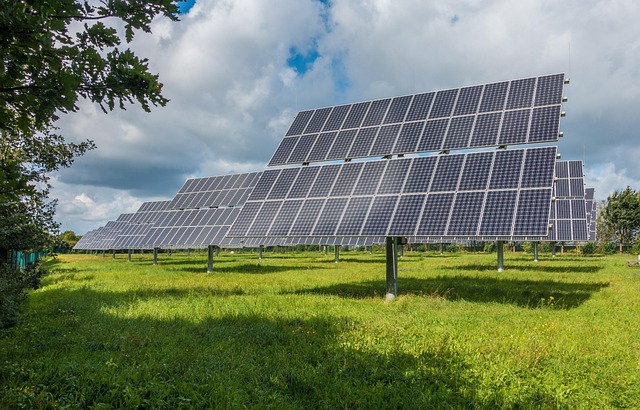
The cost of an off grid solar system varies widely depending on capacity, component quality, and installation complexity. For a small home setup, prices typically start around $10,000, while large-scale systems for full energy independence can exceed $60,000. The main drivers are battery storage size and panel efficiency. Over time, falling lithium-ion prices and improved inverter technologies have made these systems more affordable per watt. Yet, the upfront investment remains substantial because off-grid setups must generate and store all required energy without utility backup.
Understanding the Cost Structure of an Off-Grid Solar System
Evaluating the cost structure of an off grid solar system requires dissecting its hardware and design elements. Each component—from panels to batteries—plays a role in determining both upfront and long-term expenses.
Key Components That Define System Pricing
An off grid solar system consists of solar panels that capture sunlight, batteries that store energy, charge controllers that regulate power flow, inverters that convert DC to AC electricity, and wiring that connects all parts. Higher-grade components from established brands often come with premium pricing but deliver better durability and efficiency over time. Complex designs, such as those including hybrid backup generators or multiple load circuits, typically increase labor costs during installation and raise maintenance demands later.
Typical Cost Ranges for Different System Sizes
Small residential systems (1–3 kW) often cost between $10,000 and $20,000. Medium hybrid setups (5–10 kW) range from $25,000 to $40,000. Large-scale installations above 15 kW can surpass $60,000 due to higher battery capacity and control equipment needs. Energy demand measured in kilowatt-hours per day directly influences system sizing: higher loads require more panels and larger storage banks. Larger systems usually benefit from economies of scale that reduce cost per watt.
Factors Influencing Off-Grid Solar System Costs
Off grid solar system costs are shaped not only by hardware but also by geography, environmental conditions, and energy storage choices. These variables determine how efficiently the system performs throughout its lifespan.
Geographic and Environmental Considerations
Regions with high solar irradiance need fewer panels to achieve the same output as cloudy areas. Temperature swings also matter: extreme heat can degrade panel performance while cold climates can affect battery chemistry. In remote or mountainous terrain, transportation logistics add to total project costs since heavy batteries and panels must be moved safely to site locations.
Energy Storage Requirements and Battery Selection
Battery choice is central to overall cost. Lead-acid batteries are cheaper initially but require frequent replacements after about five years. Lithium-ion batteries have longer life cycles—often exceeding ten years—and higher depth of discharge rates near 80–90%, though they cost more upfront. Emerging technologies like sodium-ion or solid-state batteries may alter future pricing trends by offering better cycle life at lower maintenance.
Inverter Capacity and System Efficiency
The inverter must match expected load peaks; oversizing wastes money while undersizing limits performance. Pure sine wave inverters provide cleaner power for sensitive electronics but are more expensive than modified sine types. When integrated with backup generators or hybrid configurations, inverter capacity planning becomes crucial for maintaining efficiency across different operating modes.
Installation, Labor, and Regulatory Costs
Beyond hardware procurement, installation quality determines reliability and safety compliance. Labor rates vary significantly across regions and influence total project budgeting.
Professional Installation vs DIY Approaches
Hiring certified installers ensures adherence to electrical codes such as those defined by IEC or IEEE standards. Professional work often includes warranties covering workmanship and equipment integration issues. DIY installations may save labor expenses but risk voiding manufacturer warranties or failing inspection requirements if improperly executed.
Permitting, Inspection, and Compliance Expenses
Local jurisdictions may require permits for electrical work or environmental assessments before commissioning an off grid solar system. Fees cover application reviews and on-site inspections verifying code compliance. Aligning projects with national renewable energy standards can increase administrative costs but guarantees eligibility for incentives or rebates where available.
Long-Term Financial Considerations for Off-Grid Systems
While initial investments are high, long-term economics depend on maintenance frequency, replacement intervals, and potential savings from avoided fuel or utility bills.
Maintenance and Replacement Costs Over Time
Solar panels generally last over 25 years with minimal upkeep aside from cleaning dust buildup on surfaces. Batteries usually need replacement every 8–12 years depending on usage cycles. Inverters may require servicing after a decade due to thermal wear on internal components. Predictive maintenance using smart monitoring tools helps detect early faults before failures escalate into costly downtime.
Return on Investment (ROI) and Payback Periods
ROI calculations weigh capital expenditure against avoided electricity bills or generator fuel savings over time. Government tax credits or subsidies shorten payback periods considerably in some regions. For remote cabins relying solely on diesel generators previously spending thousands annually on fuel transport, switching to solar can yield payback within seven years under stable sunlight conditions.
Strategies to Optimize Off-Grid Solar System Costs Without Compromising Quality
Reducing expenses without cutting corners involves accurate design planning and adopting efficient technology solutions suited for local conditions.
Smart Design Choices for Cost Efficiency
Accurate load assessment prevents oversizing which inflates costs unnecessarily. Modular expansion allows users to start small then scale up later as demand grows rather than overspending upfront. Sourcing components locally reduces shipping fees especially for bulky items like batteries or mounting frames.
Leveraging Technological Advancements in Solar Energy Systems
Modern MPPT (Maximum Power Point Tracking) controllers maximize energy harvest even under variable light conditions improving daily yield efficiency by up to 30% compared with older PWM types. Smart monitoring platforms now let owners track generation data remotely via mobile apps enabling quick response when performance drops unexpectedly. High-efficiency monocrystalline panels further cut total footprint needs while maintaining strong output suitable for limited roof spaces or compact ground arrays.
FAQ
Q1: What is the average lifespan of an off grid solar system?
A: Most systems last over 20 years; panels often exceed 25 years while batteries typically need replacement every 8–12 years depending on usage cycles.
Q2: Can an off grid solar system power an entire house?
A: Yes, if properly sized based on daily energy consumption including peak loads such as air conditioning or heating appliances.
Q3: Are there government incentives available for off grid systems?
A: Many regions offer tax credits or grants through renewable energy programs though eligibility depends on compliance with national standards.
Q4: How much maintenance does an off grid solar setup require?
A: Routine cleaning of panels twice yearly plus periodic checks of battery connections ensure optimal operation; advanced monitoring helps predict issues early.
Q5: Is it cheaper to build a DIY off grid solar system?
A: DIY options reduce labor costs but may lead to safety risks or warranty voids if not installed following professional electrical codes like IEC guidelines.