
Clean renewable energy is no longer only a climate message. It is now a normal buying option for factories, EPC teams, distributors, and project owners that want steadier power costs and lower emissions. If you are checking solar, wind, storage, or hybrid systems, the wider clean energy market is a useful place to start, especially when you want project facts instead of sales talk.
Why Does Clean Renewable Energy Matter for Buyers Now?
The shift is happening because electricity demand keeps going up, while buyers want cleaner supply, shorter project work, and better cost control. The market is now too large to treat clean renewable energy as a small extra option. For many sites, it should be part of the first discussion when a serious power plan is being made.
Global Capacity Is Moving Quickly
According to IRENA Renewable Energy Statistics 2026, released in July 2026, annual renewable capacity additions reached 693 GW in 2025. By the end of 2025, installed renewable capacity stood at 5.2 TW, equal to 49.5% of global power capacity. Renewables also made up 85.7% of total capacity expansion in 2025. The reason is not hard to see: solar and wind supply chains are more developed now, and many countries want more local power. Renewable energy is not a small market waiting for proof anymore.
Electricity Markets Are Changing
The International Energy Agency Global Energy Review 2026 reported that renewables supplied 34% of global electricity generation in 2025, up from 32% in 2024 and 23% a decade earlier. Wind and solar together reached 17% of global generation. For a buyer, this means suppliers, utilities, and grid operators are already dealing with higher renewable shares in daily work. The question is no longer whether renewables can work; it is how they fit your load, tariff, and reliability needs.
Buyer Expectations Are Getting More Practical
Customers used to ask for a green label. Now they ask for meter data, bill savings, CO₂ reporting, warranty papers, and proof that the system can keep running after a dusty summer or a windy winter. That is a better market for serious buyers. If you export to brands with carbon targets, clean power can help your sales case, but only when the project is measured and recorded in a clear way.
Which Sources Count as Clean Renewable Energy?
Clean renewable energy usually means power from naturally replenished sources with low operating emissions. Even so, not every project with a renewable label is clean in actual use. Buyers still need to check the resource, the site, the equipment, and the way the project is built and operated.
Solar Power for Daytime Loads
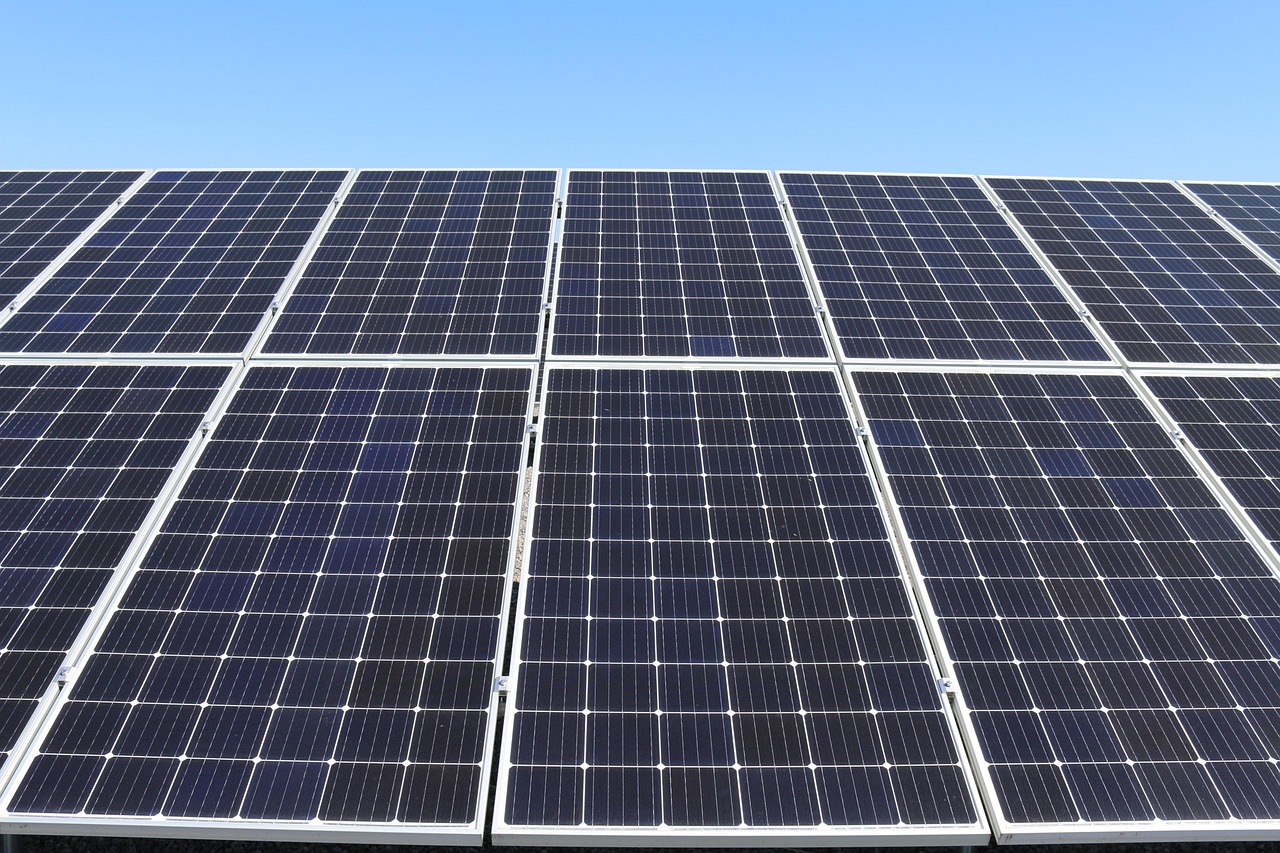
Solar PV is often the easiest first step for commercial users because many factories, warehouses, and offices use a lot of electricity during daylight hours. Rooftops, carports, and nearby land can all be used if the conditions are right. A good design checks roof strength, shading, inverter layout, cable distance, fire access, and local export rules. A 500 kW or 1 MW rooftop system may sound common now, but small design mistakes can still reduce output for twenty years.
Wind Power for Large-Scale Supply
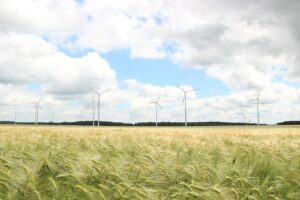
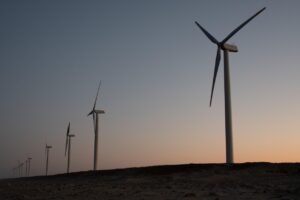
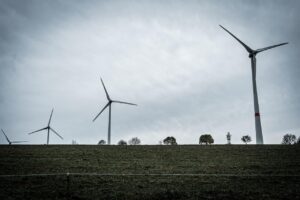
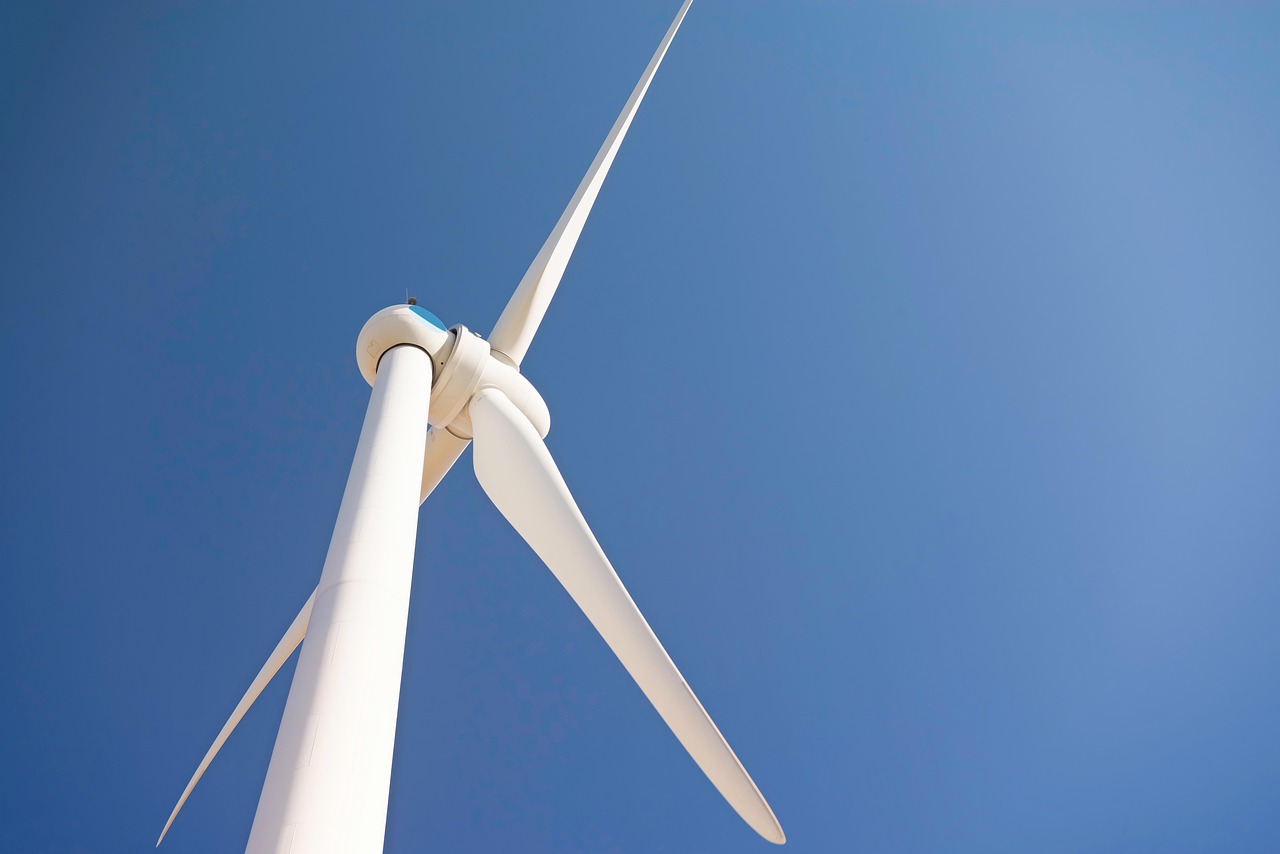
Wind power works best when the wind resource is good and the project scale is large. Many businesses buy wind through a utility program, green tariff, or power purchase agreement instead of building turbines on-site. Wind can also match well with solar in some regions because it may produce more at night or in other seasons. For heavy users, that mix can reduce dependence on one weather pattern.
Hydro, Geothermal, and Bioenergy With Careful Screening
Hydropower, geothermal, and some bioenergy projects can provide steadier output than solar or wind. They can be useful, but the site details matter a lot. Hydro can affect rivers and local communities. Geothermal depends on the local resource. Bioenergy should use responsible feedstock, not materials that cause land-use or air-quality problems. The cleanest project is not just renewable on paper; it also has to fit the local place.
How Does Clean Renewable Energy Compare With Fossil Power?
Fossil power still supports many grids, so the comparison should stay fair. Clean renewable energy has clear strengths, but it also needs grid access, planning, and sometimes storage. Good projects are built on site data, not on simple slogans.
Lower Operating Emissions
Solar and wind do not burn fuel while generating electricity, so their operating emissions are much lower than coal or gas plants. The U.S. EPA Greenhouse Gas Equivalencies Calculator, updated with eGRID-based factors, also shows why location matters: avoided emissions depend on the grid electricity being displaced. For carbon claims, use regional grid factors or measured project output. Do not rely on a generic number copied from a brochure.
Competitive New-Build Costs
Lazard’s June 2025 Levelized Cost of Energy+ report found that utility-scale solar and onshore wind remained the most cost-effective new-build generation sources on an unsubsidized basis in the U.S. The same report noted that new gas combined-cycle generation reached a 10-year high LCOE. This does not mean every renewable project will be cheap by default. Land, interconnection, financing, curtailment, and import duties can all change the final price. Still, the old view that clean power always costs more is no longer correct.
Less Fuel Price Exposure
A solar or wind project has no daily fuel invoice. You pay more at the beginning, then depend on sunlight, wind, maintenance quality, and grid rules. That can make budgeting easier for a plant or property owner. It is a bit like buying a freezer instead of buying ice every day: the freezer still needs power and service, but you are not exposed to the same delivery and fuel price swings.
What Should You Check Before Buying a System or Contract?
A clean renewable energy project is still an energy project. The wrong size, weak component choice, or slow grid approval can turn a good idea into a difficult job. Before asking for the lowest price, ask for the facts that affect performance and risk.
Your Load Shape and Peak Hours
Start with at least 12 months of electricity bills. If possible, get 15-minute or hourly load data as well. A site with high daytime demand may use solar directly and save more on retail electricity. A site with night production may need wind supply, storage, or a contract that matches off-site generation. Peak demand charges can matter as much as total kWh, especially for factories with motors, compressors, chillers, or EV charging.
Site Conditions and Grid Rules
Check roof age, available land, soil condition, wind exposure, transformer size, cable route, and fire access. Then check the local rules for permits, net metering, export limits, and grid connection. Many renewable projects are not delayed by panels or turbines. They are delayed by paperwork, a full feeder, or one missing study from the utility. It is boring work, but ignoring it can become expensive.
Certificates, Warranties, and Supplier Track Record
Ask for product certifications, performance warranties, degradation terms, inverter warranty coverage, and after-sales support details. For international procurement, buyers often need IEC, UL, CE, or other market-specific documents. You should also ask where similar equipment has operated, how long it has been running, and what climate it has faced. A supplier with real field data is easier to judge than one with only a nice catalog. See also: EVs.
How Do Storage and Grid Design Make Renewables More Reliable?
Solar and wind are variable, but variable does not mean they are useless. Reliability comes from storage, smart controls, grid planning, and a backup plan that fits your risk level. This is the part where many buyers either save money or spend it in the wrong place.
Batteries for Shifting Solar Energy
The IEA reported in May 2026 that global battery storage additions reached 108 GW in 2025, up about 40% from 2024. Utility-scale batteries accounted for around 87 GW. The same analysis said battery costs fell by more than 90% between 2010 and 2025, and energy shifting became the main use for new battery projects. In simple terms, batteries are being used more often to move noon solar power into evening demand hours.
Smart Controls for Demand Peaks
Energy management software can move flexible loads without changing the whole business process. EV chargers, HVAC systems, water pumps, cold storage, and some production steps may shift by minutes or hours. That can reduce peak charges and make more room for renewable energy on-site. It is not the most visible equipment in the project, but it can improve the return in a quiet, steady way.
Transmission and Interconnection Planning
The IEA Electricity Grids and Secure Energy Transitions report said the world needs to add or replace more than 80 million kilometers of grids by 2040 to meet national climate and energy goals. That is about the size of the entire existing global grid. For a business buyer, the point is local and practical: ask about grid capacity early. A strong project on a weak connection will still run into trouble.
How Can a Business Start With Clean Renewable Energy?
You do not need to solve every energy issue in one contract. A staged plan is often safer for buyers. Start with measured demand, choose a first project that fits the site, and leave room for storage or off-site procurement later.
A Simple Energy Audit
List your main loads, operating hours, monthly kWh, peak demand, outage history, and tariff structure. Add planned changes such as new production lines, heat pumps, or EV fleets. This basic spreadsheet may look too simple, but it prevents a common mistake. Many buyers size a system for last year’s factory, while next year’s demand may be very different.
A Pilot Project With Clear Metrics
A pilot can be a rooftop solar array, a battery for peak shaving, a green power contract, or a hybrid system for a remote site. Set simple metrics before signing, including expected kWh, self-consumption rate, avoided cost, downtime, and CO₂ calculation method. If reliable data is not available for a claim, keep that point internal. It should not go into sales material until the numbers can support it.
A Long-Term Procurement Plan
Many businesses end up using a mix: on-site solar for daytime power, batteries for peaks, a power purchase agreement for volume, and certificates for residual emissions reporting. The right blend depends on market rules and your risk appetite. A useful plan should show total cost, supplier risk, maintenance duty, carbon reporting value, and the next decision point. That makes the plan easier to update when prices, tariffs, or site demand change.
FAQ
Q1: What Is Clean Renewable Energy? A: Clean renewable energy is power from replenished sources such as solar, wind, hydro, geothermal, and carefully managed bioenergy, with low operating emissions and responsible project design.
Q2: Is Renewable Energy Always Clean? A: Not always. A project should be checked for land impact, water use, air emissions, sourcing, recycling, and local community effects. The label alone is not enough.
Q3: Can Clean Renewable Energy Power a Factory at Night? A: Yes, but it needs the right mix. Options include battery storage, wind power, grid supply, hydro or geothermal resources, and off-site power purchase agreements.
Q4: How Fast Can a Business See Savings? A: It depends on tariffs, sunlight or wind resource, financing, tax rules, and grid limits. Some rooftop solar projects lower bills after commissioning, but payback periods vary by site.
Q5: What Should You Ask a Supplier First? A: Ask for a 12-month production estimate, equipment certificates, warranty terms, interconnection support, maintenance plan, and real project references in similar conditions.