
What Is a Clean Energy Center?
A clean energy center is a working hub where a site plans, installs, checks, and explains cleaner power systems. For a factory, office park, campus, or logistics site, it can bring solar PV, battery storage, EV charging, energy data, and staff training into one place. If you are comparing options for clean energy, this kind of center helps turn a general target into a project with figures people can see and use.
A Practical Hub for Power Projects
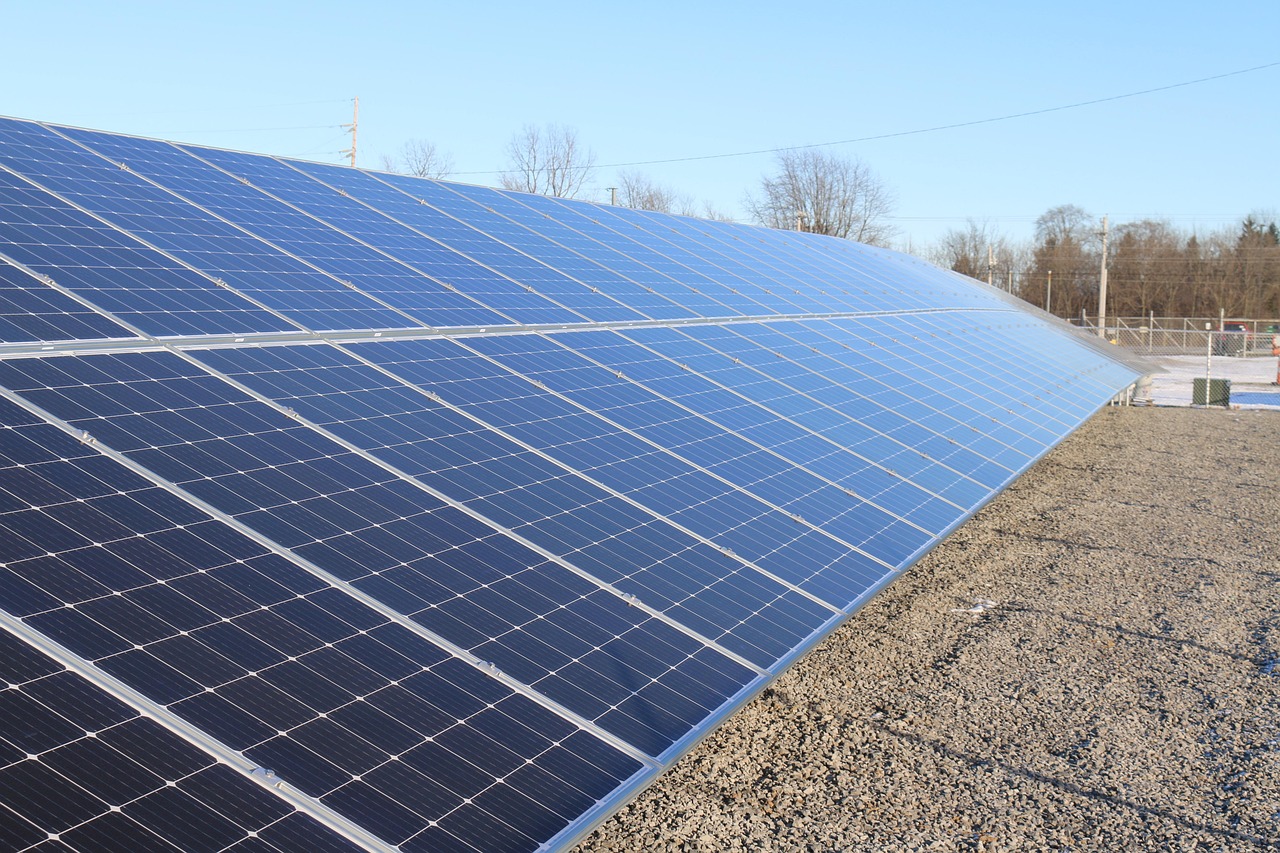
Think of the center as the control room and display area for your energy plan. It may include rooftop solar, ground-mounted PV, battery cabinets, inverters, meters, chargers, and a small area for visitors or staff briefings. The value is not in a special building design. The value is that your power assets, operating data, and daily rules are kept together. That helps when a production manager asks whether a battery should cut a peak load now or stay ready for a grid outage later.
Shared Data Room and Control Point
A useful clean energy center should show real-time output, grid purchases, battery state of charge, load peaks, and carbon data. U.S. National Renewable Energy Laboratory materials, including the 2024 Annual Technology Baseline, list project figures such as capital cost, operation and maintenance cost, capacity factor, and levelized energy cost. These are not only engineering words. They are the same figures your finance team will check before they approve a project.
Training Space for Real Users
Clean power equipment runs better when the people on site know what it is doing. A center can be used to train maintenance staff, safety teams, buyers, and visiting customers. Small items still matter here. Labels on DC combiner boxes, safe battery access rules, fire clearances, and an alarm response list can stop a lot of confusion later. It is like a tidy workshop: clear labels and neat cables look ordinary until something trips near the end of a shift.
Why Does a Clean Energy Center Matter Now?
The clean energy market is no longer only about pilot projects. Buyers now ask about power risk, operating cost, carbon records, and delivery stability. A clean energy center gives you hardware and data to answer those questions, instead of relying only on a sustainability line in a brochure.
Faster Renewable Growth
The International Energy Agency reported in Global Energy Review 2025 that global renewable capacity additions reached about 700 GW in 2024, up roughly 25% from the prior year. Solar PV supplied more than three quarters of those additions, while wind supplied about 17%. That points to a clear market direction. If a site still treats clean power as a side issue, it may already be behind suppliers that use it for cost control and customer reporting.
Lower Technology Costs
Cost is often the reason a project finally moves out of meetings and into site work. The International Renewable Energy Agency reported in September 2024 that the global weighted average cost of newly commissioned utility-scale solar PV fell 12% from 2022 to 2023. It also reported that battery storage project costs dropped 89% between 2010 and 2023. Prices still depend on country, labor, grid rules, and financing, but the long-term cost trend is much easier to discuss now.
Tighter Carbon and Resilience Pressure
Carbon is now a business issue, not only an environmental topic. The U.S. Energy Information Administration reported that U.S. utility-scale power plants generated about 4.18 trillion kWh in 2023 and released about 1.53 billion metric tons of CO2. Fossil-fueled plants supplied about 60% of that utility-scale generation but caused about 99% of related CO2 emissions. A center that records clean generation, load shifting, and backup operation gives you better support when customers ask how your products are made.
Which Technologies Should Your Clean Energy Center Include?
There is no single package that fits every site. A cold-storage warehouse, a hotel, and a metal parts plant use electricity in different ways. Even so, most clean energy centers are built from three basic layers: generation, storage, and control. It is better to get those layers right first, then add extra functions where they are useful.
Solar PV as the Daytime Workhorse
Solar PV is often the first asset people notice because it is modular and easy to explain. Roofs, carports, and spare land can all become generation space if the site conditions work. The U.S. Energy Information Administration Electric Power Annual for 2024 recorded total U.S. electricity generation of about 4.31 trillion kWh, with natural gas still the largest source at about 1.87 trillion kWh. That background matters because on-site PV can cut daytime grid purchases even when the wider grid still has a mixed fuel base.
Battery Storage for Peaks and Outages
Batteries can handle several jobs on a business site. They can store solar output for evening use, reduce short peak demand, support EV chargers, and keep key loads running through brief outages. Do not buy a battery only because it looks modern. Size it against your load curve, tariff, outage history, and fire code. A four-hour battery that suits a commercial building may not suit a process plant with long evening loads. The plain load chart usually gives the right answer.
Energy Management for Loads and Data
Energy management software connects generation and demand. It can schedule charging, flag unusual consumption, and show whether a compressor, chiller, or line motor is creating a peak. The U.S. Department of Energy describes renewable integration as the use of renewable energy, distributed generation, energy storage, thermally activated technologies, and demand response within transmission and distribution systems. In day-to-day site language, clean power is not only about producing electricity. It is also about sending it to the right load at the right time.
How Can You Plan a Clean Energy Center for a Business Site?
A good plan starts with the site, not with a product catalog. Before equipment selection, you need load data, space checks, utility rules, safety review, and a clear reason for spending the money. This can feel slow at the start. In practice, it often prevents months of redesign and arguments later.
Load Profile Before Equipment Lists
Collect at least 12 months of bills, interval meter data if you have it, and notes on planned new loads. EV chargers, heat pumps, added production lines, or a new freezer room can change the whole design. You should also mark critical loads, such as servers, security systems, emergency lighting, and process equipment. No reliable public dataset can predict your payback without this site-level information, so any fixed payback claim made before a load study should be checked carefully.
Site Design Around Roofs, Land, and Grid
Check roof age, structure, shading, drainage, and fire access before solar layout work starts. For ground systems, review soil, fencing, vehicle routes, and future building plans. For batteries, plan ventilation, clearances, protection, and emergency access early. Utility interconnection can be the slowest step in some regions, so do not leave it to the end. A clean energy center should keep a grid study folder, single-line diagrams, equipment certificates, and a plain contact list for the utility and local authority. See also: EVs.
Procurement Steps That Avoid Surprises
A useful bid package should state your energy goals, available site data, warranty needs, monitoring needs, and required standards. Ask suppliers to separate equipment, installation, commissioning, software, and maintenance costs. This makes bids easier to compare and reduces unclear items during contract talks. You can also request these items:
- PV module and inverter datasheets with warranty terms.
- Battery safety documents, cycle-life assumptions, and usable capacity.
- Monitoring screen examples for finance and facility teams.
- Commissioning test plans for grid export, islanding, alarms, and shutdown.
- Annual service scope, response time, spare parts, and training hours.
This list is not exciting, but it is where many project problems are found before they become expensive.
What Benefits Can You Measure After Launch?
After launch, the center should prove its value with numbers that managers can read. If nobody checks the data after the opening photo, much of the value is lost. Set a monthly review habit and keep the dashboard simple enough for people outside the engineering team.
Lower Grid Purchases and Peak Charges
Solar can reduce daytime imports, while storage can trim peaks when the tariff rewards that use. The result depends on load shape, local rates, weather, and system size. The International Renewable Energy Agency also estimated that renewable capacity added since 2000 reduced electricity sector fuel costs by at least USD 409 billion in 2023. That global figure is not the same as your site savings, but it explains why many buyers now treat clean power as cost control, not only climate action.
Cleaner Power with Traceable Data
Customers often want proof, especially in export markets. A clean energy center can keep monthly PV generation, battery operation, grid import, and avoided-emissions calculations in one place. Use recognized emission factors and state the method you used. Avoid loose claims such as zero carbon if the site still imports grid electricity at night. Clear numbers carry more weight than perfect slogans. They also help sales teams answer buyer questionnaires without asking the facility manager for the same data every week.
Reliable Operations Through Good Partners
Good partners make the center easier to operate after handover. Look for proven hardware, clear warranties, safety training, and real commissioning tests. Ask who answers alarms, who updates software, and who checks performance after the first summer and winter. The Department of Energy notes that renewable integration can lower peak load costs and improve reliability and resiliency through microgrid applications. That benefit only appears when design, controls, and maintenance work together in daily operation.
FAQ
Q1: What Does a Clean Energy Center Do? A: It brings clean generation, storage, monitoring, training, and reporting into one working hub so you can manage power use and explain results clearly.
Q2: Is a Clean Energy Center Only for Large Companies? A: No. A small site may start with PV, monitoring, and basic training. Larger sites may add batteries, EV charging, microgrid controls, and visitor displays.
Q3: How Long Does Planning Usually Take? A: Timing depends on site data, permits, utility interconnection, equipment supply, and construction limits. A careful feasibility stage often saves time later.
Q4: Which Source Should Be Added First? A: Solar PV is often the first step, but the right choice depends on your load profile, tariff, roof or land space, and backup needs.
Q5: How Can You Prove Carbon Benefits? A: Track actual generation, grid imports, storage behavior, and accepted emission factors. Use source names, dates, and calculation notes so buyers can check the claim.