
Balcony Solar Near Me: Find UK Installers & Kits 2026
Balcony solar installations are reshaping the UK’s approach to urban energy generation. Compact photovoltaic kits and localized installer networks are enabling city residents to contribute to the renewable transition without rooftop access. By 2026, “solar near me” searches will drive hyperlocal installation models, matching certified providers with balcony-ready systems that meet structural and regulatory standards. The trend signals a shift toward decentralized microgeneration, where even small spaces can produce measurable energy output.
The Evolution of Balcony Solar Installations in the UK
Urban environments are being reimagined as active participants in distributed solar generation. With limited roof area and rising energy costs, balconies are becoming practical sites for photovoltaic integration.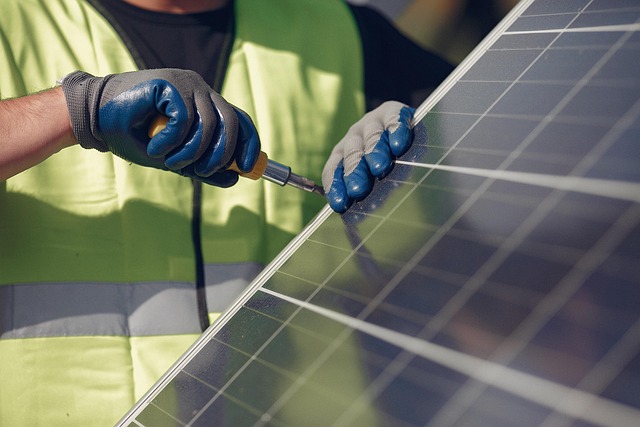
Shifting Perspectives on Urban Solar Integration
Increased urban density has made balcony-based solar systems more appealing to residents seeking partial energy independence. Engineers now assess how modular panels can adapt to existing railings and façades without major structural changes. The latest modular designs use lightweight frames and plug-in microinverters that allow flexible mounting angles and simplified electrical connections. This evolution supports cities like London or Manchester, where space constraints once limited adoption.
Policy and Regulatory Developments Influencing Balcony Solar Adoption
UK policy frameworks have begun adjusting to these microgeneration realities. Updates to building codes encourage low-impact renewable installations on residential properties, aligning with the government’s net-zero roadmap. Streamlined permitting processes now reduce administrative friction for systems under 800 W capacity—common for balcony kits. Incentive schemes such as Smart Export Guarantee payments continue to influence consumer decisions, rewarding exported electricity even from small-scale sources.
The Role of “Solar Near Me” Platforms in 2026 Installation Strategies
Digital search behavior is transforming how homeowners discover certified installers. “Solar near me” tools connect users with local specialists who understand regional regulations and building typologies.
How Localized Search Impacts Installer Selection
Geolocation-driven platforms refine installer discovery by analyzing user proximity and certification data. Proximity-based algorithms prioritize local providers who can handle quick site assessments and comply with G98/G99 grid connection standards. Enhanced mapping technologies also delineate accurate service coverage zones, reducing mismatches between demand and installer availability.
Data-Driven Insights from “Solar Near Me” Analytics
Aggregated search data reveals emerging patterns in balcony solar interest across UK cities. Installers interpret these insights to allocate resources efficiently—focusing marketing or inventory where demand surges. Predictive analytics further anticipate growth corridors, such as dense apartment clusters adopting plug-and-play solar units for communal energy sharing.
Technological Innovations Transforming Balcony Solar Kits
The next generation of balcony solar products combines compact form factors with intelligent control systems designed for constrained spaces.
Compact and High-Efficiency Panel Designs
Advances in photovoltaic materials like heterojunction cells boost output per square meter while maintaining visual aesthetics suitable for apartments. Lightweight aluminum frames minimize load on balcony rails, addressing safety concerns in older buildings. Integrated microinverters convert DC to AC directly at panel level, improving efficiency under partial shading typical of urban settings.
Smart Energy Management Systems for Urban Environments
IoT-enabled controllers now allow real-time monitoring through mobile apps, displaying live generation data and fault alerts. Artificial intelligence adjusts power flow according to household consumption trends, balancing between direct use and export. Cloud-based storage of performance metrics supports predictive maintenance—technicians can identify degradation before it affects yield.
Engineering Considerations for Balcony Installations in 2026
Balcony setups demand precise engineering oversight due to their exposure conditions and limited structural capacity.
Structural Load and Safety Assessments
Engineers evaluate wind loads, mounting angles, and weight distribution during design approval stages. Retrofitting older masonry or steel structures often requires custom brackets anchored into existing frameworks without compromising façade integrity. Fire safety codes also dictate non-combustible materials and adequate ventilation behind panels to prevent heat buildup or moisture ingress.
Electrical Integration and Grid Connectivity Challenges
Small-scale balcony systems must comply with G98/G99 connection rules governing voltage stability and protection devices. Experts emphasize inverter compatibility with domestic circuits to avoid backfeed risks. Hybrid configurations incorporating lithium-ion batteries enhance self-consumption ratios by storing excess daytime production for evening use—a growing preference among urban professionals seeking resilience against grid fluctuations.
The Future Landscape of Balcony Solar Deployment Across the UK
As market maturity approaches, collaboration between technical disciplines will define consistent quality benchmarks across installations.
Anticipated Market Growth and Professional Collaboration Models
Architects increasingly coordinate with engineers and installers from the early design phase to integrate solar elements aesthetically into façades or balustrades. Demand is projected to rise steadily through 2026 as renters explore portable kits that move with them between properties. Standardization efforts by professional bodies could soon formalize best practices specific to balcony installations, ensuring both safety and performance consistency nationwide.
Sustainability Metrics Driving Expert Decision-Making
Lifecycle assessments are guiding material selection toward recyclable composites that lower embodied carbon across product lifespans. Designers calculate carbon offsets not only from generated electricity but also from avoided transport emissions due to local sourcing of components. Circular economy strategies—such as refurbishing used modules—are becoming central criteria when evaluating supplier partnerships within the “solar near me” ecosystem.
FAQ
Q1: What distinguishes a balcony solar kit from a traditional rooftop system?
A: Balcony kits are smaller plug-in units designed for low-load structures, typically generating up to 800 W per setup, while rooftop arrays involve fixed mounts requiring full structural surveys.
Q2: Are balcony solar installations legal across all UK regions?
A: Yes, though local councils may impose aesthetic or safety conditions under permitted development rules; installers must verify compliance before setup.
Q3: How does a “solar near me” search help consumers?
A: It filters nearby certified installers using geolocation data so users can find professionals familiar with regional grid requirements quickly.
Q4: Can these systems operate during power cuts?
A: Only if paired with battery storage; standard grid-tied models shut down automatically during outages for safety reasons.
Q5: What maintenance do balcony panels require?
A: Routine cleaning every few months suffices since rain handles most debris; annual electrical inspections ensure connectors remain secure and efficient.