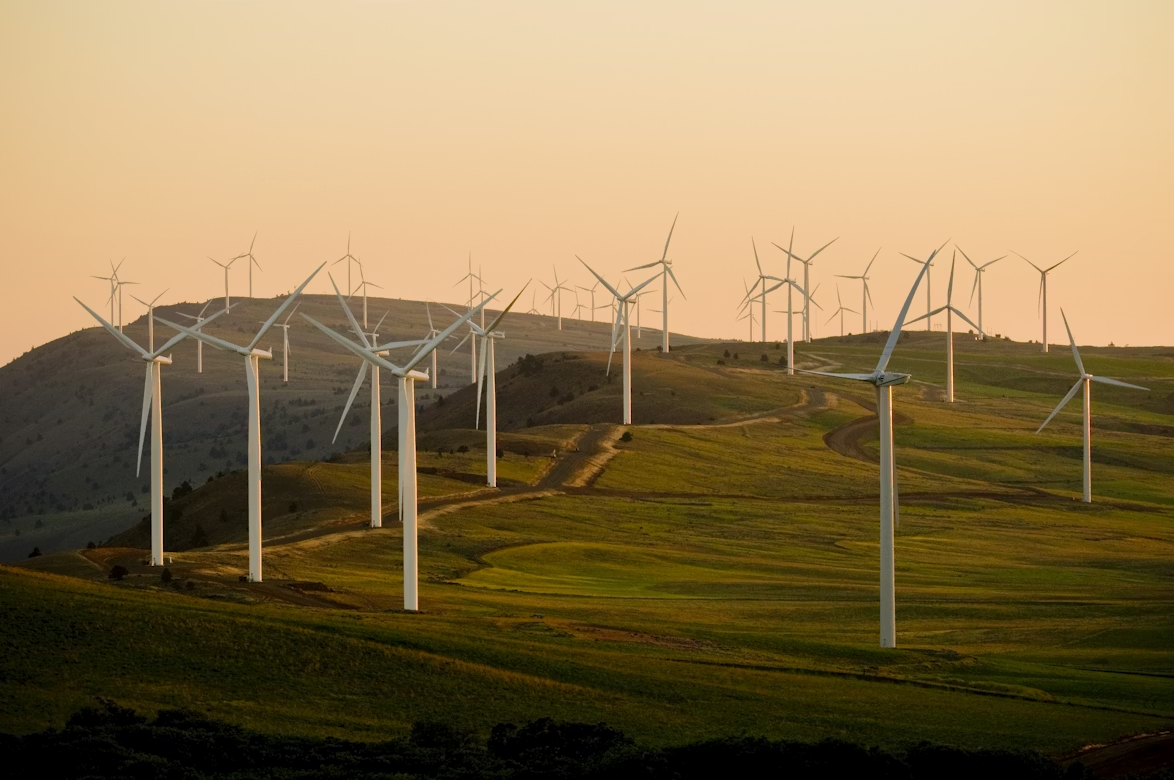

Wind energy is one of the best ways to make clean power. It turns the energy from moving air into electricity with turbines. This gives a good choice instead of dirty fuels. In the last 20 years, new tech has made turbines work better and bigger. But they still break down over time. Harsh weather, sun rays, and constant wear hurt the blades and parts. Now, experts look at materials that fix themselves. These could make turbines last for 100 years. If they heal tiny cracks or outer scratches on their own, wind farms might run for many years with little help.
The Potential of Self-Repairing Materials in Wind Energy Systems
New self-healing materials change how we build clean energy tools. They fix their own shape after harm. And they keep working well through many uses.
Advancements in Material Science for Renewable Applications
Fresh ideas in plastic chemistry have made strong mixes that heal over 1,000 times. They stay tough after that. This comes from bonds that can break and join again. Heat or light makes them connect. Lab tests show these plastics get back almost all their pull strength after hard use many times. So, they might work well in wind turbine blades for a long while. For parts like the main body or main beams, these mixes could cut stop times and fix costs a lot.
These materials do more than just fix. They handle weather without splitting or losing their hold. They might take the place of old sticky resins that break in sun or wet air. This keeps the parts strong even after many years.
Integration Challenges in Wind Turbine Design
Putting these new materials into turbine builds is not easy. Today’s blade making uses heat-set mixes baked at high heat. Most self-healing ones are heat-mold types. They need other ways to set. So, experts must match them well to stop weak spots.
Hard pulls and heat changes make problems too. Blades face repeating loads over millions of turns each year. Plus, temps go from -20°C to 60°C at sea sites. The fix system has to act fast to stop cracks from growing while running. It must also keep the right bend and air flow shape. Long-term hold against sun and water matters a lot. Any break down could hurt the fix work and part strength.
Extending the Lifespan of Wind Energy Infrastructure
As turbines get much bigger—some blades over 100 meters—fixing them costs a ton. Self-repairing materials could make parts last way longer than usual.
Durability Enhancement through Self-Healing Mechanisms
Tiny cracks grow from tired loads in blade mixes. In the old way, these small breaks get bigger until the whole thing fails badly. But with self-healing plastics, cracks start local fixes that close them on their own. This keeps the air flow smooth. It works even after hits from junk or ice balls.
In real life, less fixing means checks happen less often. It cuts the need for big lifts, which cost a lot at sea spots. Studies show that if fixes stop just 10% of big breaks each year, running costs fall a bunch over many years.
Predictive Maintenance and Smart Monitoring Systems
Self-healing is good, but it needs smart watch tools. Small sensors inside blades spot tight spots or tiny breaks early. When used with a copy model that acts like the real thing, workers see fix events as they happen.
These tools let you plan fixes based on true part health. You don’t guess with set times. Info from many turbines can improve new builds. It links weather stress to how well fixes work.
Economic and Environmental Implications of Centuries-Long Operation
If turbines last 100 years, not just 20 or 30, money plans and green goals change a lot.
Cost-Benefit Analysis of Self-Healing Wind Turbines
At first, these materials cost more to buy. They need tricky mixes and making steps. But spread over 100 years, the saves show up. Less buying new means less stuff used and less lost time.
The cost to make energy—called LCOE—might go down. Lifespans grow without big jumps in fix money. Insurance could cost less too. That’s because better fixes cut surprise breaks.
Sustainability and Resource Efficiency Considerations
For the earth, longer life fits reuse ideas. Each skipped new part saves heavy waste. That waste would go to dumps or hard-to-recycle spots.
More years mean less smoke from making and moving new parts to far places. This adds up in big wind areas. Less new steel for stands, less sticky stuff for blades, and smaller move needs overall.
Engineering Pathways Toward Century-Scale Reliability
To hit 100-year strong work, we need tough tests and new build ideas that allow change, not just hold still.
Material Testing Protocols for Multi-Century Performance Validation
Fast age tests act like 100 years in a few months. They hit samples with strong sun, wet-dry changes, salt mist, and pull tiredness all at once. This shows how fixes handle many bad things like at sea turbines.
Checks look at strength left after many fixes. They count how often a material can heal before it drops under safe levels. Rules must be set so groups can check long-life claims fairly for all makers.
Design Innovations Supporting Self-Healing Functionality
New blade plans might use side-by-side parts. These keep harm in one spot and let fix helpers start inside. Tiny-structured sticky mixes with bonds that join back offer another way. Their small setup lets quick fixes at normal temps without outside help.
Mix systems with built-in strength from fiber lines and active fix steps show good early tests. These plans mix quick hold with long fix ability. That’s key for real use where surprise loads happen every day.
The Future Landscape of Wind Energy Systems with Self-Healing Capabilities
Moving to self-fix setups needs work from experts, builders, makers, and leaders who want lasting clean power.
Collaboration Between Material Scientists and Wind Engineers
Team research groups form now for this. Plastic experts know bond moves. Wind builders know air pulls and tired acts in rough air. Together, they speed up use in real jobs like sea float bases. There, reach is hard but strong last is key.
Long-Term Vision for Sustainable Energy Infrastructure
Picture wind farms running on their own for 100 years. They make clean power and fix themselves with smart sensors and flexible materials. This changes clean tools from fix-needing to self-keep ones in world power lines.
Such strong hold boosts safe power everywhere. It cuts need for often new part chains. That’s a quiet but big change to lasting green ways.
FAQ
Q1: What makes self-healing materials suitable for wind turbines?
A: Their ability to autonomously repair microcracks prevents structural degradation under continuous stress cycles common in turbine operation.
Q2: How do these materials achieve over 1,000 repair cycles?
A: They use dynamic covalent bonding networks that reform molecular connections repeatedly without weakening mechanical strength.
Q3: Are current manufacturing processes compatible with self-healing composites?
A: Some adaptation is required since most existing blades rely on thermoset resins while many self-healing systems are thermoplastic-based.
Q4: How do embedded sensors contribute to predictive maintenance?
A: Sensors detect early-stage damage signals which digital twins interpret to schedule targeted interventions before major failure occurs.
Q5: What environmental benefits arise from century-long turbine lifespans?
A: Extended service reduces waste generation, lowers carbon emissions from manufacturing replacements, and supports circular economy principles within renewable energy sectors.