

A flywheel storage system can be a good fit when a project needs fast power, frequent charge and discharge, and steady output during grid events that last only seconds. In the wider energy storage market, batteries get more attention, but flywheels still solve a clear job: quick, clean, high-cycle power without chemical degradation.
If you are planning storage for a renewable plant, microgrid, industrial site, rail system, or data center, the point is not to ask whether flywheels are better than batteries in every case. They are not. The better question is where a flywheel gives a technical advantage, where batteries are more practical, and how to compare both without relying only on supplier claims.
What Is a Flywheel Storage System?
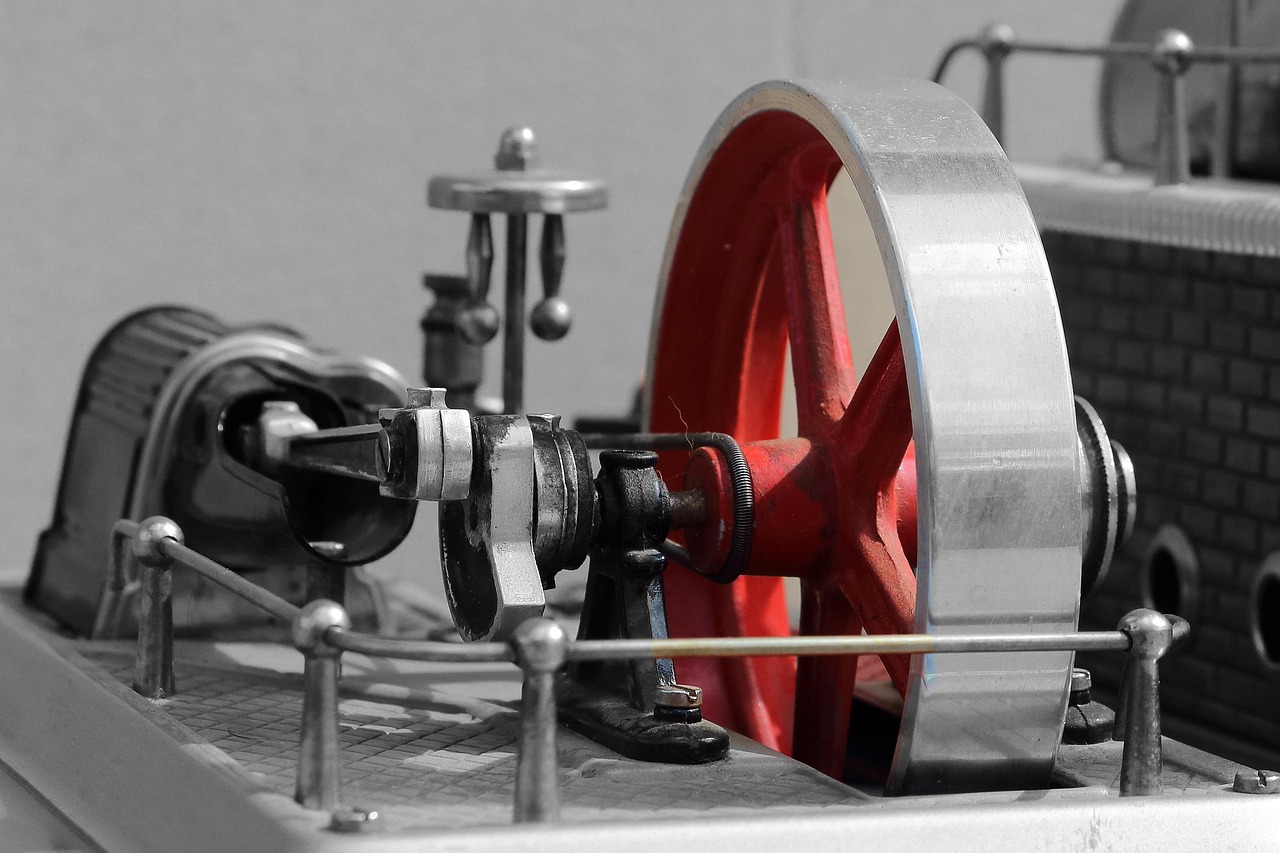
A flywheel is one of the older energy storage ideas in engineering, but today’s systems are not just heavy wheels in a workshop. A modern flywheel storage system uses a rotor, bearings, a motor generator, vacuum housing, controls, and power electronics to store and release electricity at high speed.
A Motor Generator at the Core
When electricity enters the system, the motor drives the rotor to a higher speed. When electricity is needed, the same machine works as a generator and turns the rotor’s motion back into electric power. This is why flywheels are usually described as electromechanical storage, not chemical storage.
Kinetic Energy Instead of Chemical Storage
The stored energy is held in the spinning mass. Higher speed means more stored energy, so many modern flywheels use composite rotors and low-friction designs. The U.S. Department of Energy describes flywheels as high-power devices with fast response, long cycle life, and value in power quality applications.
Power Electronics that Match the Grid
A flywheel cannot just spin and connect directly to a power network. It needs converters, protection, and controls to match voltage, frequency, and dispatch signals. In real projects, the control system matters almost as much as the rotor because it decides how the unit responds during frequency regulation, voltage support, and short backup events.
How Does a Flywheel Storage System Work in Real Sites?
On a working site, a flywheel does not sit idle like a fuel tank waiting to be used. It charges, idles, discharges, and returns to its set speed many times during operation. That fast cycling is the main reason to use it. A battery may be managed to avoid too many deep cycles, while a flywheel is built for frequent movement.
Charging During Surplus Power
During charging, power from the grid, solar array, wind plant, or local generator drives the rotor faster. This can happen in short bursts, not only in long charging periods. For example, a solar plant may send extra power to the flywheel when cloud cover changes and PV output rises within seconds.
Discharging During Grid Events
When frequency dips, voltage sags, or a large machine starts suddenly, the flywheel can release power quickly. DOE material on grid-scale flywheel projects reports response in seconds, and some flywheel literature discusses millisecond-level control capability. This matters for sites with sensitive drives, production lines, chillers, or servers because the disturbance may be short but costly.
Standby Losses and Site Controls
Flywheels lose some energy while spinning, even with vacuum enclosures and magnetic or low-friction bearings. Because of this, they usually fit short-duration, high-cycle work better than overnight storage. Put simply, they are sprinters, not marathon runners. This detail helps avoid many poor project decisions at the design stage.
Where Does a Flywheel Storage System Beat Batteries?
Battery storage is growing quickly, and there are good reasons for that. Still, a flywheel storage system can perform better when the duty is short, harsh, and repetitive. If a site needs power correction hundreds or thousands of times, cycle life becomes a real design issue, not just a brochure number.
Faster Response for Frequency Regulation
Frequency regulation needs fast movement up and down. The DOE’s Hazle Spindle flywheel project used 200 flywheels rated at 100 kW and 25 kWh each, giving a 20 MW plant that could fully respond in less than 4 seconds. This is a useful example of flywheel value in grid services, not just a lab result.
High Cycle Life for Repeated Duty
The same DOE project reported more than 150,000 full charge and discharge cycles, operation at 100% depth of discharge, and no energy degradation over time. Those figures show why flywheels are worth checking for high-cycle work. Batteries can also cycle well, especially lithium iron phosphate designs, but their usable capacity still changes with age, temperature, and operating pattern.
Lower Chemical and Thermal Risk
Flywheels do not store energy through flammable electrolyte chemistry. That does not mean they are risk-free, because a high-speed rotor needs strong containment and proper safety design. Even so, for some indoor or sensitive sites, avoiding battery fire concerns can be a practical benefit. Safety teams often want a clear failure mode, and flywheels have a different risk profile from batteries.
Where Does Battery Storage Still Win?
A fair comparison should not make flywheels look like hardware that can do everything. Batteries lead many energy storage projects because they store more energy for longer periods and the supply chain is well developed. If the main job is moving solar power from noon to evening, batteries often make more sense.
Longer Energy Duration
Most commercial flywheel systems are designed for seconds to minutes. Battery energy storage systems are commonly built for one to four hours, and some projects go longer. The U.S. Energy Information Administration tracks utility-scale battery growth because these assets now play a major role in arbitrage, grid stability, and renewable shifting.
Stronger Project Bankability
Lenders, utilities, and developers know battery projects well. They can review warranties, performance tests, degradation curves, fire codes, and revenue models based on many recent projects. Flywheel projects exist at utility scale, but the market is smaller, so buyers may need more technical review and closer supplier due diligence.
Lower Cost for Hourly Shifting
For energy measured in megawatt-hours, batteries usually offer a better commercial path. Flywheels can deliver high power, but building many minutes or hours of storage is usually less attractive. A simple rule is useful in early screening: if power quality is the main concern, check flywheels; if energy shifting is the main concern, check batteries first.
What Do Public Data Say About the Market?
Public data points in two directions at the same time. Batteries are scaling much faster in the broad storage market, while flywheels have proven value in fast-response applications. These points do not conflict. They describe different jobs on the same grid. See also: clean energy.
Battery Growth Sets the Context
The U.S. Energy Information Administration reported that U.S. cumulative utility-scale battery storage capacity exceeded 26 GW in 2024, based on its January 2025 Preliminary Monthly Electric Generator Inventory. EIA also reported planned additions of 19.6 GW in 2025. Globally, the International Energy Agency’s Electricity 2026 analysis said utility-scale battery additions reached 63 GW in 2024, bringing installed utility-scale capacity to 124 GW.
DOE Flywheel Plants Prove the Use Case
Flywheels are not growing at the same pace as batteries, but they do have real operating history. DOE information on Beacon Power related projects describes 20 MW plants in New York and Pennsylvania for frequency regulation. The Hazle project data also reported system availability above 97%, which is important because regulation assets only earn value when they are ready to respond.
Fast Flexibility Is Still Valuable
More solar and wind means the grid needs more short-term balancing. Batteries can handle much of this work, but a mixed storage fleet can be more practical in some projects. Flywheels can take sharp and frequent power swings, while batteries handle longer ramps. In a hybrid design, the flywheel may reduce unnecessary shallow cycling on the battery.
How Should You Size and Specify a Flywheel Storage System?
Good sizing starts with the event you need to solve. Do not begin with a catalog size. Start with the load profile, fault ride-through target, renewable ramp rate, power quality issue, or market signal. Then check how long the system must respond and how often it will cycle.
Match Power to the Disturbance
Power rating is usually the first number to review. A factory with large motors may need a short burst during startup. A microgrid may need fast support while a generator ramps. A grid service project may need full bidirectional power on command. In each case, the flywheel must meet peak kW or MW needs without slow ramping.
Check Duration and Duty Cycle
Duration decides whether a flywheel is the right tool. If the event lasts 10 seconds, 30 seconds, or a few minutes, a flywheel may fit well. If the event lasts four hours, look at batteries, pumped storage, flow batteries, or another long-duration option. Duty cycle also matters because a flywheel built for repeated deep cycling can be useful where events happen all day.
Review Controls, Safety, and Footprint
Ask suppliers about containment, bearing type, vacuum system, noise, maintenance access, grid code compliance, and black start behavior if needed. Also ask for verified project references. If a vendor cannot share test data, operating hours, or third-party validation, review the proposal carefully. Reliable public data should not be replaced with guesswork.
Is a Flywheel Storage System Right for Your Project?
A flywheel storage system is a good match when the problem is fast, repetitive, and power-heavy. It is usually a poor match when the main goal is storing cheap daytime energy for evening use. This sounds basic, but many storage mistakes come from mixing up power and energy.
Best Fit Applications
These applications usually need quick response and frequent cycling. In these cases, a flywheel can reduce stress on other equipment and provide short-duration power support when timing matters.
- Frequency regulation and fast grid balancing
- Industrial power quality and voltage sag support
- Short ride-through for data centers, hospitals, and critical loads
- Renewable smoothing for solar ramps and wind fluctuation
- Hybrid systems that reduce battery cycling stress
Poor Fit Applications
These applications need long energy duration or the lowest cost per kWh. A flywheel can still support short events in the same project, but it should not be treated as the main long-duration storage asset.
- Four-hour solar shifting
- Seasonal renewable storage
- Backup power for long outages without another generator
- Projects where lowest cost per kWh is the only target
Practical Procurement Questions
Before buying, ask for rated power, usable energy, response time, standby loss, expected cycle life, maintenance schedule, safety certification, and real project references. Also ask how the system will connect with the existing PCS, EMS, SCADA, or microgrid controller. If the answer is vague, slow down. Storage projects are expensive enough without learning basic integration lessons on-site.
FAQ
Q1: What Is the Main Advantage of a Flywheel Storage System? A: Its main advantage is fast, repeated power delivery. It can charge and discharge many times with little performance loss, so it fits frequency regulation, power quality, and short ride-through work.
Q2: Can a Flywheel Storage System Replace Batteries? A: Sometimes, but not in every case. Flywheels can replace batteries for short, high-cycle power tasks. For multi-hour energy shifting, batteries are usually the better choice.
Q3: How Long Can a Flywheel Deliver Power? A: Many commercial flywheel systems are designed for seconds to minutes. Exact duration depends on rotor design, power rating, and usable energy capacity.
Q4: Is a Flywheel Storage System Safe? A: A properly designed flywheel system can be safe, but it needs strong containment, controls, and maintenance. It avoids battery chemical fire risk, yet rotor safety must be taken seriously.
Q5: What Data Should You Ask a Flywheel Supplier to Provide? A: Ask for response time, cycle life, standby losses, round-trip efficiency, operating hours, maintenance records, safety certifications, and references from real grid or industrial projects.