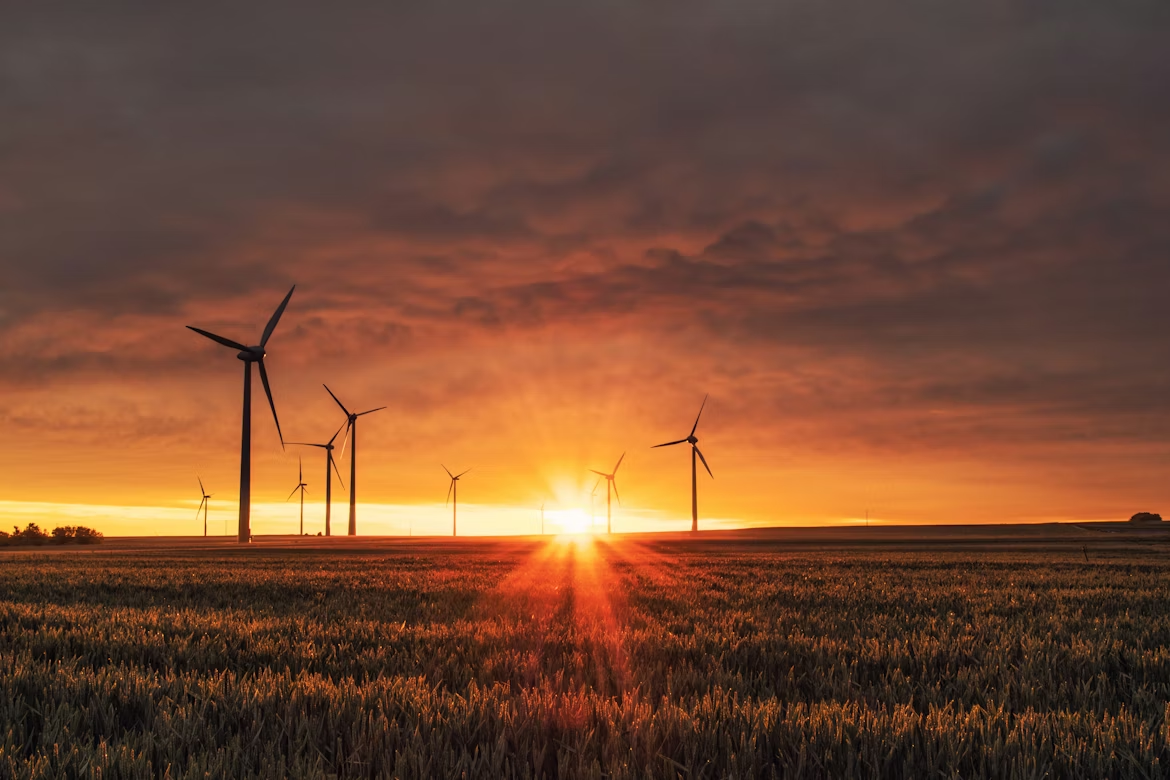

Wind energy has turned into a key force in the Nordic power scene. It goes beyond just clean energy now. It changes how energy costs money, spreads out, and gets viewed. As you look into this area, you find that wind turbines act as more than tall machines on the skyline. They show a move toward strong economy and care for nature. The Nordics—Denmark, Sweden, Norway, and Finland—use their land shapes and smart rules to build a way for green growth. Strong winds from the North Sea and Baltic shores let these lands turn natural gifts into almost free power at times. This piece looks at how that took place. It starts from old policy starts to new grid tools. And it covers what this means for energy markets ahead.
The Rise of Wind Energy in the Nordic Region
The growth of wind energy in Northern Europe took time. It grew from years of joint rules, new ideas in tech, and trust from people.
Historical Development of Renewable Energy Policies
Nordic lands started putting big money into green setups long before it turned into a world habit. Denmark tried wind turbines in the 1970s first. This set a way for local owners and group plans. Rules from the government, like feed-in tariffs and tax perks, pushed homes and towns to join the green shift. These steps made a firm base for bigger works that followed. Sweden added its green certificate setup. Norway mixed hydropower ease into shared border balance plans. The first rules had flaws. But they built a way of life where green energy felt normal, not just a choice.
Expansion of Wind Power Capacity Across the Nordics
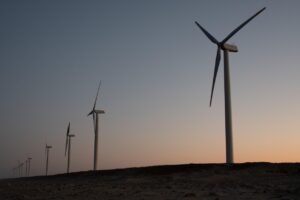
With time, the built power in Denmark, Sweden, Norway, and Finland grew fast. Sea-based wind farms turned key in country plans. They catch stronger and more steady winds out at sea. Denmark tops the world in sea power per person. Finland speeds up land setups in its north lands. Work together among these places boosts grid steadiness. Shared links let them even out making when wind changes by area. This team work explains why power costs fall a lot on windy days.
How Wind Energy Contributes to Low or Free Electricity Prices?
When folks speak of “free electricity” in the Nordics, they mean times when big sale prices drop near zero or go below. This comes from lots of wind making.
The Economics of Wind Power Generation
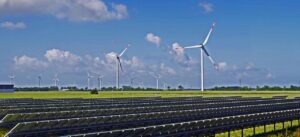
The money side is straightforward yet strong. Once turbines stand built, their run costs stay low next to fuel plants that buy fuel all the time. In windy times or days, making jumps past use needs. This pushes prices down with extra supply. Fights in bids have cut build costs by drawing many offers for new jobs. Help plans first grew money input. But they slowly gave way to market ways as tech got better.
Market Dynamics During High Wind Production Periods
Times of strong wind making can turn old market ways upside down. When making beats need, big sale prices can go under zero. Makers pay buyers to take extra power. Users gain right away from lower home bills. Or they gain over time from cut system costs. To handle ups and downs, grid watchers use bendy store fixes like pumped hydro or battery groups. These take in extra energy for use later. So they stop loss and keep the system sure.
Infrastructure and Technology Supporting Wind Integration
Wind power needs solid setups to work. These handle changing inputs without shaking supply.
Modernization of the Nordic Power Grid
The Nordic grid has grown into one of Europe’s most linked setups. Border-cross links join country nets. So extra power from one land flows easy to another with more need. Smart grid tools watch live data. They shift load paths on their own when wind shifts. Money in digital hubs has boosted trust and quick replies in weather turns. This matters a lot, since north winds can change fast.
Advances in Turbine Design and Efficiency
Tech steps have made new turbines much better than ones from 20 years back. Bigger spin parts grab more move energy even at slow winds found inside Scandinavia. Sea plans use strong sea winds. They pick rust-proof stuff and good hold systems for deep waters off Norway’s shores. Steady fixes cut fix times and stretch work life past 25 years. This lifts money back for builders.
The Role of Policy, Cooperation, and Market Design
Rule matches over borders matter as much as tech wins in forming the low-cost Nordic power way.
Regional Collaboration on Energy Policy
Nordic team work under plans like Nord Pool—the area’s shared power market—pushes common aims for green life and steady prices. Group starts now build sea groups that cross land lines between Denmark and Sweden or Finland’s Gulf spots. Same rule marks make border trade simple. They match tech needs for green mix into country grids.
Electricity Market Structures Encouraging Renewable Growth
Open markets pay makers who give clean energy well, not just on help alone. Changing price ways show live states. When wind out jumps, spot prices fall. When still air cuts supply, they rise on their own. Balance markets give back power. So trust stays even with changes in green like wind.
Environmental and Social Impacts of Wind Energy Expansion
Besides money, there is a bigger tale of nature care and town joins in Nordic groups.
Reducing Carbon Emissions Through Renewable Transition
Wind power cut carbon outgo by pushing out coal- or gas-based making from grids. Each power unit from turbines skips tons of CO₂ each year next to fuel picks. These cuts aid EU green promises. They also better air clean near old plant spots—a gain people feel but often miss.
Public Perception and Local Community Involvement
People back it strong because towns get real gains from close jobs. Group own ways let folks buy parts in near turbines. They get share pays linked to how well they do. This way started long ago in Denmark and still works. Clear plan steps fix worries on sound or sight with early talks, not late changes. Plus, build times make jobs from tech roles to port work in shore towns for sea puts.
Challenges and Future Outlook for Nordic Wind Energy Systems
Progress impresses, but issues stay. They center on handling on-and-off without hurting money or steadiness.
Managing Variability and Storage Needs
Wind’s on-and-off side calls for pair fixes like big batteries or pumped hydro spots. These store extra out in top times for let go when winds drop. Use-side plans push users—from big plants to homes—to move when-use on guess, not set times. Work on hydrogen split gives hope. It turns extra power into store green hydrogen for move or heat later.
Long-Term Sustainability of “Free Electricity” Models
Zero prices sound good for votes. But keeping them needs balance between cheap for users and fair pay for makers who put in billions first. New fixes will stay key to hold grids strong against net attacks or wild weather from green shifts. Rule makers may change to keep makers going despite low-price times from too much in windy winters on Scandinavia’s shores.
FAQ
Q1: Why do Nordic countries experience negative electricity prices?
A: Negative prices occur when strong winds generate more electricity than consumers need at that moment; producers then lower bids drastically—or even pay—to clear excess supply from wholesale markets.
Q2: How does cross-border cooperation help manage renewable variability?
A: Shared interconnectors allow nations like Denmark or Sweden to export surplus power instantly while importing when local output dips, creating smoother regional balance overall.
Q3: What makes offshore wind particularly effective in Northern Europe?
A: Offshore sites enjoy steadier high-speed winds with fewer obstacles compared with inland areas; this consistency translates directly into higher annual capacity factors per turbine installed.
Q4: Are community-owned wind farms still common today?
A: Yes, especially in Denmark where citizen cooperatives continue operating profitable local projects established decades ago under supportive national policies encouraging public participation.
Q5: Could hydrogen storage become mainstream within Nordic energy systems?
A: Likely yes; current pilot programs already convert excess renewable electricity into hydrogen gas stored seasonally then reconverted back into power or used industrially during low-wind months.