
Which Clean Energy Solutions Fit Your Business Best?
Choosing clean energy solutions is not about chasing every new device on the market. It is about matching power generation, storage, and daily energy use with the way your site actually runs. A warehouse with daytime lighting loads needs a different plan from a cold-chain facility, a factory with motors, or a hotel with evening peaks.
Solar Power for Daytime Loads
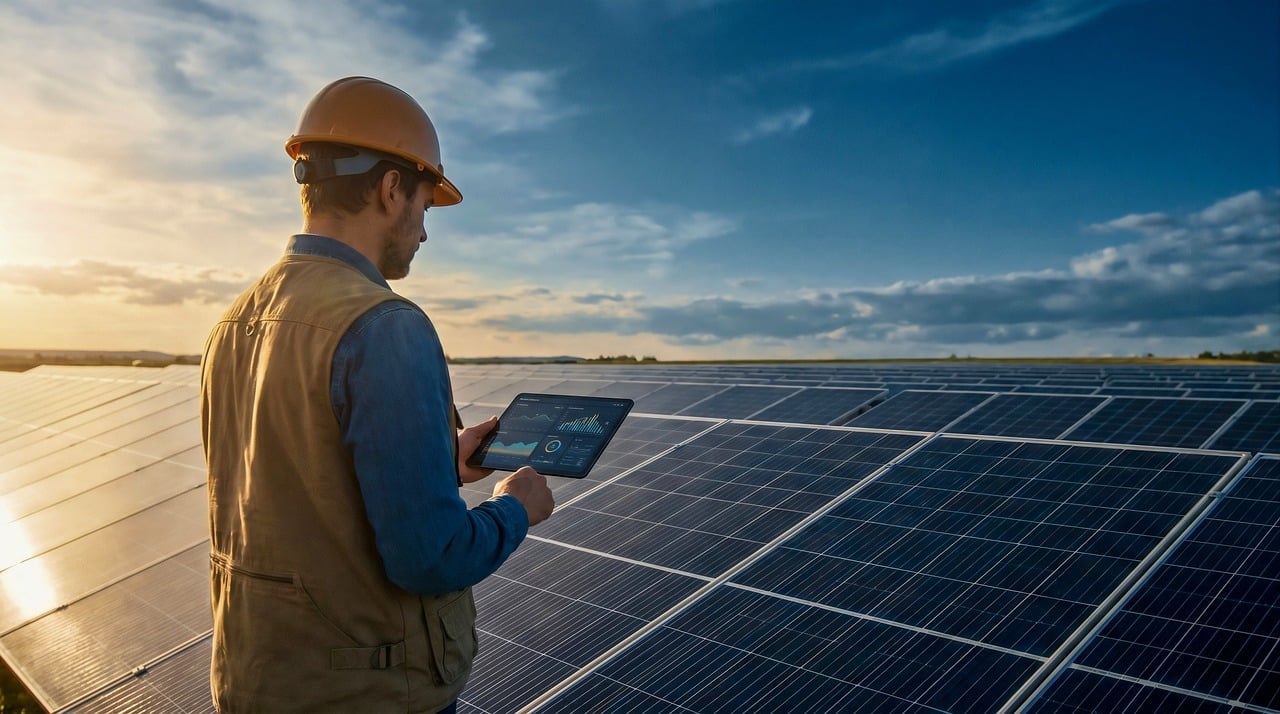
Solar PV is often the first option because teams can see it, price it, and explain it to finance staff without much trouble. If your site uses most of its electricity during daylight hours, rooftop or ground-mounted solar can reduce grid purchases as the power is produced. The better cases usually have open roof space, limited shading, steady daytime demand, and a power tariff where self-consumption has clear value.
Battery Storage for Flexibility
Battery storage helps when your power use does not match sunshine hour by hour. It can move solar energy into evening hours, reduce short demand spikes, and provide backup for selected loads. It still needs proper sizing. A battery chosen without load data can sit underused, and that becomes an expensive mistake.
Efficiency and Electrification for Demand Reduction
Clean energy also includes using less energy before adding new equipment. LED lighting, variable-speed drives, better insulation, heat pumps, and smart controls may not sound as interesting as a solar array, but they often reduce the project size you need. That can mean fewer panels, smaller inverters, and a payback case that is easier to explain.
Why Are Businesses Moving Faster in 2026?
Business buyers are moving because the market has changed. Clean power is now a normal infrastructure choice, not a test project. Your customers may ask for lower-carbon operations, your utility bill may be harder to forecast, and your competitors may already be using renewable energy in tenders.
Renewable Growth Has Become Mainstream
IRENA reported in April 2026 that global renewable power capacity reached 5,149 GW at the end of 2025 after 692 GW of new additions, and renewables made up 85.6% of all new capacity added that year. The International Energy Agency also reported that global electricity generation rose by more than 850 TWh in 2025, with renewables providing most of the growth and solar PV adding about 600 TWh of generation. For buyers, that scale matters because it means more suppliers, more site experience, and more project models that lenders understand. (irena.org)
Clean Power Supports Carbon Goals
If your business sells to large brands, exports to regulated markets, or reports emissions, clean energy can help lower Scope 2 electricity emissions. The IPCC AR6 report states that energy system greenhouse gas emissions must fall sharply in pathways that limit warming, with 1.5°C scenarios showing energy sector CO2 reductions of 87% to 97% by 2050. In plain business terms, the way you buy and use power is now part of carbon planning. (ipcc.ch)
Buyers Want Stable Energy Planning
Many companies do not switch because they enjoy utility paperwork. They do it because long-term planning is easier when part of the electricity cost is tied to equipment they own or a fixed power purchase agreement. This helps procurement teams explain energy risk in language that finance and operations teams can use.
How Do Clean Energy Solutions Cut Real Energy Costs?
Energy savings come from more than one place, so they should be modeled line by line. A useful proposal should show avoided grid energy, demand-charge savings, backup value, maintenance cost, tax treatment, and any export income. If all of those items are rolled into one large savings figure, ask for a cleaner breakdown.
Lower Grid Purchases
Solar reduces the electricity you buy from the grid when your site uses solar output directly. A simple example is a distribution center that runs forklifts, lights, ventilation, and office loads through the day. Solar output can match that work pattern quite well. The savings still depend on local tariffs, roof area, system yield, and how much power is used on site.
Less Fuel Price Exposure
Lazard’s 2025 Levelized Cost of Energy+ report found that utility-scale solar and onshore wind remained among the most cost-effective new-build generation sources on an unsubsidized basis, although project economics still depend on financing, location, interconnection, and fuel prices for competing options. That is why many buyers compare clean energy with fossil-based power as a price-risk decision, not only a green label. (lazard.com)
Better Peak Load Control
In sites with demand charges, one short peak can raise the bill for a whole billing cycle. Batteries, controls, and load scheduling can cut those peaks when the system is set up correctly. Small operating habits also matter. Charging equipment at the wrong hour may look harmless on the shop floor, then appear later as a costly line item.
What Role Does Energy Storage Play?
Storage makes clean power easier to use, especially when tariffs change by time of day or the grid is not reliable. The main question is not simply whether batteries are good. The real question is what job the battery must do: shift solar, cut peaks, support backup, or help power quality.
Four Hour Batteries for Daily Shifting
Many commercial storage designs use four-hour systems because they fit daily solar shifting and common peak windows. NREL’s 2025 utility-scale battery storage update projected 2035 costs for four-hour lithium-ion systems at $152/kWh in a low case, $247/kWh in a mid case, and $349/kWh in a high case, showing that cost outlooks still vary widely. That range is a reminder to check your own numbers instead of copying another site’s payback. (research-hub.nrel.gov)
Backup Power for Critical Loads
A battery can support security systems, servers, medical refrigeration, control rooms, or production lines during short outages. For longer backup time, batteries may need to work with generators or other systems. Decide which loads are truly critical before sizing the backup plan. Backing up an entire facility costs far more than backing up the few circuits that keep losses under control.
Smarter Charging and Site Controls
Controls decide when equipment charges, when stored energy discharges, and when loads should be delayed. Good controls often go unnoticed when everything works, so they are easy to undervalue. Even so, they can make the difference between a battery that earns its keep and one that only looks good during a site tour. See also: EVs.
How Should You Plan a Clean Energy Project?
A clean energy project should start with data, not hardware. Before you talk about panel brands or battery cabinets, collect bills, interval meter data, roof drawings, utility rules, and production schedules. It is not the exciting part of the job, but a meter log often tells you more than a sales brochure.
Load Data Comes First
At least 12 months of electricity bills can show seasonal demand, but interval data is better. Fifteen-minute or hourly data shows when your site really uses power. That pattern tells you whether solar alone makes sense, whether storage adds value, and whether load shifting could save money before any new equipment is installed.
Site Conditions Shape Design
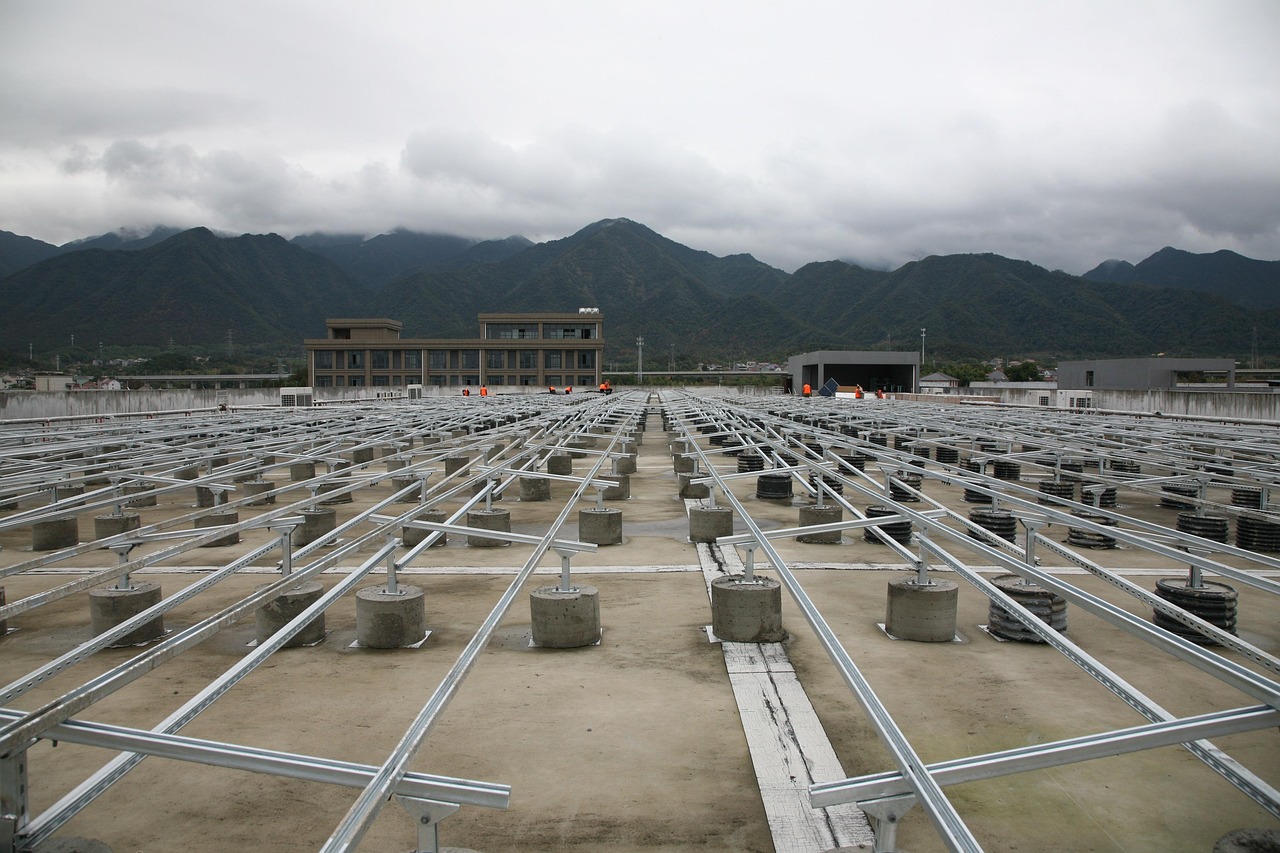
Roof age, load-bearing capacity, fire access, shading, dust, snow, wind exposure, cable routes, and transformer capacity all affect design. A cheap quote that ignores these details may become expensive later. If a roof needs replacement in five years, deal with that issue before installing equipment meant to last for decades.
Payback Needs a Conservative Model
Use a base case, not only a best case. Test lower solar output, slower utility price growth, battery replacement timing, and maintenance costs. If the project still works under modest assumptions, approval is easier. If it only works with perfect weather and perfect prices, slow the process down.
What Mistakes Should You Avoid?
Most clean energy problems are not caused by the technology itself. They usually come from rushed design, weak data, unclear responsibility, or savings claims that were never checked against real site behavior.
Chasing the Cheapest Hardware
Low upfront cost can hide weak warranties, poor monitoring, short equipment life, or limited after-sales support. For commercial sites, downtime matters. A slightly better inverter, racking system, battery management platform, or service plan can be worth more than a small discount on day one.
Ignoring Grid Rules and Permits
Interconnection can take time. Export limits, protection settings, utility studies, fire codes, and local permits may change the project scope. Build these steps into the schedule early. A clean design on paper does not produce power until the grid and local authority allow it.
Skipping Maintenance Planning
Solar panels need inspections, cleaning when local conditions require it, inverter checks, and monitoring. Batteries need thermal management, software updates, safety checks, and clear operating limits. Maintenance is not a footnote in a commercial project. It protects savings, safety, and asset life.
FAQ
Q1: What Are the Most Common Clean Energy Solutions for Businesses? A: The most common options are solar PV, battery storage, energy efficiency upgrades, heat pumps, smart controls, and renewable power purchase agreements. The right mix depends on your load profile, tariff, site space, and business goals.
Q2: How Long Does a Commercial Solar Project Usually Take? A: A small rooftop project may take a few months. Larger commercial or industrial projects can take longer because of engineering, procurement, permits, grid studies, and installation schedules. Utility approval is often the slowest step.
Q3: Do You Need Batteries with Solar Power? A: Not always. If your site uses most solar energy during the day, solar alone may work well. Batteries become more useful when you face evening peaks, demand charges, weak grid service, or backup needs.
Q4: How Can You Compare Different Clean Energy Proposals? A: Compare annual output, self-consumption rate, equipment quality, warranty terms, maintenance scope, safety design, grid assumptions, and payback method. Do not judge by price per watt alone.
Q5: Are Clean Energy Solutions Worth It for Small Businesses? A: They can be, especially when power prices are high, daytime demand is steady, or the business wants a stronger sustainability story. Start with bills and load data, then choose a project size that fits cash flow and site conditions.