
Solar Microgrids Light Up Remote Tripura, Bringing Power and Clean Water to Hill Villages
Remote hill villages in Tripura are witnessing a quiet revolution. Solar microgrids, supported by hybrid renewable systems, are transforming isolated settlements once dependent on diesel and firewood into self-sufficient clean energy hubs. This shift is not only reducing emissions but also improving education, health, and livelihoods. The combination of solar and renewable energy technologies is proving that decentralized power generation can bridge infrastructure gaps where conventional grids falter.
Renewable Energy Landscape in Remote Tripura
Tripura’s remote regions present a unique challenge for energy access. The terrain, demography, and sparse population density have historically limited grid expansion.
Geographic and Socioeconomic Context of Tripura’s Remote Regions
Tripura’s hilly topography is marked by dense forests and scattered tribal settlements. Many villages are located on steep slopes or deep valleys, making road connectivity difficult. Extending conventional grid power through such terrain involves high transmission losses and prohibitive costs. Limited electricity access constrains local enterprises, restricts educational opportunities after sunset, and affects healthcare delivery.
Challenges of Extending Conventional Grid Power to Remote Areas
The state’s geography complicates grid extension projects due to unstable soil conditions and frequent landslides during monsoon seasons. Transmission lines often require long spans between towers, raising maintenance costs. For many hilltop communities, diesel generators remain the only option despite their high cost per kilowatt-hour.
Socioeconomic Implications of Limited Energy Access on Livelihoods and Development
Energy scarcity limits mechanized farming and small-scale processing units that could add value to agricultural produce. Women spend hours collecting firewood or fetching water from distant sources, while students rely on kerosene lamps for study. These constraints reinforce poverty cycles in already marginalized communities.
Current Energy Infrastructure and Limitations
Tripura’s rural electrification progress has improved over the last decade, yet several remote clusters remain off-grid or poorly connected.
Dependence on Diesel Generators and Traditional Biomass in Off-Grid Villages
In many hamlets, diesel generators supply a few hours of electricity daily at high operational costs. Households also depend heavily on firewood for cooking, contributing to deforestation and indoor air pollution.
High Operational Costs and Environmental Impacts of Fossil-Based Energy Use
Diesel-based systems emit substantial carbon dioxide and particulate matter. Transporting fuel through narrow hill roads further increases expenses. The environmental toll extends beyond emissions—spillage during transport contaminates soil and water sources.
Grid Connectivity Issues Due to Terrain, Distance, and Infrastructure Gaps
Low population density reduces the economic viability of extending the grid. Frequent voltage fluctuations in connected areas discourage investment in electrical appliances or machinery needed for local businesses.
The Emergence of Solar Microgrids in Hill Villages
In recent years, solar microgrids have emerged as a practical alternative for powering remote settlements where centralized grids cannot reach efficiently.
Concept and Design of Solar Microgrid Systems
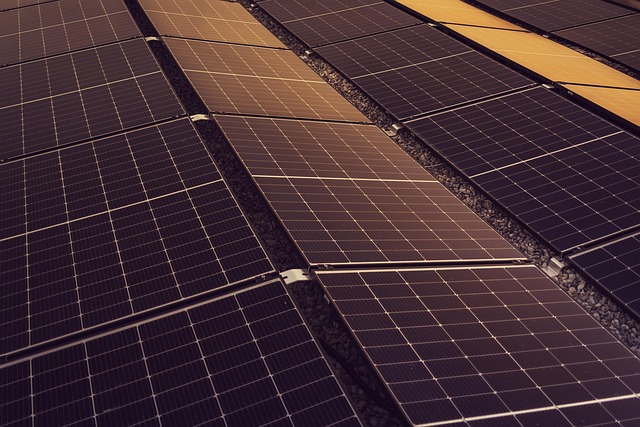
A solar microgrid typically consists of photovoltaic panels installed on community rooftops or open land, battery storage units for night use, an inverter system converting DC to AC power, and a localized distribution network connecting households. Its modular design allows scalability depending on population size or demand growth. Hybrid configurations combining solar with biomass or hydro sources enhance reliability during cloudy days.
Implementation Strategies in Remote Tripura
Deployment success depends heavily on collaboration among local governance bodies, non-governmental organizations, and private developers. Panchayats often allocate land for installations while NGOs facilitate awareness programs about maintenance responsibilities. Community-managed tariff models help sustain operations through small monthly contributions collected via digital platforms.
Community Participation Models for Installation, Maintenance, and Tariff Management
Villagers trained as “energy caretakers” handle basic maintenance tasks like cleaning panels or monitoring battery performance. Local ownership fosters accountability while reducing downtime caused by technical faults that would otherwise require external technicians.
Technical Innovations Driving Renewable Adoption
The adoption rate of solar microgrids has accelerated due to technological improvements tailored for tropical environments like Tripura’s humid hills.
Advances in Solar Technology for Rural Applications
High-efficiency monocrystalline PV modules now perform better under diffuse light conditions common during monsoons. Lithium-ion battery systems extend backup duration up to 24 hours with minimal degradation over time. Smart controllers equipped with remote monitoring features balance loads automatically across households to prevent overuse.
Integrating Other Renewable Sources with Solar Power
Small streams flowing year-round across the hills provide potential for micro-hydro plants that complement solar output at night or during cloudy weather. Similarly, biomass gasifiers using rice husk or bamboo residues can feed hybrid systems that stabilize supply during seasonal variations.
Wind-Solar Hybrid Configurations Suited to Specific Microclimatic Zones
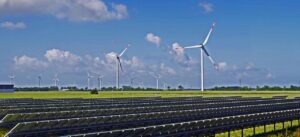
Certain ridge-top areas experience consistent wind patterns suitable for small turbines paired with PV arrays. Such configurations diversify generation sources without major additional infrastructure investment.
Socioeconomic Transformations Enabled by Clean Energy Access
Access to reliable electricity has triggered visible changes in community life across electrified villages.
Electrification Impacts on Livelihoods and Education
Solar-powered rice mills, weaving looms, and cold storage units have revived local industries once constrained by fuel scarcity. Children benefit from extended study hours under LED lighting powered by solar microgrids. Teachers report higher attendance rates as schools can operate digital learning tools even in remote zones.
Empowerment of Women Through Access to Energy-Efficient Tools and Income Opportunities
Women’s self-help groups use electric sewing machines or food processing equipment powered by renewable energy systems to generate income locally. Reduced dependence on firewood also improves health outcomes among women exposed previously to smoke-filled kitchens.
Water Security Through Solar-Powered Pumping Systems
Beyond lighting homes, solar energy supports essential water infrastructure crucial for health and agriculture in hill regions.
Deployment of Solar Pumps Providing Reliable Clean Water Supply to Hilltop Villages
Solar-powered pumps now lift groundwater efficiently without recurring fuel costs. In several districts like Dhalai and North Tripura, these systems supply piped water directly to households positioned hundreds of meters above valley wells.
Reduction in Drudgery Associated with Manual Water Collection from Distant Sources
Earlier women spent two to three hours daily carrying buckets uphill; today automated pumping frees time for productive activities such as weaving or vegetable cultivation near homes.
Linkages Between Water Availability, Health Improvement, and Agricultural Resilience
Steady access to clean water reduces disease incidence linked to contaminated surface sources while enabling irrigation that supports crop diversification even during dry spells.
Environmental and Policy Dimensions of Renewable Expansion
The shift toward decentralized renewables aligns with India’s broader climate commitments under international frameworks like the Paris Agreement.
Environmental Benefits of Transitioning from Fossil Fuels to Renewables
Replacing diesel generators with solar systems cuts greenhouse gas emissions significantly while lowering noise pollution levels across villages. Reduced firewood consumption helps preserve forest cover critical for biodiversity conservation in northeastern ecosystems rich with endemic species.
Policy Frameworks Supporting Renewable Deployment in Northeast India
National initiatives such as the Ministry of New and Renewable Energy’s off-grid programs provide capital subsidies covering up to 90% of project costs in special category states like Tripura. State-level policies encourage private participation through simplified licensing norms for microgrid operators under decentralized distribution regulations introduced after 2020 reforms.
Role of Cross-Border Cooperation with Bangladesh for Regional Energy Integration
Given Tripura’s proximity to Bangladesh border areas already hosting cross-border power exchanges through conventional grids, future collaboration may involve shared renewable corridors linking distributed generation assets across boundaries—enhancing resilience against regional outages while promoting trade in green electricity credits.
Scaling Up Sustainable Power Models Across the Region
Pilot projects across Tripura offer valuable insights into scaling strategies applicable throughout Northeast India’s similar terrains.
Lessons from Pilot Projects and Community-Led Initiatives in Tripura
Early installations revealed challenges related to battery disposal management under humid conditions; subsequent programs adopted recyclable lithium-based solutions aligned with IEC environmental standards (IEC 62619). Continuous training remains essential since technical troubleshooting requires familiarity with both hardware diagnostics and software interfaces used in smart controllers.
Importance of Training Programs for Local Technicians to Ensure Sustainability
Capacity building workshops run jointly by state renewable agencies train youth from beneficiary villages as certified technicians under skill development missions recognized by national vocational boards (NSDC). This approach reduces dependency on external contractors while creating employment within communities themselves.
Roadmap for Expanding Renewable Energy Access Across the Northeast Frontier
Scaling successful models demands integration between digital monitoring tools—using IoT sensors tracking performance metrics—and institutional partnerships linking academia with industry innovators developing low-cost hybrid controllers adapted for rugged terrain conditions typical across Northeast India’s frontier zones.
FAQ
Q1: Why are solar microgrids preferred over extending the main grid in Tripura?
A: The mountainous terrain makes grid extension technically complex and expensive; solar microgrids offer localized generation without long-distance transmission losses.
Q2: What types of renewable hybrids work best in these regions?
A: Combinations like solar–biomass or solar–micro-hydro hybrids provide balanced generation suited to varying seasonal patterns across hill zones.
Q3: How do communities manage operation costs?
A: Villagers contribute small monthly fees into community funds used for maintenance; some projects also receive government subsidies covering initial capital expenses.
Q4: What measurable environmental benefits have been observed?
A: Diesel displacement has reduced carbon emissions substantially while decreasing deforestation rates linked to firewood collection around forested slopes.
Q5: Can this model be replicated beyond Tripura?
A: Yes; similar geographic conditions across other northeastern states make these decentralized systems practical templates for wider regional adoption using locally available renewable resources.