
Fossil Fuel Use Falls as Electricity Gains Share of Global Energy Mix
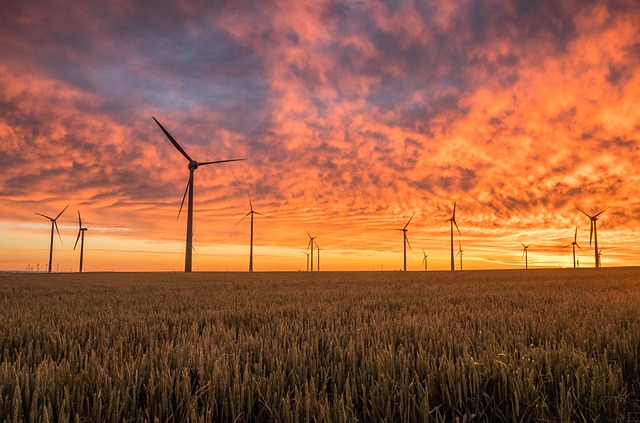
Global energy systems are undergoing a profound transformation. Fossil fuel use is declining as electricity’s share in total energy consumption rises, driven by policy shifts, market dynamics, and technology progress. Renewables now account for a growing portion of new power capacity, while electrification of transport and industry reshapes demand patterns. This structural change signals not just a transition but a redefinition of how societies produce and consume energy.
Shifting Dynamics in the Global Energy Landscape
The global energy landscape is evolving faster than many predicted. The convergence of decarbonization policies, digital technologies, and shifting investment priorities is altering long-established hierarchies within the sector.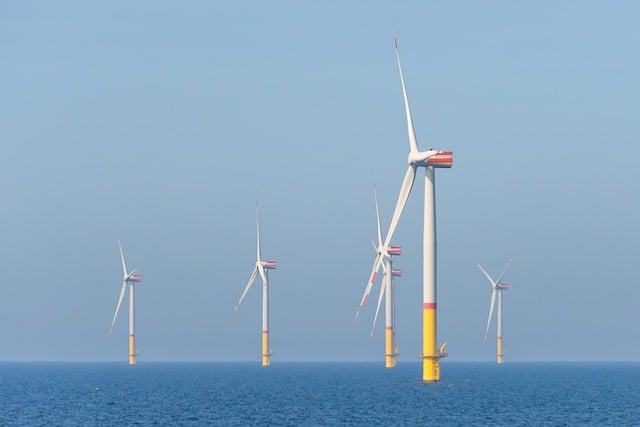
Decline of Fossil Fuel Dependence
Data from the International Energy Agency (IEA) show that coal-fired power generation has peaked in several major economies. Oil demand growth is flattening due to electric vehicle adoption, while natural gas faces rising competition from renewables and storage. Carbon pricing mechanisms in the EU and parts of Asia have further accelerated the decline by making fossil-based generation less competitive. Institutional investors are withdrawing from high-emission assets, redirecting capital toward low-carbon infrastructure such as solar farms and offshore wind projects.
Electricity’s Expanding Role in the Energy Mix
Electricity now serves as the backbone of modern decarbonization strategies. Electrification of heating systems through heat pumps and industrial processes through electric arc furnaces increases electricity’s share across sectors once dominated by direct fossil fuel combustion. Utilities are investing heavily in grid modernization to handle variable renewable inputs and digital control systems that improve reliability. Distributed generation—rooftop solar, microgrids, community storage—adds resilience by decentralizing supply.
The Rise of Renewable Energy as a Dominant Force
Renewables have moved from niche to mainstream within two decades. Their scalability and falling costs make them central to national energy strategies worldwide.
Growth Trajectories of Key Renewable Sources
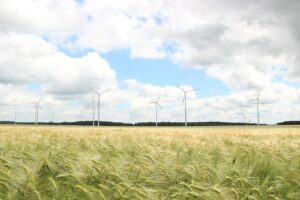
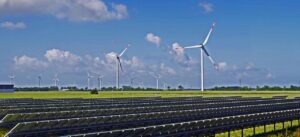
Solar photovoltaics continue to post double-digit annual growth rates globally, with China, India, and the United States leading installations. Onshore wind remains competitive in regions with strong resource bases such as North America and Northern Europe. Hydropower still provides stability for grids but grows slowly due to limited new sites. Offshore wind is expanding rapidly in coastal economies like the UK and Japan, while geothermal gains traction where high heat gradients exist.
Economic Competitiveness of Renewables
The levelized cost of electricity (LCOE) for solar and wind has dropped below fossil fuels in most regions since 2020. Long-term power purchase agreements (PPAs) provide predictable returns for developers, attracting institutional investors seeking stable yields aligned with environmental goals. As subsidies phase out, renewables increasingly compete on pure market terms—a sign that cost parity has evolved into cost advantage.
Technological Innovations Driving Acceleration
Technology innovation underpins this acceleration by addressing intermittency, efficiency, and integration challenges that once limited renewable expansion.
Advances in Energy Storage Solutions
Battery energy storage systems (BESS) now play a critical role in balancing supply-demand mismatches caused by variable renewable output. Grid-scale lithium-ion installations provide frequency regulation services during peak hours. Research into solid-state batteries promises higher energy density and longer lifespans, potentially reshaping both stationary storage markets and electric mobility sectors.
Digitalization and Smart Grids Integration
Artificial intelligence enhances predictive maintenance across power networks by analyzing sensor data from transformers and turbines. Smart meters give consumers real-time insights into usage patterns while enabling utilities to implement dynamic pricing schemes that flatten demand peaks. Blockchain platforms are emerging for peer-to-peer trading within local grids, allowing households to sell excess rooftop solar generation directly to neighbors.
Policy, Regulation, and Investment Trends Shaping Transition Speed
Governmental action remains pivotal to sustaining momentum toward renewable dominance. Yet financial institutions increasingly determine how fast capital shifts away from carbon-intensive assets.
Governmental Frameworks Supporting Renewable Expansion
Nationally Determined Contributions (NDCs) under the Paris Agreement set binding emission reduction targets that compel policy alignment across sectors. Instruments like feed-in tariffs and competitive auctions have proven effective in scaling renewables at lower cost per unit capacity added. Regional grid integration projects—such as those linking Nordic countries or ASEAN members—enhance system flexibility through cross-border electricity trade.
Financial Sector Alignment with Climate Goals
Institutional investors now screen portfolios using environmental, social, and governance (ESG) criteria that favor low-carbon assets. Green bonds finance large-scale renewable infrastructure ranging from solar parks to offshore wind clusters. Divestment campaigns targeting coal-heavy utilities signal deep structural changes within global capital markets—a shift likely irreversible given regulatory pressure on climate disclosures.
Regional Perspectives on the Energy Transition Pace
Transition trajectories differ widely across geographies depending on resource endowment, policy ambition, and economic maturity.
Developments in Advanced Economies
Europe leads with its legally binding net-zero targets by 2050 and carbon border adjustment mechanisms designed to protect domestic industries during transition. The United States adds record renewable capacity annually through state-level mandates like California’s 100% clean electricity goal combined with private sector initiatives led by tech giants purchasing green power directly. Japan and South Korea invest heavily in hydrogen production as part of their broader decarbonization frameworks aimed at reducing import dependence on fossil fuels.
Emerging Markets’ Pathways Toward Renewable Integration
China dominates global solar manufacturing while installing more domestic capacity than any other nation each year. India’s National Solar Mission supports vast solar parks exceeding hundreds of megawatts each across Rajasthan and Gujarat while rural mini-grids bring clean power to off-grid villages. In Latin America, nations such as Brazil harness hydropower complemented by expanding wind farms along its northeast coastlines where consistent trade winds offer near-baseload performance levels.
Structural Challenges in Achieving Renewable Dominance
Despite rapid progress, structural barriers persist that could slow full-scale transition if unaddressed promptly.
Infrastructure Bottlenecks and Grid Constraints
Transmission limitations often prevent renewable-rich regions from exporting surplus electricity efficiently to demand centers far away. Many countries face aging grid infrastructure built for centralized thermal plants rather than distributed renewables requiring bidirectional flow management. Managing intermittency still demands flexible backup sources—often gas turbines—or advanced demand-side response programs capable of absorbing variability without compromising reliability.
Supply Chain Vulnerabilities and Resource Dependencies
Critical minerals essential for batteries—lithium from South America’s salt flats or cobalt from Congo—pose geopolitical risks due to concentrated supply chains. Recycling technologies lag behind deployment rates; only a fraction of retired panels or turbine blades currently reenter material loops at scale. Diversifying sourcing strategies through exploration in alternative regions or developing circular economy models becomes essential for long-term stability.
Measuring Acceleration: Indicators of Transition Momentum
Assessing how quickly this transformation unfolds requires both quantitative metrics and qualitative insights reflecting societal readiness for change.
Quantitative Metrics Reflecting Energy Shift
Annual renewable capacity additions compared with overall primary energy demand growth reveal whether clean sources truly displace fossil fuels or merely supplement them. Reduction trends in fossil fuel subsidies correlate strongly with improved competitiveness for renewables across OECD markets. Carbon intensity per GDP unit serves as another proxy showing decoupling between economic growth and emissions output—a key milestone toward sustainable prosperity.
Qualitative Drivers Enhancing Transition Velocity
Public sentiment increasingly favors sustainability; consumer choices influence corporate procurement strategies prioritizing green electricity contracts over conventional ones. Rapid learning curves shorten project development cycles—from permitting to commissioning—as experience accumulates globally among developers and regulators alike. International collaboration through technology partnerships accelerates diffusion across borders; joint ventures between European utilities and Asian manufacturers exemplify this synergy driving down costs faster than anticipated even five years ago.
FAQ
Q1: Why is fossil fuel use declining globally?
A: Policy measures like carbon pricing combined with cheaper renewables make fossil-based generation less attractive economically while societal pressure drives companies toward cleaner portfolios.
Q2: How significant is electricity’s role today compared with past decades?
A: Electricity now represents an expanding share across transport, heating, and industry due to electrification trends supported by digitalized grids improving efficiency.
Q3: Which renewable technologies show fastest growth?
A: Solar photovoltaics lead global expansion followed closely by onshore wind; offshore wind also grows quickly thanks to falling installation costs.
Q4: What are main challenges facing renewable integration?
A: Grid constraints, mineral supply risks, recycling gaps, and intermittency remain major hurdles requiring coordinated investment solutions.
Q5: How do financial markets influence the pace of transition?
A: Through ESG-driven capital allocation favoring green projects while divesting carbon-intensive holdings—reshaping funding flows toward sustainable energy systems worldwide.