
Ohio Needs Power For Its Data Centers. Lawmakers Want to Redefine ‘Clean Energy’ to Get It
Ohio’s rapid data center expansion is forcing a fundamental rethink of what qualifies as “clean energy.” The state’s lawmakers are considering redefining the term to include transitional or low-carbon sources like nuclear and natural gas with carbon capture. This shift could reshape Ohio’s energy policy, attract billions in tech investment, and influence the national debate on the cleanest energy mix for digital infrastructure. Yet, it also raises questions about environmental accountability and long-term sustainability goals.
Redefining Clean Energy in the Context of Ohio’s Data Center Expansion
Ohio’s growing network of data centers is driving unprecedented electricity demand. The convergence of artificial intelligence, cloud computing, and digital storage has turned reliable power supply into a competitive advantage for the state.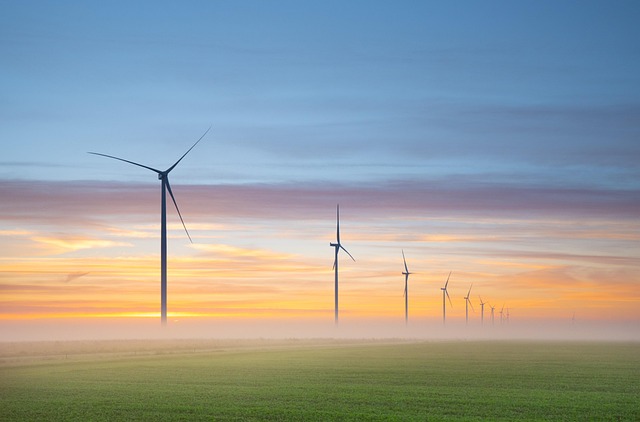
The Growing Demand for Energy from Data Infrastructure
Data centers are among the most energy-intensive industrial users. Each hyperscale facility can consume as much electricity as a small city, requiring continuous uptime and redundant systems. In Ohio, this surge stems from major technology firms seeking proximity to population hubs and fiber networks. As AI workloads multiply, the grid faces new stress points that traditional renewable capacity alone cannot yet fill. This challenge is prompting policymakers to revisit how they classify “clean” power sources to meet both economic and environmental targets.
Legislative Motivation Behind the Shift in “Clean Energy” Definition
The legislative push behind redefining clean energy stems from economic necessity as much as ideology. Lawmakers argue that expanding eligibility to include nuclear or gas-based generation with carbon capture could unlock new investment incentives for data infrastructure projects. The reclassification would allow developers to access tax credits and subsidies typically reserved for renewables. Political lobbying from both industry groups and utilities has intensified, seeking flexibility in how energy portfolios qualify under state clean energy programs.
The Technical Debate Over What Constitutes “Cleanest Energy”
The core dispute lies in defining what truly counts as the cleanest energy source in lifecycle terms. As Ohio’s power mix evolves, engineers and policymakers must weigh emissions data against scalability and reliability metrics.
Traditional vs. Emerging Definitions of Clean Energy
Historically, clean energy referred strictly to renewables such as solar, wind, and hydroelectric power. These sources remain central to decarbonization strategies but face intermittency issues that complicate integration with high-demand facilities like data centers. New proposals now include nuclear power for its zero direct emissions profile and natural gas paired with carbon capture systems to reduce its footprint. Hydrogen-based technologies are also gaining attention as flexible complements for grid balancing.
Evaluating Carbon Intensity and Lifecycle Impact
Assessing cleanliness requires more than measuring operational emissions; it involves full lifecycle analysis from extraction through consumption. For instance, while natural gas emits less CO₂ than coal during combustion, methane leakage during production can offset much of that benefit. Renewable installations carry embodied carbon costs from manufacturing steel turbines or photovoltaic panels. Advanced modeling tools used by grid operators now simulate these lifecycle impacts to inform procurement decisions tailored for data center compatibility.
Policy and Regulatory Implications for Ohio’s Energy Transition
Redefining clean energy carries significant regulatory consequences that ripple through state utilities, investors, and federal compliance frameworks.
How Redefinition Could Affect State Energy Policy
Expanding the definition would alter Ohio’s renewable portfolio standards by allowing nonrenewable but low-carbon sources to count toward compliance targets. Utilities supplying large-scale consumers like cloud providers could diversify their generation assets without breaching emission caps. Such shifts may also affect regional transmission planning across PJM Interconnection markets, influencing cross-border electricity trading between states with differing definitions of clean generation.
The Role of Federal Standards and Incentives
Federal policies such as the Inflation Reduction Act (IRA) tie tax credits to specific emissions thresholds rather than fuel types. If Ohio broadens its classification beyond federal parameters, conflicts could emerge over eligibility for those incentives. Coordination between state regulators and agencies like the EPA will be critical to maintain coherence across overlapping jurisdictions. Long-term alignment determines whether private capital flows freely into projects labeled under both state and federal “clean” categories.
Economic Drivers Behind Ohio’s Clean Energy Reassessment
Economic competitiveness is at the heart of this policy shift. Data centers act not only as digital infrastructure but also as catalysts for broader industrial growth.
Data Centers as Catalysts for Infrastructure Investment
Tech companies prioritize states offering affordable electricity with credible sustainability credentials when selecting sites for hyperscale campuses. Redefining clean energy could make Ohio more appealing by expanding available supply options while maintaining ESG-friendly optics. Each new facility triggers secondary investment in substations, transmission lines, cooling systems, and local construction employment—creating multiplier effects across regional economies.
Balancing Industrial Growth with Environmental Accountability
The dilemma lies in reconciling near-term industrial gains with long-term emission reduction commitments under national climate goals. Critics warn that stretching the definition risks diluting environmental integrity standards if fossil-based systems gain “clean” status prematurely. Transparent reporting frameworks using verifiable emissions data are essential to sustain investor trust in ESG-linked financing instruments supporting these projects.
Technological Pathways Toward Cleaner Power Solutions for Data Centers in Ohio
While policy debates continue, technology offers practical routes toward lower-carbon operations compatible with high-demand computing environments.
Integration of Renewable Sources into Data Center Operations
Hybrid configurations combining on-site solar or wind arrays with grid-based backup systems are becoming common among hyperscale operators seeking resilience against outages or price volatility. On-site microgrids further enhance reliability by managing distributed resources locally while reducing transmission losses. Long-term power purchase agreements (PPAs) allow corporations to directly fund renewable projects within Ohio’s borders, effectively greening their consumption footprint even when drawing from a mixed grid.
Emerging Low-carbon Technologies Supporting Grid Stability
Advanced nuclear reactors provide steady baseload output crucial for 24/7 operations typical of AI-driven data centers while maintaining minimal emissions profiles compared with fossil fuels. Meanwhile, integrating carbon capture equipment into natural gas plants aligns existing infrastructure with evolving definitions of clean generation without full replacement costs. Battery storage continues advancing rapidly; utility-scale installations help smooth fluctuations inherent in renewable output and stabilize frequency across regional grids.
Stakeholder Perspectives on the Changing Definition of Clean Energy in Ohio
The redefinition debate has exposed divergent priorities among technology firms, utilities, environmental advocates, and policymakers alike.
Industry Viewpoints from Technology and Utility Sectors
Technology companies favor pragmatic flexibility over ideological purity; they advocate recognizing multiple low-carbon pathways rather than relying solely on intermittent renewables that risk operational downtime. Utilities share this stance but emphasize planning certainty—they need clear regulatory signals before committing billions toward new generation assets or retrofits compatible with future compliance regimes.
Environmental and Public Policy Reactions
Environmental organizations argue that semantic reclassification undermines genuine decarbonization progress by granting “clean” labels without proportional emission cuts. Policymakers face pressure from both sides: industry demands speed while advocacy groups insist on scientific rigor in defining benchmarks like carbon intensity per kilowatt-hour delivered.
Long-term Outlook for Ohio’s Clean Energy Landscape amid Data Center Growth
Ohio stands at a crossroads where infrastructure ambition meets environmental responsibility—a balance few regions have mastered yet.
Potential Scenarios for Market Evolution
If lawmakers succeed in broadening definitions pragmatically while preserving transparency standards, hybrid portfolios blending renewables with advanced nuclear or captured-gas plants could dominate future builds. Conversely, strong opposition from environmental coalitions might delay legislation but accelerate voluntary corporate investments into pure renewables under public scrutiny pressures—a paradoxical acceleration through resistance dynamic already visible elsewhere.
Strategic Considerations for Future Energy Planning
Accurate forecasting models integrating AI-driven analytics will become indispensable tools for predicting load surges tied to digital infrastructure expansion cycles. Collaboration among regulators, utilities, academia, and private investors will shape whether Ohio emerges as a leader in redefining what constitutes truly cleanest energy within modern industrial ecosystems or remains constrained by legacy frameworks ill-suited to twenty-first-century demand curves.
FAQ
Q1: Why are lawmakers redefining “clean energy” in Ohio?
A: They aim to accommodate transitional low-carbon sources like nuclear or gas with carbon capture so data center expansion can proceed without breaching emission targets.
Q2: How do data centers influence state energy demand?
A: Each facility consumes massive continuous power loads comparable to small cities, pushing utilities toward scalable baseload solutions beyond intermittent renewables.
Q3: What risks come with broadening clean energy definitions?
A: It may weaken environmental credibility if fossil-based systems receive subsidies meant for zero-emission technologies before achieving verifiable reductions.
Q4: Can advanced nuclear be considered part of the cleanest energy mix?
A: Many experts argue yes due to minimal direct CO₂ output and reliable baseload capacity crucial for 24/7 operations like cloud computing platforms.
Q5: How might federal policies affect Ohio’s redefinition efforts?
A: Federal tax credit criteria under acts such as the IRA rely on strict emission limits; misalignment could complicate funding eligibility unless regulatory coordination improves.