
Nigerian Govt, Stakeholders to Raise $188m in Financing for 191MW of Solar Energy
Nigeria’s renewable energy sector is entering a new phase as the government and private stakeholders mobilize $188 million to finance 191MW of solar power capacity. This initiative signals a decisive shift toward sustainable infrastructure and reduced fossil fuel dependency. The program is structured to attract both local and international investors, while aligning with Nigeria’s energy transition goals under its Nationally Determined Contributions (NDCs). Experts view this as a pivotal step in strengthening renewable energy finance, diversifying the national grid, and fostering economic resilience through clean energy deployment.
Nigeria’s Renewable Energy Vision and the $188 Million Solar Initiative
Nigeria’s solar expansion strategy represents more than just an infrastructure project—it is a long-term policy intervention aimed at transforming the country’s energy landscape. The initiative underscores Nigeria’s intent to meet growing electricity demand sustainably while reducing carbon emissions.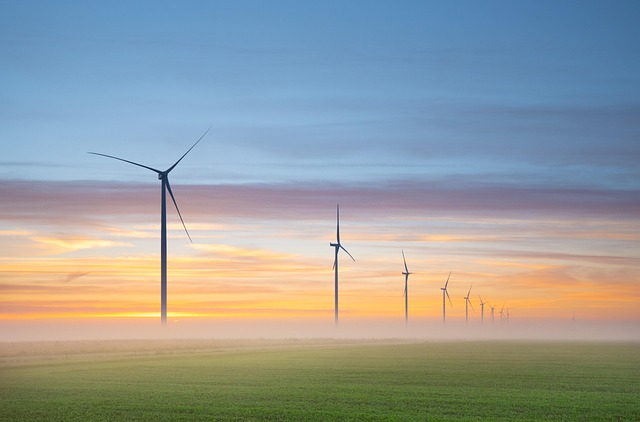
Overview of Nigeria’s Solar Expansion Strategy
The federal government’s plan to deploy 191MW of solar capacity across multiple regions forms part of its broader renewable energy roadmap. These installations will support rural electrification, industrial clusters, and public institutions. The projects are designed to integrate seamlessly into the national grid and decentralized systems, ensuring broad coverage across underserved communities. This strategy reflects Nigeria’s alignment with international climate commitments such as the Paris Agreement and regional ECOWAS renewable energy targets.
The Financial Framework Behind the Solar Ambition
The $188 million financing package is structured through a mix of equity, debt, and concessional funding. Public-private partnerships (PPPs) serve as the backbone of this model, pooling resources from development finance institutions (DFIs), commercial banks, and sovereign funds. This blended approach reduces risk exposure while stimulating private investment in clean infrastructure. Economic returns are projected through job creation in construction and maintenance sectors, while social benefits include expanded access to electricity for millions of Nigerians.
The Dynamics of Renewable Energy Finance in Nigeria
Renewable energy finance in Nigeria has matured over the past decade, driven by evolving policy frameworks and increasing investor confidence. However, challenges persist due to macroeconomic volatility and regulatory uncertainties that affect project bankability.
Current Landscape of Energy Financing Mechanisms
Nigeria’s renewable projects rely on a combination of domestic capital markets, international climate funds, and multilateral agencies such as the World Bank and African Development Bank. DFIs play a critical role by offering long-tenor loans that align with infrastructure lifecycles. Yet foreign exchange instability remains a significant concern; depreciation risks can erode returns for foreign investors unless hedging instruments are available.
Policy Instruments Supporting Renewable Energy Finance
Government incentives have been instrumental in attracting investment into solar projects. Tax holidays for renewable developers, import duty waivers on equipment, and feed-in tariffs under the Nigerian Electricity Regulatory Commission (NERC) framework enhance financial viability. The Rural Electrification Agency (REA) also provides grants for mini-grid developers through programs like the Nigeria Electrification Project (NEP). Transparent procurement processes further build investor trust by mitigating perceived political risk.
Stakeholder Roles in Driving Solar Project Implementation
Effective coordination among government bodies, financiers, and private developers determines whether Nigeria can achieve its 191MW target within schedule. Each stakeholder contributes distinct expertise—from policy design to technical execution.
Government Agencies and Policy Coordination
The Federal Ministry of Power oversees strategic planning, ensuring that solar projects align with national electrification goals. REA leads implementation efforts in rural areas through mini-grid deployment models that combine donor funding with local participation. State governments facilitate land acquisition and community engagement—two factors often overlooked but essential for smooth project rollout.
Private Sector Participation and Investment Models
Independent Power Producers (IPPs) are central players in delivering large-scale solar plants under Build-Own-Operate agreements. Financial institutions contribute through green bonds listed on local exchanges or syndicated loans structured around environmental performance metrics. Increasingly, impact investors are entering the market with funds dedicated to sustainability-linked outcomes such as gender inclusion or carbon offset generation.
Financial Instruments Shaping the Solar Market Evolution
Nigeria’s renewable energy finance ecosystem is diversifying rapidly as new instruments emerge to bridge funding gaps between early-stage development and full-scale operation.
Equity, Debt, and Blended Finance Approaches
Equity financing attracts early investors willing to assume higher risks during feasibility phases. Long-term debt instruments—often denominated in naira—are used once cash flows stabilize post-commissioning. Blended finance structures combine concessional capital from DFIs with commercial loans to reduce overall borrowing costs while maintaining profitability for private lenders.
Innovative Financing Tools for Renewable Projects
Green bond issuance has gained traction within Nigeria’s capital markets since 2017 when the first sovereign green bond was launched to fund climate-friendly projects. Crowdfunding platforms now enable diaspora Nigerians to invest directly in off-grid solar ventures serving rural households. Carbon credit mechanisms also provide supplementary revenue streams by monetizing avoided emissions under global carbon trading schemes verified by standards like Gold Standard or Verra.
Economic, Environmental, and Social Implications of the 191MW Solar Plan
Beyond power generation capacity, this initiative carries far-reaching implications for economic growth, environmental preservation, and social welfare across Nigeria.
Macroeconomic Impact on Energy Security and GDP Growth
By replacing diesel-based generation with solar power, Nigeria reduces its dependence on imported fuel products—saving foreign exchange reserves while improving trade balance stability. Construction activities will create thousands of skilled jobs across engineering supply chains. Reliable electricity access will enhance industrial competitiveness by lowering operational costs for small manufacturers.
Environmental Benefits Aligned with Climate Goals
Solar installations under this plan are expected to cut greenhouse gas emissions significantly compared with diesel baselines used in off-grid communities. This aligns directly with commitments outlined in Nigeria’s NDCs submitted under the UNFCCC framework. Over time, cleaner air quality will improve public health outcomes while promoting ecological resilience in fragile ecosystems affected by pollution from fossil fuels.
Challenges in Financing Large-scale Solar Projects in Nigeria
Despite strong momentum, several structural barriers continue to constrain large-scale solar investments within Nigeria’s emerging renewable market.
Risk Factors Affecting Capital Mobilization
Currency volatility remains one of the most pressing risks; sudden devaluation can undermine project economics even after financial close. Inflationary pressures increase input costs such as imported panels or batteries priced in foreign currency. Land disputes or delays in obtaining environmental permits also disrupt timelines and inflate budgets—issues that require proactive stakeholder management.
Strategies for Enhancing Financial Sustainability
Strengthening institutional capacity within agencies like REA is vital for consistent project evaluation standards. Expanding local currency financing options through pension funds or infrastructure banks could hedge forex exposure more effectively than external borrowing alone. Regional cooperation under ECOWAS frameworks can help attract cross-border investments by standardizing regulations across West African markets.
The Future Trajectory of Renewable Energy Finance in Nigeria
Looking ahead, scaling beyond 191MW will depend on how efficiently current lessons translate into institutional reforms that sustain investor confidence over time.
Prospects for Scaling Beyond the 191MW Target
Pipeline projects totaling over 500MW are reportedly under various stages of negotiation between public-private consortia. Regional integration initiatives like the West African Power Pool (WAPP) could allow surplus solar generation from northern states to feed neighboring grids during peak output periods—a practical step toward regional energy security.
Building a Sustainable Investment Ecosystem
Encouraging domestic pension funds’ participation could unlock long-term capital suited for infrastructure horizons exceeding ten years. Strengthened ESG compliance frameworks would attract institutional investors seeking transparent governance structures tied to measurable sustainability outcomes. Consistent policy direction from regulators remains essential so that investors perceive predictable returns rather than cyclical uncertainty tied to political transitions.
FAQ
Q1: What is the total capacity planned under Nigeria’s new solar initiative?
A: The plan targets 191 megawatts of installed solar capacity distributed across multiple regions nationwide.
Q2: How much financing has been allocated for these projects?
A: Approximately $188 million has been mobilized through combined public-private financing structures involving both domestic and international partners.
Q3: Which agencies oversee implementation?
A: The Federal Ministry of Power provides oversight while the Rural Electrification Agency manages deployment through mini-grid programs supported by state governments.
Q4: What are key financial instruments supporting these projects?
A: Instruments include green bonds, blended finance models combining concessional funds with commercial capital, and carbon credit mechanisms generating additional income streams.
Q5: How does this program contribute to national climate goals?
A: By displacing diesel-based generation with clean solar power, it supports emission reduction targets outlined under Nigeria’s Nationally Determined Contributions framework.