
Trump Policy Will Slow, But Not Halt Green Energy Investments
Global capital will not abandon green energy even if U.S. federal policy turns less supportive. While a Trump administration could reduce subsidies and shift focus toward fossil fuels, global markets have matured beyond dependence on one nation’s incentives. Institutional investors now view renewable assets as core holdings, not speculative bets. The growth of technologies like Pwrcell and distributed storage systems continues worldwide, driven by declining costs and regional climate commitments. Policy turbulence may slow progress in the short term, but the structural momentum behind green energy investments remains resilient.
The Global Context of Green Energy Investments
The landscape of green energy investments has evolved into a complex network of policy influence, private finance, and technological innovation. As capital flows diversify across continents, the global market shows increasing independence from any single government’s stance.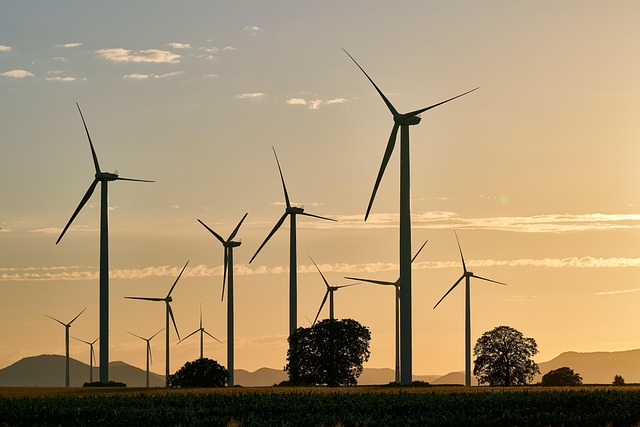
Overview of Current Green Energy Investment Trends
Global renewable investment has broadened across solar, wind, and storage sectors. According to IRENA and BloombergNEF data, annual clean energy spending surpassed $1 trillion in 2023, with Asia accounting for nearly half of total deployment. Institutional investors are embedding sustainability metrics into their portfolios, aligning long-term returns with environmental performance indicators. This integration reinforces market stability even when political signals fluctuate. Meanwhile, policy frameworks in major economies—such as the EU’s Green Deal or China’s 14th Five-Year Plan—continue to shape the direction and pace of renewable expansion.
The Role of U.S. Policy in Influencing Global Investment Patterns
U.S. federal energy policy still carries symbolic weight in setting investor sentiment worldwide. When Washington expands tax credits or loan guarantees for renewables, global developers often interpret this as validation of long-term demand growth. Conversely, uncertainty or rollback can tighten financing conditions temporarily. Domestic incentives such as the Investment Tax Credit (ITC) and Production Tax Credit (PTC) have historically driven wind and solar buildouts; their modification directly affects project pipelines. International markets also adjust strategies based on perceived U.S. regulatory direction—hedging exposure through diversified regional portfolios or accelerating local manufacturing to capture emerging opportunities.
Potential Policy Shifts Under a Trump Administration
If a new administration reprioritizes fossil fuel production and scales back renewable support mechanisms, immediate effects would ripple through domestic project planning and international confidence levels.
Expected Changes in Federal Energy Policy Direction
A Trump-led government could seek to roll back renewable subsidies and tax credits that underpin much of today’s project economics. Increased support for oil, gas, and coal infrastructure would likely follow, reshaping federal funding priorities toward traditional energy sectors. Environmental regulations governing project permitting might be relaxed to accelerate fossil infrastructure approvals while slowing certain clean energy reviews. These changes would alter risk assessments for developers relying on predictable policy continuity.
Implications for Domestic Renewable Energy Developers
For U.S.-based developers, reduced financial incentives could delay new project starts or shrink margins on existing proposals. Some firms may turn to alternative financing models such as power purchase agreements with corporate buyers or green bonds issued at state level. States like California or New York could strengthen local programs to counterbalance federal retrenchment. Supply chain adjustments may also occur if tariffs or import restrictions affect critical materials like lithium-ion cells or photovoltaic modules sourced from Asia.
Global Market Adaptation to Shifting U.S. Policies
While American policy shifts can disrupt sentiment temporarily, global markets have developed mechanisms to absorb such shocks through regional diversification and technological leadership.
Regional Responses to Potential U.S. Policy Reversals
European Union Initiatives
The EU remains committed to its carbon neutrality target by 2050 under the Fit for 55 framework. This long-term goal sustains investment momentum regardless of external political cycles. The continued expansion of green bonds and ESG-driven financing instruments ensures steady liquidity for renewable infrastructure across member states.
Asia-Pacific Developments
China continues leading global solar manufacturing capacity and large-scale deployment programs that stabilize international supply chains. In Southeast Asia, countries like Vietnam and Indonesia are expanding renewable capacity through public-private partnerships aimed at addressing rising electricity demand while reducing emissions intensity.
Latin America and Africa’s Emerging Opportunities
Latin America’s diverse resource base—from Chilean solar deserts to Brazilian hydropower—reduces exposure to policy volatility elsewhere. Across Africa, international development banks fund large-scale wind and solar projects that attract private co-investment from Europe and Asia seeking portfolio diversification.
The Evolution of Pwrcell and Related Technologies in the Global Market
Pwrcell technology exemplifies how distributed storage solutions are becoming integral to modern grid resilience strategies amid uncertain policy landscapes.
Pwrcell’s Position Within the Renewable Energy Ecosystem
Pwrcell integrates seamlessly with distributed energy resources such as rooftop solar systems or microgrids serving remote communities. Its modular architecture supports both residential backup applications and commercial load management systems. Technological improvements have enhanced storage efficiency while reducing degradation rates over time—critical factors for achieving grid flexibility during peak demand periods.
Market Trends Affecting Pwrcell Adoption Rates Globally
Price Tracking and Cost Competitiveness
Battery component costs continue their downward trajectory due to material innovations and economies of scale in cell production facilities across Asia-Pacific regions. However, currency fluctuations or trade tariffs can influence final pricing structures globally, affecting adoption rates among cost-sensitive markets.
Strategic Partnerships and Supply Chain Dynamics
Manufacturers increasingly form strategic alliances with utilities or technology firms to accelerate innovation cycles around integrated storage solutions like Pwrcell. Localization strategies—such as establishing assembly plants closer to end markets—help mitigate geopolitical risks linked to raw material sourcing disruptions or shipping constraints.
Investment Strategies Amid Uncertain Policy Landscapes
Investors navigating volatile regulatory environments are emphasizing diversification across geography and technology types while maintaining exposure to core growth sectors within clean energy.
Diversification Across Geographies and Technologies
Balanced portfolios now include assets spanning mature European markets alongside high-growth Asian economies where demand elasticity remains strong. Combining solar generation with wind farms and battery storage improves revenue stability by smoothing output variability across different weather patterns.
The Role of Private Capital and Institutional Investors in Sustaining Growth
Private equity funds, pension schemes, and sovereign wealth vehicles continue channeling capital into renewable infrastructure seeking stable yield profiles insulated from short-term politics. ESG compliance frameworks guide these allocations even when national priorities change direction temporarily—a sign that sustainability has become embedded in mainstream financial governance rather than an optional theme.
Long-Term Outlook for Green Energy Under Variable Policy Conditions
Even if federal policies oscillate between administrations, structural drivers such as cost parity with fossil fuels and technological maturity maintain forward momentum globally.
Scenarios for Global Investment Continuity or Realignment
Adaptive Market Mechanisms
Emerging decentralized finance models like green securitization provide liquidity channels independent of government budgets or tax incentives. These instruments allow investors to recycle capital efficiently into new projects while maintaining transparency over environmental performance metrics.
Technological Innovation as a Stabilizing Force
Advances in next-generation storage systems, smart grids capable of real-time balancing, and hydrogen fuel technologies collectively reduce dependency on single-market policies for growth continuity. As these innovations mature commercially, they create self-sustaining ecosystems that thrive even amid shifting political winds.
FAQ
Q1: How significant is U.S. policy for global green energy investments?
A: It remains influential but no longer decisive; diversified international funding sources cushion against abrupt U.S. shifts.
Q2: Could a rollback of subsidies under Trump halt renewable growth?
A: It might slow domestic deployment but global expansion will persist due to falling technology costs and regional commitments.
Q3: What role does Pwrcell play in current market dynamics?
A: Pwrcell strengthens distributed generation networks by providing scalable storage that enhances grid reliability during variable output periods.
Q4: How are investors protecting portfolios from political risk?
A: Through geographic diversification, blended asset structures combining renewables with storage assets, and adherence to ESG standards ensuring long-term resilience.
Q5: Which regions show strongest momentum despite U.S. uncertainty?
A: Europe maintains steady progress under binding climate targets; Asia-Pacific leads manufacturing scale; Latin America grows via multilateral financing initiatives supporting renewables at competitive cost levels.