
What Is “Clean Energy”? Is Any Kind of Energy Completely Clean?
Clean energy refers to technologies that produce minimal greenhouse gas emissions during generation. Yet, no form of energy is entirely free from environmental cost. Every system—from solar to hydropower—has embedded impacts across extraction, manufacturing, and disposal stages. The most sustainable approach is not a single source but a diversified mix where lifecycle emissions, material intensity, and circular reuse are all optimized. In practice, clean energy is a relative term describing progress toward lower-impact systems rather than an absolute state of zero harm.
Overview of Clean Energy and Sustainability Concepts
The modern energy transition relies on comparing different types of clean energy through scientific metrics rather than political slogans. To assess true sustainability, experts evaluate full lifecycles, from raw materials to decommissioning.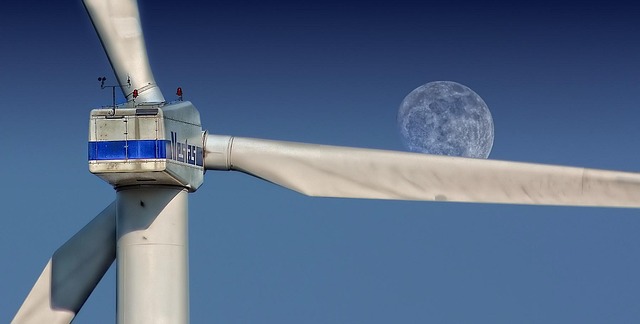
Defining Clean Energy in the Modern Energy Landscape
Clean energy encompasses low-emission or renewable sources such as wind, solar, hydropower, geothermal, and bioenergy. Renewable refers to resources naturally replenished within human timescales, while sustainable energy extends further by ensuring long-term ecological balance and social equity. Lifecycle analysis (LCA) quantifies total environmental impact by tracking emissions and resource use across production, operation, and disposal phases. For instance, a solar panel’s carbon footprint includes silicon purification and end-of-life recycling—not just its zero-emission operation.
Assessing Sustainability Beyond Emissions
Emissions alone cannot define sustainability. Mining lithium for batteries or rare earths for turbines affects land stability and water quality. Manufacturing processes consume significant energy before any clean output occurs. Waste management remains critical; without recycling infrastructure, retired panels or blades can become hazardous waste. Land use also matters: large-scale solar farms may displace habitats if poorly sited. Integrating circular economy principles—where materials are reused or repurposed—helps reduce total lifecycle burdens.
Solar Energy: Potential and Sustainability Limits
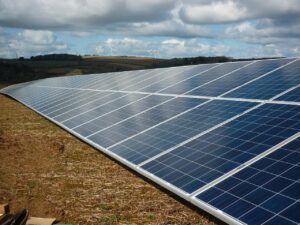
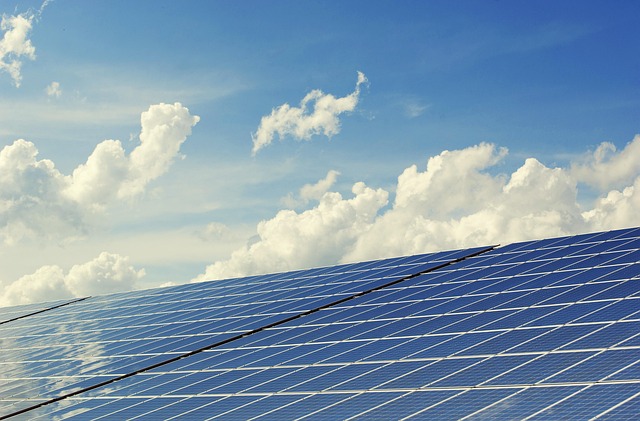
Solar power represents one of the most visible forms among types of clean energy. Yet its sustainability depends on material sourcing and end-of-life management as much as on sunlight itself.
Photovoltaic (PV) Technology and Efficiency Developments
Silicon-based PV cells dominate global installations due to mature manufacturing processes and stable performance over decades. Emerging perovskite cells promise higher efficiency but face durability challenges under humidity and UV exposure. Thin-film technologies like cadmium telluride offer flexible designs but rely on scarce elements. Conversion efficiency improvements—from around 15% in early models to over 22% commercially—have driven steep cost declines since 2010. However, degradation rates averaging 0.5% per year limit lifetime output optimization.
Environmental and Resource Challenges in Solar Energy
Solar manufacturing depends on mined inputs such as quartz for silicon or silver for conductors. Extracting these materials produces emissions and tailings that must be managed responsibly. Recycling remains limited; only a fraction of decommissioned panels currently undergo material recovery because economic incentives are weak. Geographic dependency further constrains scalability—regions with low solar irradiance require more panels to achieve equivalent output, increasing land use intensity.
Wind Power: Harnessing Atmospheric Kinetics Responsibly
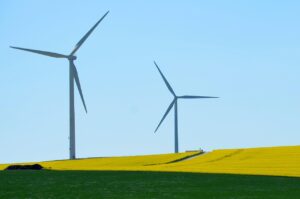
Wind power converts kinetic atmospheric motion into electricity with near-zero operational emissions but complex supply chain footprints.
Onshore vs Offshore Wind Systems
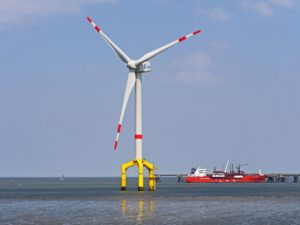
Onshore wind farms are cheaper to install but often face public opposition due to visual impact or noise concerns. Offshore systems deliver steadier output thanks to stronger sea winds yet demand costly marine foundations and transmission cables. Capacity factors vary widely—from about 30% onshore in continental Europe to over 50% offshore in the North Sea—reflecting geographic wind patterns rather than technology limits.
Ecological and Material Sustainability Factors
Wind turbines can disrupt local wildlife; bird strikes near migratory routes remain documented despite mitigation efforts like radar shutdown systems. Turbine blades made from composite resins resist corrosion but complicate recycling because thermoset polymers cannot be remelted easily. Research into recyclable thermoplastic blades offers promise but is not yet mainstream at utility scale.
Hydropower: Balancing Reliability with Ecological Impact
Hydropower provides consistent baseload power yet alters river ecosystems profoundly when poorly managed.
Categories of Hydropower Systems
Large dams with reservoirs generate high yields suitable for national grids but flood vast areas, displacing communities and altering sediment flows downstream. Run-of-river installations divert part of stream flow without major storage; their smaller footprint reduces ecological disruption but limits generation during dry seasons.
Evaluating Long-Term Sustainability in Water-Based Energy Systems
Sedimentation gradually reduces reservoir capacity, diminishing long-term efficiency unless dredging operations are maintained—a costly process both financially and ecologically. Fish migration barriers remain another concern; modern designs include fish ladders or bypass channels to mitigate effects but rarely eliminate them fully. Climate change introduces new uncertainty as shifting rainfall patterns alter river discharge reliability.
Geothermal Energy: Subsurface Heat Utilization and Constraints
Geothermal systems exploit Earth’s internal heat through wells tapping hot water or steam reservoirs—a stable yet location-specific resource.
Types of Geothermal Technologies
Dry steam plants draw vapor directly from underground fields like those in California’s Geysers region. Flash steam plants depressurize hot water to produce steam for turbines when temperatures exceed roughly 180°C. Binary cycle plants operate at lower temperatures using secondary fluids with lower boiling points; they expand deployment potential beyond volcanic zones but add complexity through heat exchanger maintenance.
Environmental Considerations for Geothermal Deployment
Continuous fluid extraction can cause minor land subsidence if reinjection rates fall below withdrawal levels. Non-condensable gases such as CO₂ or hydrogen sulfide may escape during operation unless captured through condensers or scrubbers. Geological suitability limits scalability—regions lacking sufficient geothermal gradients cannot economically host such plants despite technological advances.
Bioenergy: Renewable Yet Resource Intensive Pathway
Bioenergy links agriculture with power generation through biomass combustion or biochemical conversion processes that recycle organic carbon within short cycles.
Sources and Conversion Technologies for Bioenergy Production
Feedstocks include crop residues like corn stover, forestry by-products, algae cultures rich in lipids, or municipal solid waste streams processed into biogas via anaerobic digestion. Combustion produces heat directly; gasification converts solids into syngas; fermentation yields liquid biofuels such as ethanol or biodiesel used in transport sectors seeking decarbonization options.
Evaluating Carbon Neutrality Claims in Bioenergy Systems
Although biomass absorbs CO₂ during growth, lifecycle analyses reveal nontrivial emissions from cultivation machinery, fertilizer use, transport logistics, and combustion itself. Large-scale bioenergy may compete with food crops for arable land unless waste-based feedstocks dominate supply chains. Integrating carbon capture at biogenic emission points could enhance overall sustainability metrics by achieving net-negative outcomes under specific configurations.
Emerging Clean Energy Innovations with Sustainable Promise
Next-generation solutions aim to complement established renewables by addressing intermittency and resource constraints simultaneously.
Hydrogen as a Clean Energy Vector
Green hydrogen produced via electrolysis powered by renewables emits no CO₂ at the point of use—making it ideal for heavy industry decarbonization where direct electrification proves difficult. Yet electrolyzer manufacturing still consumes critical minerals like platinum-group metals whose availability affects scalability.
Storage, Transport, and Utilization Challenges
Hydrogen’s low volumetric density requires compression or liquefaction infrastructure alongside dedicated pipelines resistant to embrittlement effects on steel alloys. Developing global trading hubs will depend on coordinated policy frameworks similar to those governing LNG markets today.
Ocean Energy Technologies (Tidal, Wave, Thermal)
Tidal stream turbines harness predictable lunar-driven flows while wave converters capture surface oscillations from wind patterns; ocean thermal systems exploit temperature gradients between deep cold layers and warm surface waters in tropical regions. Most projects remain at pilot stage due to harsh marine conditions increasing maintenance costs relative to output gains.
Environmental Integration Concerns
Underwater installations can alter sediment transport or generate acoustic disturbances affecting marine mammals’ navigation abilities; careful site selection combined with real-time monitoring minimizes these risks while enabling valuable data collection on ecosystem responses over time.
Comparative Assessment: Can Any Clean Energy Be Fully Sustainable?
Absolute sustainability across all metrics remains elusive since every technology involves trade-offs between efficiency gains and environmental footprints.
Cross-Sectoral Evaluation Criteria
Comparative frameworks evaluate carbon intensity per kilowatt-hour alongside material throughput measured in kilograms per megawatt capacity installed; recyclability percentages indicate circularity potential while spatial footprint quantifies ecosystem intrusion risk per unit output delivered annually.
The Role of Hybrid Systems in Enhancing Sustainability
Combining multiple renewables smooths variability—solar complements wind seasonally while hydropower reservoirs act as natural storage buffers during peak demand periods supported by battery banks stabilizing frequency fluctuations within smart grid architectures increasingly adopted worldwide.
Long-Term Outlook for Global Clean Energy Transition
Future pathways point toward circular energy ecosystems integrating reuse-oriented design standards codified under ISO 14040 LCA guidelines together with policy incentives promoting extended producer responsibility schemes ensuring closed-loop recovery across supply chains globally coordinated under IEA frameworks guiding decarbonization trajectories toward mid-century neutrality goals aligned with Paris Agreement commitments.
FAQ
Q1: What defines whether an energy source is considered clean?
A: It depends mainly on its greenhouse gas emissions profile across its entire lifecycle rather than just during operation time.
Q2: Why isn’t solar power completely sustainable?
A: Because mining raw materials like silver creates upstream impacts while limited recycling capacity leaves end-of-life waste unresolved today.
Q3: Which type among the types of clean energy has the highest reliability?
A: Hydropower typically offers the most consistent generation though it carries significant ecological trade-offs related to river modification.
Q4: How does hydrogen fit into future clean energy systems?
A: Hydrogen acts as a versatile carrier enabling storage of surplus renewable electricity for later industrial use where direct electrification remains impractical.
Q5: Can combining different renewables make the system more sustainable?
A: Yes; hybrid configurations reduce intermittency issues while distributing environmental loads more evenly across technologies within integrated grids.