
Home Wind Turbines: When Do They Make Sense?
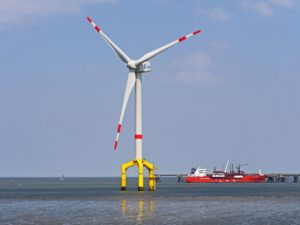
Residential wind power has moved from novelty to practical option in some regions. For homes in windy areas, small turbines can complement or even replace grid electricity. Yet the decision depends on more than just average wind speed—it’s about technical feasibility, economics, and environmental fit. In short, windmill power for home use makes sense where consistent wind resources, supportive policy frameworks, and modern turbine technologies align.
Assessing the Viability of Windmill Power for Residential Use
Before investing in a home turbine, one must assess whether the site can sustain continuous and efficient operation. This involves analyzing local climate data and physical surroundings that affect airflow.
Evaluating the Technical Feasibility of Home Wind Systems
The first step is measuring wind resource availability through long-term data or anemometer readings at hub height. Average speeds above 5 m/s are typically required for economic viability. Hub height matters because wind speed increases with altitude while turbulence decreases. Trees, buildings, and uneven terrain can create turbulence that reduces output and accelerates wear. In open rural settings or coastal areas, turbines perform best. Homeowners must also decide between grid-connected systems—which allow energy export via net metering—and off-grid setups requiring batteries for storage and autonomy.
Understanding Energy Yield and Capacity Factors
Annual Energy Production (AEP) estimates rely on the turbine’s power curve combined with local wind speed distribution. The capacity factor for small residential turbines often ranges between 10% and 25%, depending on site conditions. Seasonal variability can cause fluctuations in supply; winter months may yield double the summer output in temperate zones. Compared to photovoltaic panels, wind generation is less predictable but can complement solar by producing more during cloudy or night periods.
Economic Considerations in Residential Wind Energy Deployment
Financial aspects determine whether a project remains a passion project or a sound investment. Costs vary widely depending on turbine size, system configuration, and installation complexity.
Capital Investment and Operational Costs
A typical small turbine includes major components such as rotor blades, tower structure, inverter system, and foundation works. Installation costs can represent up to 20% of total capital expenditure due to specialized equipment and labor needs. Maintenance involves regular inspection of bearings, lubrication systems, and electrical connections every six months to maintain reliability over a 20-year lifespan. Unlike utility-scale projects benefiting from economies of scale, small systems face higher per-kilowatt costs but lower permitting barriers.
Financial Incentives and Policy Frameworks
Government incentives significantly influence adoption rates. Tax credits covering 20–30% of system cost or feed-in tariffs guaranteeing premium purchase prices can shorten payback periods by several years. Net metering allows homeowners to offset consumption with exported energy credits, improving return on investment when grid access exists. However, regional policy differences remain stark—some jurisdictions promote distributed wind through streamlined permitting while others impose restrictive zoning or noise limits that hinder deployment.
Technological Developments Enhancing Residential Wind Feasibility
Recent innovations have made small-scale wind more reliable and user-friendly than earlier generations plagued by noise or mechanical failures.
Advances in Turbine Design and Materials
Modern residential turbines employ refined blade aerodynamics that increase efficiency at low wind speeds while reducing acoustic emissions below 45 dB at ten meters distance—quiet enough for suburban use. Composite materials such as carbon-reinforced polymers improve strength-to-weight ratios and corrosion resistance in coastal climates. Smart sensors integrated into control systems now track vibration patterns and output data for predictive maintenance alerts via mobile apps.
Hybrid Energy Systems Combining Wind with Other Renewables
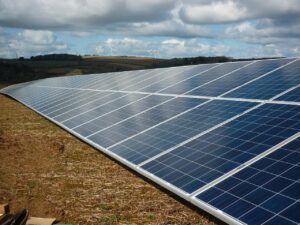
Combining turbines with rooftop solar creates hybrid microgeneration setups balancing seasonal variations: solar dominates summer days while wind covers winter nights. Battery storage—typically lithium-iron-phosphate units—smooths short-term intermittency by storing excess generation for later use during calm periods. Coupled with smart grid interfaces, these hybrid systems can dynamically adjust household loads based on real-time supply conditions.
Environmental and Spatial Implications of Home Wind Installations
While clean energy brings clear benefits, its spatial footprint still requires careful planning within community contexts.
Land Use, Zoning, and Aesthetic Considerations
Small turbines generally need open space free from obstructions within a radius equal to twice their height to avoid turbulence effects. In suburban neighborhoods, visual impact often sparks debate; slender tower designs or roof-mounted models help mitigate concerns but may reduce efficiency slightly. Compliance with local noise regulations—often capped at 40 dB(A) at property boundaries—is essential for neighbor acceptance.
Ecological Impact Assessment of Small Wind Systems
Studies show limited wildlife disturbance when siting avoids migratory corridors or nesting zones of sensitive bird species. Material sustainability also plays a role: recyclable aluminum towers and biodegradable lubricants lessen lifecycle impacts compared to older steel-heavy designs. End-of-life recycling programs are emerging as manufacturers take responsibility for blade disposal challenges through composite repurposing initiatives.
Performance Evaluation Metrics for Experts in Distributed Wind Energy
For professionals assessing operational success, performance metrics provide objective insight beyond anecdotal satisfaction.
Key Performance Indicators (KPIs) for Home Turbines
Key indicators include capacity factor benchmarking across models under similar conditions to gauge relative efficiency. Power curve validation using field measurements ensures manufacturer claims match real-world behavior across varying wind regimes. Reliability is tracked through Mean Time Between Failures (MTBF), where top-tier residential units now achieve over 5,000 hours between service interruptions.
Data Analytics and Predictive Maintenance in Small Wind Applications
IoT-based monitoring platforms collect continuous data streams from sensors embedded in nacelles and controllers. Machine learning algorithms analyze vibration signatures to forecast bearing wear before faults occur—minimizing downtime through scheduled maintenance rather than reactive repairs. These digital tools transform small turbines from passive devices into actively managed assets within home energy ecosystems.
Strategic Outlook: When Does Windmill Power Make Sense at Home?
Residential wind becomes most practical under specific geographic and economic conditions rather than as a universal solution.
Identifying Ideal Conditions for Adoption
Regions with average annual winds above 6 m/s—such as coastal plains or elevated ridges—offer viable potential for consistent generation. Homes seeking resilience against grid outages benefit from off-grid configurations paired with storage systems providing autonomy during blackouts or emergencies.
Integrating Residential Wind into Broader Energy Transition Goals
Distributed microgeneration contributes meaningfully to decarbonization targets by diversifying renewable sources beyond solar dominance. As nations pursue decentralized grids emphasizing prosumer participation, household-scale turbines enhance flexibility while supporting national renewable quotas without requiring large land footprints.
FAQ
Q1: What minimum wind speed is needed for home turbines?
A: Most small residential turbines operate efficiently from around 5 m/s average annual speed; below this threshold energy yield declines sharply.
Q2: How noisy are modern home turbines?
A: Current models typically produce less than 45 dB measured ten meters away—comparable to background conversation levels.
Q3: Can a home turbine fully replace grid power?
A: In ideal windy locations with storage support it’s possible; however many households use hybrid setups combining grid backup with renewables.
Q4: What maintenance does a small turbine require?
A: Routine checks every six months covering lubrication points, bolts tightening, inverter diagnostics, and brake inspections maintain performance longevity.
Q5: Are there restrictions on installing turbines in urban areas?
A: Yes; zoning laws often limit tower height or proximity to property lines due to noise or aesthetic concerns though some cities allow roof-mounted micro-turbines under permit review.