
Former Tesla Owners Reveal Why They Got Rid of Their Vehicles
Once celebrated as the pinnacle of electric innovation, Tesla Inc cars are now facing a shift in perception among early adopters. Many former owners cite declining build quality, inconsistent service experiences, and leadership controversies as reasons for parting ways with the brand. The company’s initial aura of exclusivity has faded amid growing competition and changing consumer expectations. This article explores how Tesla’s brand image evolved, what factors drove customer dissatisfaction, and what strategic opportunities remain to rebuild trust among expert consumers.
Shifting Perceptions of Tesla Inc Cars Among Early Adopters
Tesla’s early adopters once viewed the brand as a visionary force redefining mobility. However, as the electric vehicle (EV) market matured, perceptions shifted from admiration to critical evaluation.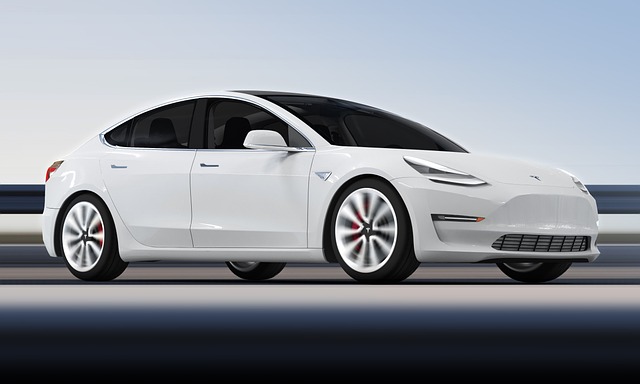
The Evolution of Tesla’s Brand Image
At its peak, Tesla symbolized innovation, sustainability, and technological leadership. Its vehicles stood for a clean-energy future powered by bold engineering choices. Over time, though, controversies surrounding leadership behavior and public communication began to reshape public sentiment. Investors and consumers grew wary of statements that blurred the line between corporate identity and personal expression. As other automakers entered the EV market with comparable technology and design sophistication, Tesla’s once-exclusive status became less distinct. Market saturation transformed what was once a futuristic badge into a mainstream option.
Changing Consumer Expectations in the EV Market
Early adopters were driven by novelty and environmental ideals. They accepted imperfections because they believed in the mission. Today’s buyers are different—they expect reliability, comfort, and seamless service equal to luxury brands like BMW or Mercedes-Benz. As competition intensified, benchmarks for performance and quality shifted upward. Former owners now compare Tesla Inc cars against diversified EV portfolios offering superior craftsmanship or after-sales support. The emotional attachment that once defined ownership has given way to pragmatic decision-making.
Product Quality and Reliability Concerns
Product consistency remains one of the most cited reasons for owner dissatisfaction. Rapid scaling exposed weaknesses in manufacturing oversight that affected both new deliveries and long-term ownership satisfaction.
Build Quality and Manufacturing Variability
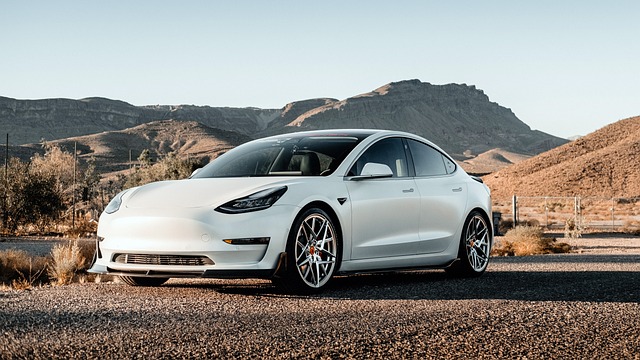
Reports from multiple regions highlight inconsistencies in fit-and-finish across models such as Model 3 and Model Y. Misaligned panels or uneven paintwork may seem minor individually but collectively undermine confidence in premium pricing claims. Rapid production expansion at facilities like Fremont and Shanghai created pressure on quality control systems not yet optimized for high-volume output. Some former owners described issues emerging within months—rattles, trim detachment, or premature wear—raising concerns about durability relative to competitors who have decades of experience refining mass production.
Software Glitches and Over-the-Air Update Fatigue
Tesla’s software-driven architecture was initially revolutionary but later became a double-edged sword. Frequent over-the-air updates introduced new features yet occasionally disrupted existing functionality or user interface familiarity. Owners reported frustration when updates altered driving behavior or reset preferences without warning. For some technically inclined users, this constant evolution felt experimental rather than stable product stewardship. Dependence on digital systems also complicated maintenance; diagnosing faults often required specialized remote intervention rather than local mechanical expertise.
Service Experience and Customer Support Challenges
Beyond product quality, service accessibility has emerged as another breaking point for many former owners seeking consistent aftercare aligned with premium expectations.
Accessibility of Service Centers and Repair Delays
In several regions, limited service infrastructure led to long repair queues stretching weeks or months. The shortage of parts further extended downtime even for minor issues like door handles or sensors. While mobile service teams improved convenience for basic tasks, complex repairs still demanded travel to distant centers. Such delays contrast sharply with traditional automakers’ extensive dealer networks capable of same-week turnaround times.
Customer Communication and Support Responsiveness
Tesla’s digital-first approach to customer interaction prioritized efficiency but often sacrificed personalization. Automated replies replaced human communication during complex service disputes, leaving customers feeling unheard. Some owners shared experiences of unresolved tickets lingering without escalation pathways. When premium pricing meets inconsistent support responsiveness, perceived value erodes quickly—especially among professionals accustomed to concierge-level care from luxury brands.
Market Competition Redefining Value Perception
Tesla no longer defines the EV standard alone; it now competes within an ecosystem where alternatives match or exceed its offerings across multiple dimensions.
Emergence of New EV Competitors Offering Comparable Features
Brands such as Rivian, Lucid Motors, BMW i-series, and Mercedes EQ lineup introduced electric vehicles combining design refinement with advanced driver assistance systems rivaling Autopilot capabilities. Broader charging partnerships through networks like IONITY or Electrify America enhanced convenience beyond Tesla’s proprietary Supercharger advantage in certain markets. Competitive pricing strategies undercut Tesla’s dominance by offering similar range at lower cost while emphasizing interior craftsmanship—a factor many ex-owners cite as decisive when switching brands.
Advancements in Battery Technology Across the Industry
While Tesla pioneered large-scale lithium-ion integration, other manufacturers have caught up through innovations improving energy density and charging speed. Research into solid-state batteries by Toyota and QuantumScape attracted attention from performance-focused consumers seeking next-generation safety margins and longevity benefits. Some former owners expressed disappointment that Tesla Inc cars appeared slower to adopt breakthrough chemistry compared with earlier years when each model felt like a leap forward rather than incremental refinement.
The Role of Leadership Perception in Brand Loyalty Erosion
Leadership image can shape corporate destiny as strongly as product performance itself; recent years illustrate how personal branding choices reverberate across consumer trust metrics.
Public Relations Impact on Consumer Sentiment
Public statements made through social media platforms influenced professional buyers’ perception of corporate maturity. Controversial remarks occasionally overshadowed engineering achievements, leading some environmentally conscious consumers to distance themselves despite alignment with sustainable goals. Analysts note that this disconnect between executive persona and product excellence weakened emotional loyalty among early advocates who once viewed Tesla as more movement than manufacturer.
Organizational Focus Shift from User Experience to Market Expansion
As production targets grew ambitious—particularly around gigafactory scaling—the company’s focus appeared increasingly operational rather than experiential. Metrics emphasizing delivery volume sometimes displaced those centered on customer satisfaction or continuous refinement cycles familiar in mature automotive firms. Former loyalists interpreted this shift as divergence from Tesla’s founding ethos: blending design elegance with ecological responsibility through uncompromising attention to detail.
Future Outlook for Tesla’s Brand Relevance Among Expert Consumers
Despite challenges, opportunities remain for recalibration if leadership re-engages core principles that first inspired its community: transparency, craftsmanship, and genuine innovation.
Opportunities for Rebuilding Trust Through Transparency and Quality Improvements
Restoring confidence begins with clear communication around software changes—explaining purpose before deployment could reduce user anxiety about unexpected interface shifts. Strengthening internal quality assurance frameworks would address recurring fit-and-finish complaints while signaling renewed respect for craftsmanship standards expected at luxury price points. Transparent engagement from executives during technical controversies might also rebuild credibility among engineers who value accountability over marketing rhetoric.
Potential Strategic Adjustments to Retain High-End Consumers
Future relevance depends on aligning engineering ambition with ownership comfort expectations typical in premium segments. Upgrading interior materials across models could attract discerning buyers seeking tactile refinement alongside performance metrics. Expanding global service capacity would demonstrate commitment beyond sales growth toward lifecycle satisfaction parity with established automakers like Lexus or Audi. Finally, refocusing R&D priorities on next-generation battery architecture rather than short-term volume goals may reignite enthusiasm among expert consumers craving authentic technological progress instead of incremental updates.
FAQ
Q1: Why are some former owners dissatisfied with Tesla Inc cars?
A: Many cite inconsistent build quality, software instability after updates, limited service availability, and frustration over delayed customer support responses.
Q2: Has competition influenced how people view Tesla today?
A: Yes, increased competition from legacy automakers offering refined interiors and competitive range has diluted Tesla’s exclusivity while raising consumer expectations across the EV sector.
Q3: How does leadership behavior affect brand loyalty?
A: Leadership communication on social media can shape brand trust; controversial remarks have alienated certain demographics who previously admired Tesla’s mission-driven image.
Q4: What improvements could help rebuild consumer confidence?
A: Enhancing transparency about software changes, improving manufacturing consistency, expanding service infrastructure, and prioritizing user experience over production targets could all restore trust.
Q5: Are early adopters completely abandoning electric vehicles?
A: No; most remain committed to electrification but increasingly choose alternatives offering better reliability or comfort while maintaining environmental integrity similar to what first drew them to Tesla Inc cars.