
Balcony Solar: A Game-Changer for Urban Energy Solutions
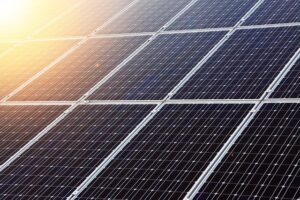
Balcony solar systems are reshaping how cities generate and consume electricity. Compact, modular, and easy to install, these systems enable apartment dwellers to produce renewable power directly from their balconies. They bridge the gap between large-scale solar farms and individual households, offering a practical path toward urban energy independence. As cities face rising energy costs and stricter carbon targets, balcony solar solutions stand out as both a technological and social innovation that democratizes access to clean energy.
The Emergence of Balcony Solar Systems in Urban Energy Landscapes
Balcony solar systems have emerged as a response to the growing demand for decentralized renewable generation in dense metropolitan areas. Their development aligns with global efforts to reduce reliance on centralized grids while empowering residents to participate directly in the energy transition.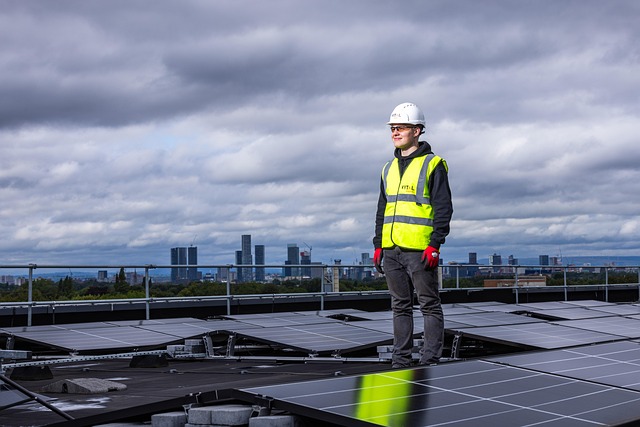
Definition and Technical Structure of Balcony Solar Systems
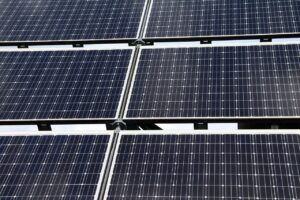
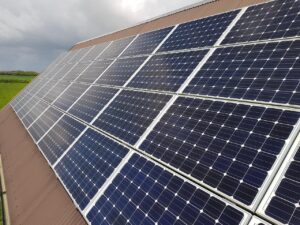
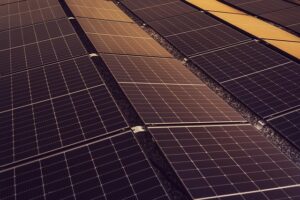
A balcony solar system typically consists of small photovoltaic (PV) panels mounted on balcony railings or facades, paired with microinverters that convert DC power into AC for household use. Unlike conventional rooftop arrays, these systems are plug-and-play units designed for easy installation without structural modification.
Differentiation from Traditional Rooftop or Ground-Mounted Systems
Traditional rooftop or ground-mounted solar systems require significant space and professional installation. Balcony setups differ by being compact, portable, and often user-installed. They cater specifically to multi-unit buildings where roof access is limited or shared among tenants.
Relevance to High-Density Urban Environments
In high-rise districts where land scarcity limits renewable deployment, balcony solar offers an adaptable solution. It enables urban residents—especially renters—to contribute to local clean energy generation without requiring ownership of roof space or land.
Drivers Behind the Adoption of Balcony Solar Solutions
The adoption of balcony solar technology is not merely a trend but a logical evolution driven by urban realities and policy momentum toward distributed generation.
Urbanization Trends and Limited Rooftop Space Challenges
As cities grow vertically, available rooftop area per capita declines. Many buildings lack suitable roofs for traditional solar installations due to shading or shared ownership structures. Balconies provide alternative surfaces that can host small PV modules efficiently.
Policy Incentives Promoting Micro-Generation in Cities
Governments across Europe and Asia have introduced subsidies and simplified registration processes for micro-generation units under 800 W capacity. These policies encourage residential participation in renewable programs while reducing administrative barriers.
Growing Consumer Awareness of Decentralized Energy Generation
Public interest in self-sufficiency and sustainability has surged. Consumers increasingly view balcony solar as both an environmental statement and a practical investment against volatile electricity prices.
Technical Architecture and Integration of Balcony Solar Systems
The technical design of balcony solar installations reflects both engineering precision and adaptability to existing building infrastructures.
Core Components and System Design
Each unit includes photovoltaic panels, microinverters for AC conversion, mounting brackets compatible with various railing types, and safety connectors compliant with IEC standards. The system connects directly into household sockets through certified interfaces ensuring safe feed-in operation.
Electrical Integration with Residential Power Circuits
Power generated by the panels offsets domestic consumption by feeding directly into internal circuits. Excess power can be stored locally if paired with batteries or exported via grid-interactive setups depending on local regulation.
Safety Mechanisms and Grid Compliance Requirements
Compliance with international standards such as IEC 62109 ensures protection against overvoltage, reverse current flow, and overheating. Many countries also require anti-islanding features to safeguard grid stability during outages.
Efficiency Optimization in Limited Spaces
Urban balconies present physical constraints; however, thoughtful design can yield remarkable efficiency gains even within tight footprints.
Orientation, Tilt, and Shading Considerations for Urban Balconies
Optimal orientation toward the sun—typically south-facing in the Northern Hemisphere—maximizes output. Adjustable tilt mounts help compensate for suboptimal angles caused by building geometry or nearby obstructions.
Advances in High-Efficiency PV Cells Suitable for Compact Installations
Recent advances in heterojunction (HJT) and TOPCon cell technologies deliver higher conversion rates exceeding 22%, making them ideal for small-area applications like balconies where every square meter counts.
Role of Smart Monitoring Systems in Maximizing Output Performance
IoT-based monitoring platforms allow users to track real-time performance via mobile apps. Predictive analytics detect inefficiencies early, improving long-term yield consistency even under variable urban conditions.
Energy Efficiency Implications for Urban Buildings
Balcony solar contributes directly to building-level energy metrics while complementing broader sustainability frameworks adopted by modern cities.
Contribution to Building Energy Performance Metrics
Locally generated electricity reduces grid draw during daylight hours, improving overall building energy intensity ratings used in certifications such as LEED or BREEAM.
Impact on Building Energy Ratings and Sustainability Certifications
Integrating balcony PV arrays supports compliance with municipal green building codes that reward on-site renewable generation through tax incentives or expedited permitting pathways.
Integration with Building Management Systems for Optimized Load Balancing
When linked with digital management platforms, balcony systems can coordinate power flows between apartments, elevators, lighting circuits, or HVAC equipment to balance loads dynamically throughout the day.
Synergy with Other Urban Sustainability Technologies
Balcony solar rarely operates in isolation; its value multiplies when integrated within broader smart-city ecosystems.
Pairing Balcony Solar with Energy Storage Solutions
Compact lithium-ion batteries allow surplus daytime production to be stored for evening use. This pairing enhances self-consumption ratios beyond 70% even in small apartments.
Interaction with Electric Vehicle Charging Infrastructure
Residents using plug-in hybrids or EVs can channel balcony-generated power through wall-mounted chargers during peak sunlight hours—reducing dependence on external supply networks.
Complementary Role Alongside Green Roofs and Passive Design Strategies
Balcony PV complements passive cooling strategies like green roofs by lowering façade heat gain while producing clean electricity simultaneously—a dual benefit particularly relevant in hot climates.
Economic and Regulatory Dimensions of Balcony Solar Deployment
Economic feasibility remains central to widespread adoption; however regulatory clarity is equally crucial for scaling distributed generation models effectively across cities.
Cost Structures and Return on Investment Models
Typical installation costs range between $400–$800 per unit depending on panel efficiency. Payback periods average five to seven years under self-consumption models given current electricity tariffs across major European capitals.
Influence of Feed-In Tariffs, Net Metering, and Self-Consumption Models
Policy frameworks vary widely: some jurisdictions support net metering allowing credit offsets; others emphasize direct self-use which maximizes household savings but limits export potential.
Long-Term Maintenance Considerations Affecting Lifecycle Costs
Maintenance requirements are minimal—periodic cleaning suffices—but inverter replacement after 10–12 years should be factored into lifecycle cost assessments when calculating ROI projections.
Policy Frameworks Supporting Urban Solar Adoption
Municipal governments play an instrumental role by adapting codes that accommodate small-scale photovoltaics safely within dense residential zones.
Overview of National and Municipal Regulations Enabling Balcony Solar Use
Several European countries classify plug-in balcony systems below specific wattage thresholds as “appliances,” exempting them from full electrical permitting—a move that significantly accelerates adoption rates among tenants.
Building Code Adaptations for Small-Scale Photovoltaic Installations
Revised construction norms now include load-bearing tests for railing-mounted devices ensuring structural integrity while maintaining aesthetic harmony across façades.
Incentive Programs Fostering Residential Participation in Distributed Generation
Grants covering up to 30% of hardware costs are increasingly common at municipal levels alongside simplified registration portals that promote citizen-driven energy initiatives aligned with national decarbonization goals.
Technological Innovations Redefining Balcony Solar Potential
Innovation continues at both material science and digital integration fronts transforming how balcony PV interacts within smart urban ecosystems.
Emerging Trends in Photovoltaic Materials and Design Aesthetics
Lightweight semi-transparent modules blend seamlessly into glass balustrades without obstructing views. Flexible thin-film materials adapt easily across curved railings expanding architectural possibilities beyond conventional flat panels.
Use of Flexible Materials to Adapt to Diverse Balcony Structures
Flexible laminates using CIGS technology tolerate partial shading better than crystalline silicon alternatives making them ideal where sunlight exposure fluctuates throughout the day due to nearby buildings or trees.
Design Considerations Balancing Performance with Visual Appeal in Urban Settings
Manufacturers increasingly prioritize visual integration offering color-matched frames or frameless designs that complement modern architecture while maintaining performance parity with standard modules.
Digitalization and Smart Grid Connectivity Enhancements
The digital layer transforms simple plug-in panels into intelligent nodes contributing data-driven insights across interconnected city networks.
Role of IoT-Enabled Devices in Real-Time Performance Tracking
Smart plugs embedded with communication chips transmit live production data enabling homeowners—and utilities—to monitor aggregated behavior patterns essential for grid planning accuracy at micro levels.
Data-Driven Optimization for Predictive Maintenance and Energy Forecasting
Machine learning algorithms analyze historical output trends predicting degradation events before they occur thus extending component longevity beyond manufacturer expectations under typical operating conditions.
Integration into Peer-to-Peer Energy Trading Platforms Within Smart Cities
Blockchain-based marketplaces now allow neighbors within the same complex to exchange surplus electricity credits securely fostering localized circular economies around renewable generation assets like balcony PV arrays.
Future Prospects for Balcony Solar Systems in Urban Energy Networks
The next decade will likely witness exponential scaling as distributed models integrate deeper into metropolitan planning agendas worldwide.
Scaling Up Distributed Generation Models
Aggregating thousands of micro-installations could collectively form neighborhood-level virtual power plants supporting grid resilience during peak demand scenarios while empowering communities economically through shared ownership schemes.
Collaborative Frameworks Between Utilities, Developers, and Residents
Utilities are beginning pilot programs where developers pre-install sockets compatible with future plug-in PV units anticipating tenant demand—a proactive approach aligning infrastructure readiness with consumer trends.
Challenges Related to Grid Stability, Standardization, and Interoperability
Despite progress challenges persist including harmonizing connection standards across regions ensuring voltage stability under fluctuating micro-inputs especially during midday surges typical within dense residential clusters.
Strategic Pathways Toward Sustainable Urban Electrification
Balcony solar will remain pivotal within broader strategies targeting carbon neutrality timelines set under international agreements such as the Paris Accord.
Alignment with Global Carbon Neutrality Goals and Renewable Energy Targets
By decentralizing production capacity these systems contribute measurable emissions reductions supporting national commitments under frameworks monitored by IEA’s annual renewables outlook reports globally recognized benchmarks tracking progress toward 2050 targets.
Role of Balcony Solar in Enhancing Resilience Against Power Disruptions
During localized blackouts self-contained microgrids powered partly by balcony arrays sustain critical household functions demonstrating resilience benefits beyond pure economics—a factor gaining relevance amid climate-induced grid stress events worldwide.
Long-Term Vision for Decentralized Citizen-Driven Energy Ecosystems in Metropolitan Areas
Ultimately widespread adoption could transform consumers into active prosumers shaping participatory energy democracies where collective decision-making determines local generation priorities reinforcing civic engagement alongside environmental stewardship.
FAQ
Q1: How much power can a typical balcony solar system generate?
A: Most two-panel setups produce between 300–800 watts depending on module efficiency and sun exposure levels throughout the year.
Q2: Can tenants legally install these systems without landlord approval?
A: Regulations differ; some regions require consent due to façade alterations while others classify units as temporary fixtures not needing formal permission.
Q3: Are there safety risks associated with plug-in connections?
A: Certified devices include built-in protection mechanisms meeting IEC standards ensuring safe disconnection during faults or grid outages.
Q4: What maintenance do these systems require?
A: Regular cleaning twice yearly usually suffices though periodic inspection of cables prevents wear-related losses over time.
Q5: Do balcony solar systems work during cloudy days?
A: Yes though output decreases proportionally since diffuse sunlight still generates partial current allowing continued though reduced operation even under overcast skies.