
As Oil Shocks Accelerate The Quest For Alternative Energy
Repeated oil shocks have become a defining feature of modern energy markets, exposing the fragility of fossil fuel dependence. As volatility rises, nations and investors are accelerating their pivot toward alternative energy systems that promise greater stability, lower emissions, and strategic autonomy. The evidence from past crises and current market data shows that renewable and low‑carbon technologies are not merely substitutes but structural solutions reshaping global energy security. The transition is no longer optional; it is a strategic imperative.
The Strategic Context of Accelerating Oil Shocks
Oil market turbulence now interacts with broader global shifts—climate goals, supply chain disruptions, and technological innovation—to redefine the economic calculus of energy policy.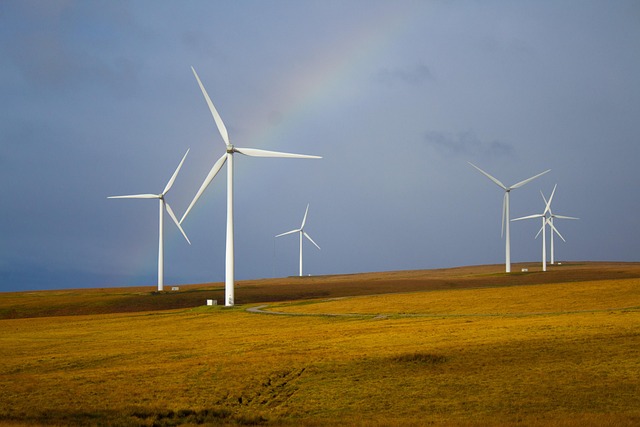
Understanding the Global Energy Transition Dynamics
Recurring oil shocks disrupt economic stability by triggering inflation, trade imbalances, and political tension. Historical data from the International Energy Agency (IEA) indicate that each major price spike since the 1970s has reduced global GDP growth by up to 1%. This cyclical strain has pushed governments to rethink dependence on imported hydrocarbons. Geopolitical instability in key producing regions amplifies these risks, while supply chain vulnerabilities—from refining bottlenecks to maritime chokepoints—further erode confidence in fossil reliability. As volatility persists, investors increasingly redirect capital into renewables and grid modernization projects that offer predictable returns and policy alignment with decarbonization targets.
Historical Patterns of Oil Dependency and Transition Responses
Past oil crises reveal a familiar pattern: short-term panic followed by long-term innovation. The 1973 embargo prompted efficiency standards in transport and industrial sectors; the 2008 price surge accelerated solar and wind adoption through feed-in tariffs in Europe and Asia. Each episode underscored how policy frameworks evolve under pressure. Fossil fuel reliance tends to cycle with technological adaptation—cheap oil slows progress, while scarcity revives it. Lessons from these transitions show that consistent investment in research and infrastructure yields resilience when markets tighten again.
The Role of Alternative Energy in a Shifting Energy Landscape
As fossil markets fluctuate, alternative energy emerges as both an economic stabilizer and a geopolitical equalizer.
Defining Alternative Energy Within Modern Energy Systems
Alternative energy encompasses solar photovoltaics, wind turbines, geothermal systems, bioenergy conversion, and nuclear generation. These sources differ in origin but share a goal of reducing carbon intensity. Renewable options like wind and solar depend on natural cycles; low‑carbon alternatives such as nuclear or carbon capture bridge current demand gaps; transitional fuels like hydrogen enable sector coupling between power and heavy industry. Hybrid systems—mixing renewables with storage or gas backup—enhance grid resilience against intermittency.
Evaluating Technological Maturity and Scalability
Technology readiness varies widely. Solar PV has reached commercial maturity with module costs dropping over 80% since 2010 (IRENA). Offshore wind remains capital intensive but scales rapidly through modular design. Geothermal’s growth is constrained by location-specific geology yet offers unmatched baseload stability. Large-scale deployment demands robust transmission networks, digital control systems, and storage capacity to balance fluctuating output. Innovation trends such as bifacial panels or advanced turbine blades continue to lift efficiency while narrowing cost gaps with legacy fuels.
Economic Implications of Transitioning Toward Alternative Energy
The economics of alternative energy have shifted from subsidy-driven growth to competitive market positioning.
Investment Trends in Renewable Infrastructure
Following each oil shock, global capital flows into clean energy surge. BloombergNEF reports annual renewable investment exceeding $500 billion since 2022—a record pace driven by institutional funds seeking inflation hedges. Public‑private partnerships underpin large-scale adoption through risk-sharing models that blend state guarantees with private innovation capacity. Emerging markets now lead new installations; nations like India and Brazil attract foreign direct investment due to favorable policy frameworks and abundant natural resources.
Cost Competitiveness and Market Disruption Potential
The levelized cost of electricity (LCOE) for solar and onshore wind now undercuts new coal or gas plants in most regions (IEA). Declining technology costs reshape long-term forecasts: renewables are projected to supply two‑thirds of new capacity additions this decade. This shift disrupts traditional utilities reliant on centralized generation models while creating opportunities for distributed producers and storage providers.
Policy Frameworks Supporting Alternative Energy Adoption
Governments act as catalysts for transition through regulation, incentives, and international coordination mechanisms.
Regulatory Mechanisms Driving the Shift from Oil Dependence
Carbon pricing schemes internalize environmental costs; renewable portfolio standards mandate cleaner generation mixes; targeted subsidies de-risk early-stage projects. International cooperation under the Paris Agreement aligns national strategies around net-zero objectives while promoting technology transfer across borders. Industrial policies increasingly tie decarbonization goals to domestic manufacturing incentives for batteries or hydrogen equipment.
Governance Challenges in Managing Transition Risks
Policy inconsistency remains a barrier to investor confidence—frequent subsidy revisions or unclear permitting rules deter long-term capital commitments. Equitable transition mechanisms are vital: regions reliant on fossil extraction require retraining programs and fiscal support to avoid social dislocation. Institutional reforms must also strengthen cross-sector coordination between energy, finance, transport, and labor ministries to manage systemic change effectively.
Technological Convergence Accelerating the Energy Transition
Digital transformation now interlinks with physical infrastructure evolution across the entire energy value chain.
Integration of Digitalization with Alternative Energy Systems
Artificial intelligence optimizes grid operations by forecasting demand patterns; IoT sensors monitor real-time asset performance; blockchain platforms verify renewable certificates transparently across markets (IEEE). Predictive maintenance reduces downtime for turbines or panels by detecting anomalies before failure occurs. However, increased connectivity raises cybersecurity risks—distributed networks require resilient encryption protocols to prevent cascading outages.
Storage Innovations Enabling Renewable Stability
Battery Technologies and Grid Flexibility Solutions
Advances in lithium-ion chemistry dominate current deployments due to high round-trip efficiency near 90%. Solid-state prototypes promise higher density with improved safety margins, while flow batteries enable multi-hour discharge suitable for utility-scale balancing (IEC). These developments directly address intermittency challenges inherent in solar or wind generation by storing surplus output for peak periods.
Hydrogen as an Emerging Storage Vector
Hydrogen offers seasonal storage potential unmatched by conventional batteries. Produced via electrolysis using excess renewable power, it can decarbonize heavy industry sectors such as steelmaking or shipping where electrification is limited (IEA). Infrastructure buildout—including pipelines, compression stations, and refueling hubs—remains costly but strategically aligns with national hydrogen roadmaps across Europe and Asia-Pacific.
Geopolitical Repercussions of an Accelerated Shift to Alternative Energy
Energy transition redefines strategic influence once anchored in hydrocarbon reserves toward technology leadership and mineral access.
Redefining Global Power Structures in a Post-Oil Era
Reduced oil dependence weakens traditional petro-alliances while elevating countries dominating critical minerals like lithium or cobalt used in battery production (Bloomberg). New trade corridors emerge around clean tech manufacturing rather than crude exports. National security strategies increasingly emphasize supply diversification for rare earth elements essential to turbines or EV motors.
The Strategic Role of Energy Exporters in Transition Adaptation
Oil-exporting economies face structural challenges but also opportunities: sovereign wealth funds are reallocating assets toward sustainable infrastructure projects domestically and abroad (Reuters). Gulf states invest heavily in solar parks while Norway channels petroleum revenues into offshore wind ventures—signaling adaptive resilience rather than decline.
Environmental and Social Dimensions of Alternative Energy Deployment
Sustainability extends beyond emission reduction—it encompasses resource ethics, workforce adaptation, and community inclusion.
Life Cycle Assessment of Renewable Technologies
Comprehensive assessments reveal that manufacturing emissions from solar panels or wind blades are offset within two years of operation (IEA). Material sourcing remains critical: mining impacts for lithium or nickel must be mitigated through recycling programs guided by ISO environmental standards. Comparing footprints shows hydropower’s land use intensity exceeds that of most other renewables despite low operational emissions.
Workforce Transformation in the Green Economy
Skills Development and Labor Reallocation Strategies
Renewable industries demand technicians skilled in electrical integration, data analytics for smart grids, and maintenance engineering for decentralized assets. Retraining initiatives funded through just-transition programs help former coal workers acquire certifications aligned with emerging sectors such as offshore construction or hydrogen logistics.
Socioeconomic Benefits Across Regions
Decentralized renewable projects generate local employment during installation phases while empowering rural communities via distributed microgrids that cut dependency on centralized utilities. These models foster inclusive growth where economic participation aligns with sustainability outcomes.
Long-Term Strategic Outlook for Global Energy Systems
The next phase focuses on system-level coherence—balancing technological diversity with climate resilience under rising environmental stressors.
Pathways Toward a Diversified Low‑Carbon Future
Future scenarios integrate renewables with nuclear baseload capacity, carbon capture retrofits for residual emissions, and aggressive efficiency improvements across buildings and transport sectors (IEA). Such hybridized systems enhance adaptability against climate volatility while securing continuous power supply during extreme events.
Strategic Collaboration Between Public and Private Sectors
Innovation ecosystems thrive when research institutions collaborate with industry consortia under transparent financing frameworks like green bonds or blended finance facilities supported by multilateral banks (IRENA). This collaboration accelerates technology diffusion beyond early adopters into mainstream infrastructure planning worldwide.
FAQ
Q1: Why do oil shocks accelerate interest in alternative energy?
A: Price spikes expose vulnerabilities in fossil dependence, prompting governments and investors to seek stable long-term alternatives like renewables that insulate economies from volatility.
Q2: Which alternative technologies show the fastest cost decline?
A: Solar photovoltaics lead due to manufacturing scale efficiencies followed closely by onshore wind turbines whose LCOE continues falling annually according to IEA data.
Q3: How does digitalization improve renewable reliability?
A: AI-driven forecasting enhances grid balance while IoT sensors provide real-time monitoring reducing downtime through predictive maintenance analytics.
Q4: What role does hydrogen play beyond storage?
A: Beyond electricity balancing it supports industrial decarbonization replacing fossil feedstocks in ammonia production steelmaking or heavy transport applications globally expanding its strategic relevance.
Q5: How can policymakers ensure equitable transition outcomes?
A: By combining retraining programs fiscal incentives regional development funds ensuring communities dependent on fossil industries gain access to new green employment opportunities without displacement risk.