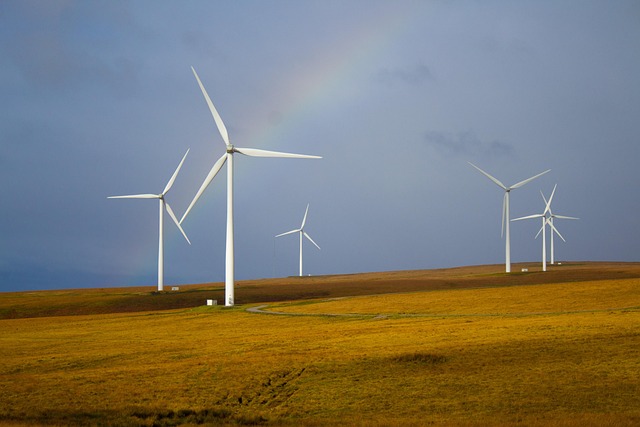

A Man Adjusts a Wind Electric Generator on the Calf
On Calf Island, a man adjusting a wind electric generator symbolizes more than maintenance—it represents the island’s evolving path toward energy autonomy. The integration of small-scale wind systems, including house wind turbines, is reshaping how remote communities meet power demands. With limited fossil fuel access and high transport costs, the island’s shift to renewables is both economic and strategic. Wind power, when properly configured for local conditions, can deliver stable electricity while reducing environmental strain. This article explores the technical, environmental, and economic facets of wind generation in isolated island systems.
The Role of Wind Electric Generators in Isolated Island Energy Systems
Calf Island’s location and climate make it a compelling case study for distributed renewable energy. Its winds are steady but variable in direction, demanding careful system design to achieve reliability.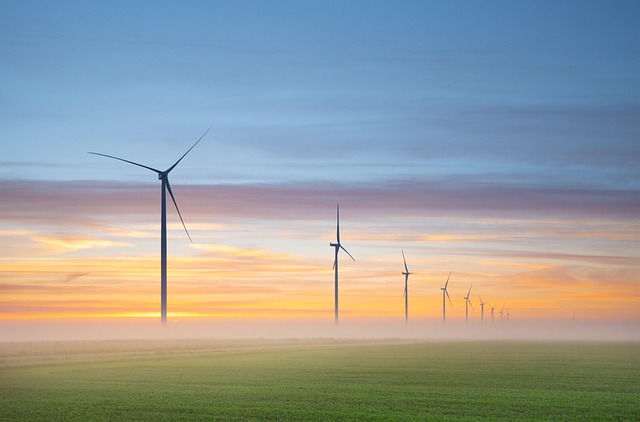
Understanding the Energy Landscape of Calf Island
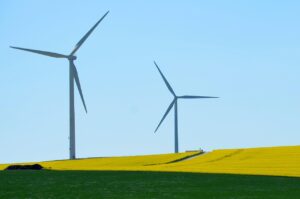
Calf Island lies off the coast with exposure to Atlantic weather fronts that bring high average wind speeds year-round. The terrain is mostly low-lying grassland with few obstructions, ideal for small turbine installations. Existing energy infrastructure depends heavily on diesel generators transported by boat—an expensive and carbon-intensive method. For such isolated islands, integrating renewables like wind is not optional but essential for long-term resilience and energy independence.
The Functionality of a Wind Electric Generator in Remote Settings
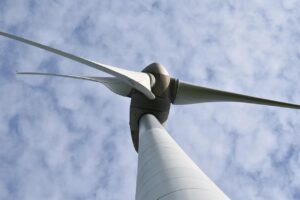
A typical wind electric generator comprises rotor blades capturing kinetic energy, a gearbox adjusting rotational speed, and a generator converting motion into electricity. Control systems regulate output to match grid or battery requirements. In remote settings like Calf Island, these systems must handle fluctuating loads and variable winds without constant supervision. Hybrid configurations combining house wind turbines with storage or backup diesel units enhance reliability while maintaining efficiency.
Enhancing Energy Efficiency Through Wind Power Integration
Improving efficiency in island microgrids requires precise engineering decisions—from turbine placement to electrical load management—to extract maximum value from every gust of wind.
Optimization of Turbine Placement and Orientation
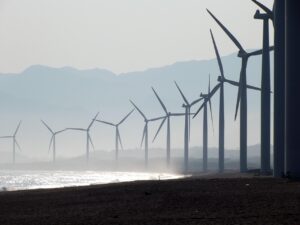
Turbine siting on Calf Island depends on localized wind mapping rather than broad regional data. Computational fluid dynamics (CFD) modeling helps predict airflow over uneven terrain and guide micro-siting decisions. Proper orientation minimizes turbulence between turbines and reduces wake effects that can lower performance by up to 15%. Even small shifts in positioning can yield significant gains in annual energy output.
Electrical Efficiency and Load Management Strategies
Mechanical-to-electrical conversion efficiency typically ranges between 35% and 45%, depending on generator type and control algorithms. For islands with intermittent demand profiles, integrating battery storage smooths supply fluctuations. Smart grid controls further balance production by adjusting non-critical loads during low-wind periods. This combination creates a more predictable supply curve suitable for remote communities.
Technical Adjustments for Improved Performance on the Calf Island
Fine-tuning mechanical parameters is crucial when adapting standard turbine designs to maritime environments where salt air, gusty winds, and corrosion present unique challenges.
Fine-Tuning Generator Parameters for Local Conditions
Blade pitch control allows turbines to adapt dynamically to shifting wind velocities common around Calf Island’s coastline. Advanced torque control algorithms maintain optimal rotational speed while protecting against overload during strong gusts. Real-time monitoring systems using IoT sensors enable predictive maintenance by tracking vibration patterns or temperature changes before faults occur.
Mitigating Environmental and Structural Challenges
Salt-laden air accelerates corrosion on metallic components; therefore, marine-grade coatings and composite materials are often used in coastal installations. Foundations require reinforcement against soil erosion caused by storm surges or high tides. Regular inspection schedules help preserve structural integrity over decades of operation—a necessity given the logistical difficulty of offshore repairs.
Integration with Other Renewable Sources on the Island
For consistent power delivery, hybridization between different renewable sources offers a practical solution that leverages natural variability across day-night cycles.
Hybrid Systems Combining Wind, Solar, and Storage Solutions
Wind generation tends to peak at night or during storms when solar production falls short. Combining both resources within hybrid microgrids provides complementary generation patterns that stabilize total output. Battery storage acts as a buffer during calm periods or sudden demand spikes. Such multi-source setups improve reliability without oversizing any single component.
Grid Stability and Power Quality Considerations
Maintaining voltage stability requires inverter-based controls capable of reactive power support under variable loads. Frequency stabilization relies on adaptive droop control methods that respond quickly to generation swings typical in small grids. Predictive algorithms trained on historical weather data anticipate fluctuations before they affect grid quality—an emerging best practice across modern island networks.
Economic and Sustainability Implications of Wind Power Deployment on Calf Island
The economics of renewable adoption extend beyond immediate cost savings; they influence long-term sustainability metrics vital for isolated regions dependent on imported fuels.
Cost-Benefit Analysis of Installing House Wind Turbines
Initial capital outlay remains higher than conventional diesel units but operational costs drop sharply after installation due to minimal fuel requirements. Over ten years, locally generated electricity can reduce fuel transport expenses by up to 40%. Each house wind turbine contributes incremental capacity that collectively strengthens community resilience against supply disruptions.
Environmental Impact and Sustainability Metrics
Replacing diesel generation with wind reduces greenhouse gas emissions significantly while cutting noise pollution near residential zones. During installation phases, biodiversity assessments help minimize disruption to bird habitats or coastal vegetation. Lifecycle evaluations show that most turbine materials—including aluminum towers and composite blades—are recyclable at end-of-life stages, aligning with circular economy principles promoted by international sustainability frameworks such as IRENA guidelines.
Future Prospects for Advanced Wind Technology in Island Environments
Innovation continues to redefine what’s possible for small-scale turbines operating far from centralized grids.
Emerging Innovations in Small Wind Turbine Design
New lightweight composites increase blade durability while reducing fatigue under cyclic loading conditions typical in gusty marine climates. Direct-drive generators eliminate gearboxes entirely, reducing mechanical losses and extending service intervals—a major advantage where maintenance access is limited. Artificial intelligence now aids predictive tuning by learning from sensor data to adjust control parameters automatically based on evolving weather trends.
Long-Term Vision for Energy Independence on Calf Island
As technology matures, Calf Island could evolve into an autonomous microgrid relying entirely on renewable sources managed through decentralized digital controls. Policy frameworks supporting community ownership models would further embed sustainability into local governance structures. Research priorities now focus on resilience against extreme weather events, scalability across similar islands, and sustainable material cycles throughout system lifetimes.
FAQ
Q1: What makes Calf Island suitable for house wind turbines?
A: Consistent coastal winds combined with open terrain create favorable conditions for small-scale turbine operation without major obstructions or turbulence zones.
Q2: How do hybrid systems improve reliability?
A: By combining solar panels with wind generators and battery storage, hybrid systems balance variable generation patterns across day-night cycles for steady power delivery.
Q3: What are common maintenance challenges in marine environments?
A: Salt corrosion, humidity-induced electrical faults, and blade erosion from airborne particles are typical issues requiring specialized coatings and regular inspections.
Q4: Are direct-drive turbines better suited for islands?
A: Yes, because they remove gearbox components prone to wear, lowering maintenance frequency—a key advantage where access logistics are complex.
Q5: How does local ownership affect sustainability outcomes?
A: Community-managed systems often reinvest profits into infrastructure upgrades or education programs, reinforcing both economic stability and environmental stewardship over time.