
How Technology Is Helping Fight Climate Change and Build a Sustainable Future
Technology has become the most decisive factor in reshaping global strategies for climate resilience. From renewable energy breakthroughs to data-driven environmental monitoring, innovation is now steering the world toward a low-carbon economy. The convergence of artificial intelligence, advanced materials, and digital systems is transforming how societies generate, store, and manage clean energy. This shift not only supports emission reduction but also redefines economic growth through sustainable design and circular principles.
The Convergence of Renewable Energy and Climate Change Innovations
The relationship between renewable energy and climate change mitigation is deeply intertwined. As nations pursue net-zero goals, the deployment of renewables becomes both a technological and strategic imperative.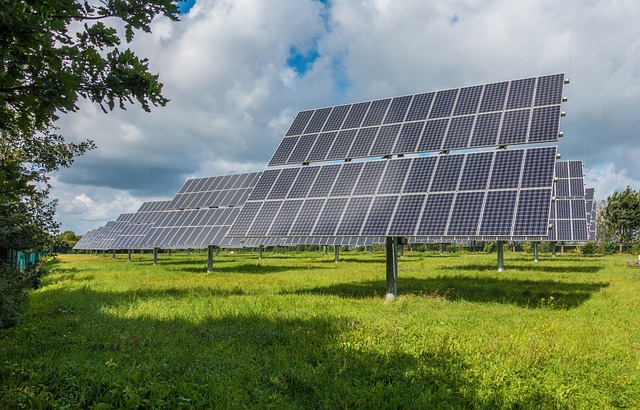
Understanding the Interdependence Between Renewable Energy and Climate Goals
Renewable sources such as solar, wind, and hydro are central to decarbonization strategies. Global climate targets rely heavily on scaling these technologies to replace fossil fuels. Large-scale integration enhances long-term energy security while reducing greenhouse gas emissions. Reports from the International Energy Agency (IEA) indicate that renewables accounted for nearly 30% of global electricity generation in 2023, signaling a structural shift in energy systems.
Technological Advancements Driving Renewable Energy Efficiency
Recent improvements in photovoltaic materials have raised solar panel efficiency beyond 25%, while modern wind turbines now exceed 14 MW per unit. These advancements reduce costs per kilowatt-hour and expand feasible installation zones. Energy storage innovations—particularly lithium iron phosphate batteries—stabilize grids by balancing intermittent supply with demand peaks. Smart grid infrastructure further enables real-time distribution management across decentralized networks.
Emerging Technologies Transforming the Renewable Energy Landscape
A new generation of intelligent technologies is redefining how renewable energy systems operate. Artificial intelligence (AI), machine learning (ML), and nanotechnology are no longer experimental—they are embedded tools driving optimization across production chains.
The Role of Artificial Intelligence and Machine Learning in Energy Optimization
AI analytics refine weather forecasting models for solar irradiance and wind speed predictions, improving generation planning accuracy by up to 20%. ML algorithms adjust dispatch schedules automatically to match consumption trends, minimizing curtailment losses. Predictive maintenance powered by sensor data reduces downtime in wind farms by detecting anomalies before mechanical failure occurs.
Advanced Materials and Nanotechnology in Clean Energy Systems
Nanomaterials enhance electron mobility within solar cells, improving both efficiency and durability against environmental stressors. Lightweight carbon composites allow turbine blades to extend longer without structural fatigue, increasing output per rotation. Material science also plays a role in lifecycle emission reduction through recyclable components that minimize waste at decommissioning.
Climate Change Innovations Beyond Energy Generation
While renewable generation remains vital, climate action extends into carbon management and atmospheric intervention research aimed at balancing planetary systems.
Carbon Capture, Utilization, and Storage (CCUS) Technologies
CCUS captures CO₂ directly from industrial exhaust streams before it enters the atmosphere. Emerging utilization processes convert captured carbon into synthetic fuels or construction materials such as carbonates. When integrated with renewable hydrogen production via electrolysis, these systems create circular carbon loops that align with net-zero frameworks outlined by the International Renewable Energy Agency (IRENA).
Geoengineering and Climate Intervention Approaches
Geoengineering explores large-scale interventions like solar radiation management using reflective aerosols to moderate temperature rise. Ocean fertilization experiments aim to stimulate phytoplankton growth for greater CO₂ absorption capacity. However, ethical debates persist regarding governance frameworks due to potential cross-border climatic side effects.
The Role of Digital Transformation in Accelerating Sustainability Goals
Digitalization acts as the connective tissue linking clean technology deployment with transparent data ecosystems that track sustainability outcomes.
Blockchain Applications in Renewable Energy Markets
Blockchain platforms enable peer-to-peer electricity trading among producers and consumers without centralized intermediaries. Smart contracts automate verification for renewable energy certificates (RECs), ensuring authenticity across markets. Decentralized ledgers also strengthen trust within voluntary carbon credit exchanges by recording immutable transaction histories.
The Internet of Things (IoT) for Environmental Monitoring and Efficiency
IoT sensors continuously collect field data on emissions levels, ambient temperature, and power usage intensity across facilities. This real-time feedback supports adaptive control strategies during peak loads or extreme weather events. When integrated into municipal infrastructure, IoT networks enhance predictive modeling for resource allocation in urban sustainability programs.
Global Policy Frameworks Supporting Renewable Innovation and Climate Action
Policy alignment remains essential for scaling technological adoption globally. Both international cooperation and domestic incentives shape innovation ecosystems that sustain progress against climate change.
International Collaboration on Clean Technology Deployment
Multilateral agreements such as those under the United Nations Framework Convention on Climate Change (UNFCCC) promote funding mechanisms for renewable infrastructure in emerging economies. Cross-border knowledge transfer accelerates diffusion of advanced technologies like offshore wind or green hydrogen systems. Collaborative research programs coordinated by organizations like IEA foster standardization across international markets.
National Policies Encouraging Innovation Ecosystems
Governments increasingly use fiscal tools—tax credits, feed-in tariffs, or green bonds—to attract investment into renewable startups and R&D clusters. Regulatory frameworks now emphasize interoperability between traditional utilities and distributed clean power assets. Public-private partnerships bridge early-stage financing gaps while sharing technical risk across sectors.
Measuring the Impact: Metrics for Evaluating Sustainability Progress
Quantifying performance is critical to validate progress toward decarbonization goals and justify continued investment in renewable energy innovation.
Key Indicators of Renewable Energy Adoption
Installed capacity growth serves as a tangible measure of national commitment to clean transition pathways. Levelized cost of energy (LCOE) metrics help investors compare project viability across technologies like solar PV versus offshore wind. Grid integration indicators evaluate how effectively variable renewables interact with existing transmission networks under fluctuating conditions.
Assessing Climate Innovation Outcomes
Emission intensity reduction per unit GDP reflects technological maturity over time within industrial sectors. Lifecycle assessment methodologies quantify cumulative environmental gains from production through disposal stages of clean technologies. Socioeconomic indicators—such as employment growth in green industries—highlight equitable distribution benefits arising from sustainability transitions.
Future Pathways Toward a Redefined Sustainable Global Economy
A sustainable future will depend on merging circular economy logic with resilient technology ecosystems capable of adapting under climatic uncertainty.
Integrating Circular Economy Principles with Renewable Systems
Circular design approaches extend component lifespans through refurbishment or remanufacturing rather than disposal. Resource recovery processes reclaim rare earth elements from decommissioned turbines or batteries for reuse in new installations. Closed-loop supply chains reduce dependency on finite materials while maintaining economic competitiveness within global markets.
Building Resilience Through Technological Synergies
Hybrid configurations combining renewables with battery storage or hydrogen backup improve operational flexibility during grid stress events. Cross-sector collaboration links agriculture’s bioenergy potential with industrial heat recovery systems to form integrated sustainability clusters. Long-term resilience planning incorporates both mitigation efforts—like emission cuts—and adaptation measures addressing climate-induced disruptions.
FAQ
Q1: How does renewable energy contribute to fighting climate change?
A: It replaces fossil fuels with low-emission alternatives that significantly cut greenhouse gases driving global warming.
Q2: What role does AI play in managing renewable power?
A: AI improves forecasting accuracy for variable sources like wind or solar while automating grid balancing decisions based on demand patterns.
Q3: Why is carbon capture important alongside renewables?
A: Because some industrial processes still emit unavoidable CO₂; CCUS helps neutralize those emissions within net-zero strategies.
Q4: How can blockchain support sustainable development?
A: It offers transparent tracking of green transactions such as carbon credits or renewable certificates without centralized oversight issues.
Q5: What makes circular economy integration vital for future sustainability?
A: It minimizes waste generation by designing products for reuse or recycling, preserving resources essential for expanding clean technology deployment.