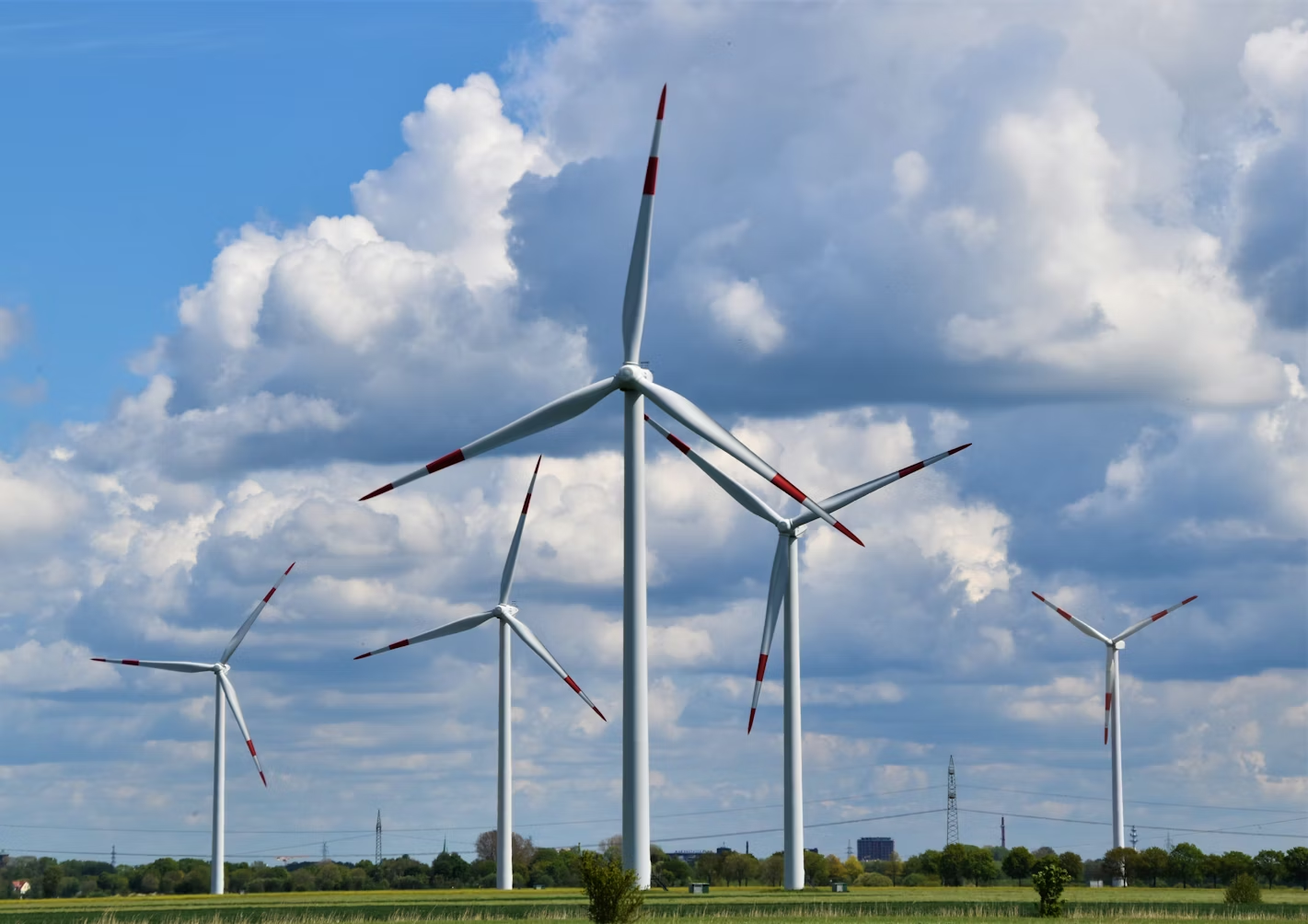

China’s flying wind turbine technology stands out from traditional onshore and offshore systems. By catching stronger and steadier winds at high altitudes, these airborne platforms can give higher energy yields with fewer land limits. The conclusion is clear: if current prototypes grow well, airborne wind energy can beat ground-based turbines in both efficiency and deployment flexibility.
China has shown great interest in this field. It fits perfectly with the country’s wide plan for clean energy. The government offers many incentives under the 14th Five-Year Plan. This plan helps new renewable projects. Leading schools like Tsinghua University and companies in Shenzhen are now testing flying turbines. They focus on offshore use. These steps help China reach its goals. It wants to stop carbon growth before 2030. It also aims to hit carbon zero by 2060. Much like solar storage systems, the choice of solar inverters and storage suppliers plays a big role. It decides how well a system works for homes and businesses. The same idea works here too. Good system links decide how well airborne wind fits with the grid.
The Emergence of China’s Flying Wind Turbine Technology
The Concept Behind Airborne Wind Energy Systems
Airborne wind energy systems use tethered turbines, kites, or drones. They pull power from high-altitude winds. These systems do not use fixed towers. They fly hundreds of meters above the ground. The winds at this height feel faster and more steady. Tethered turbines make electricity on board. They send it down through conductive cables. Kite-based systems turn motion into power. They do this at the ground station. Drone-based platforms give more freedom. But they meet long flight time issues. Battery weight causes these issues. Keeping flight steady under changing air conditions stays hard. It ranks as one of the toughest engineering problems. This holds true when teams balance lift, drag, and torque. They need this balance for steady power output.
China’s Strategic Push into High-Altitude Wind Power
China has shown great interest in this field. It fits perfectly with the country’s wide plan for clean energy. The government offers many incentives under the 14th Five-Year Plan. This plan helps new renewable projects. Leading schools like Tsinghua University and companies in Shenzhen are now testing flying turbines. They focus on offshore use. These steps help China reach its goals. It wants to stop carbon growth before 2030. It also aims to hit carbon zero by 2060. Much like solar storage systems, the choice of solar inverters and storage suppliers plays a big role. It decides how well a system works for homes and businesses. The same idea works here too. Good system links decide how well airborne wind fits with the grid.
Aerodynamic and Energy Efficiency Advantages of Flying Turbines
Accessing Stronger and More Consistent High-Altitude Winds
Wind speed rises with altitude. This rise comes from less surface friction. At 500–1000 meters above ground, velocities can rise 30–50% above those used by normal turbines. This change gives big power gains. Power output grows with the cube of wind speed. So airborne turbines can reach capacity factors over 60%. They can match some hydroelectric plants. For example, weather studies in Inner Mongolia show stable jet streams. These streams can keep machines running even when ground winds stay low.
Aerodynamic Design Innovations in Airborne Turbines
Modern flying turbines use composite materials. They use carbon fiber reinforced polymers. This choice keeps weight low. It does not sacrifice strength. Blade shape is already set for many wind directions. Upper-air winds change direction more often. Near-surface currents stay more fixed. Advanced control tools adjust pitch and yaw. They do this dynamic use of onboard sensors. This action helps keep the right angle to the wind vector. These designs look like trends in solar systems. In those systems, AI energy management moves from extra cost to normal use. In airborne wind energy, the gle same way. Similar control rules allow free adaptation to turbulence or gusts.
Technical Barriers and Engineering Considerations
Transmitting electricity from an airborne generator poses significant challenges. Conductive tethers must balance electrical efficiency with mechanical strength. They must also keep weight-induced drag low. Copper or aluminum cores work well. They require insulation to handle lightning and moisture at altitude. Efficiency losses over several hundred meters can reach 5–10%. This loss depends on cable design. Researchers explore wireless microwave transmission. It comes as a future choice. But current conversion losses limit practicality.
Structural Integrity and Flight Control Challenges
Tethers endure substantial tension variations during gusty conditions. Fatigue resistance is critical since failure could result in catastrophic descent events. Autonomous flight control systems use redundant sensors like gyroscopes, accelerometers, and GPS. They stabilize trajectories in real time. Fail-safe mechanisms such as controlled gliding descent or parachute deployment mitigate crash risks near populated zones or maritime routes.
Environmental and Operational Implications
Ecological Impact of Airborne Wind Systems
Compared with traditional towers, airborne systems reduce land footprint. But they introduce new ecological concerns. Avian collisions remain possible. Yet these collisions stay less frequent at higher altitudes. Bird density drops sharply at this height. Noise levels are typically lower. Because acoustic emissions reach ground observers only nach in spread out form. Lifecycle assessments show less steel use. Yet they show slightly higher composite waste. This waste fällt during decommissioning phases.
Operational Logistics and Maintenance Strategies
Ground stations serve as both anchor points and energy hubs. They manage tether spooling operations. Maintenance relies heavily on remote diagnostics. These diagnostics use AI-driven predictive analytics. They resemble those used in smart solar grids. Suppliers who have their own regional offices can give faster warranty work. They give direct access to engineering teams. They give better spare parts logistics. For airborne fleets over deserts or offshore areas, modular designs help. They simplify retrieval for inspection or replacement. They help without full system downtime.