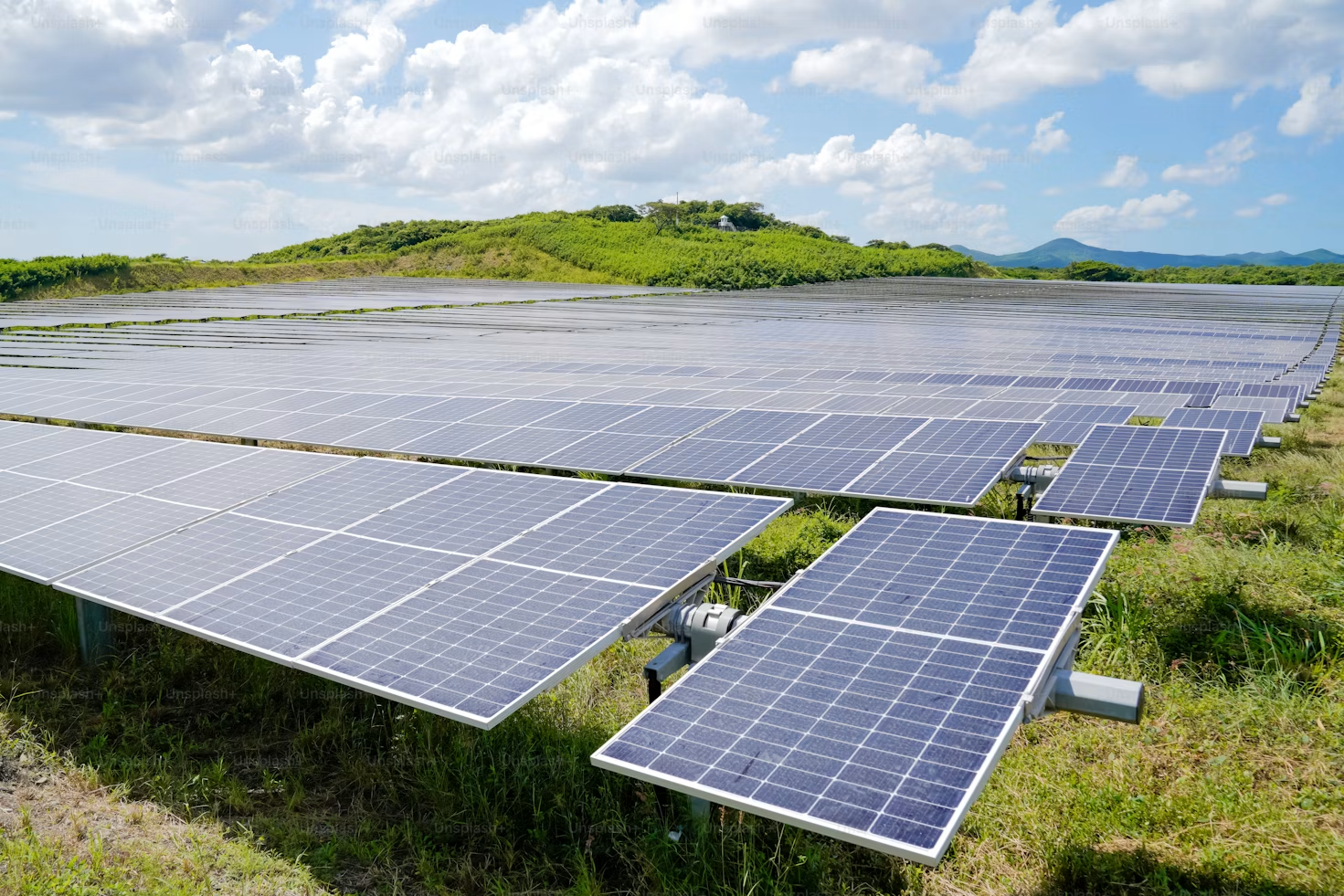

The Enbridge and Meta 365 MW solar and storage project marks a big change in large renewable work. It brings together company goals for clean energy with plans to improve the power grid. This puts both firms ahead in cutting carbon use. The mix of solar power and big battery storage shows a smart new way for companies to get clean and steady power. This team effort shows not only new tech but also a wider move to joined renewable systems. These systems balance money results with care for the earth.
The Strategic Significance of the Enbridge and Meta 365 MW Solar and Storage Project
Overview of the Partnership Between Enbridge and Meta
Enbridge and Meta work together to bring renewable power into daily company tasks. They also push forward green building plans. Their common goal fits world rules on good company behavior. These rules focus on real cuts in carbon and clear reports. The team work shows how old energy firms can shift to cleaner sets of assets. They do this by building things together that meet both factory needs and public climate aims.
This team work also shows a rising trend. Tech firms now put money straight into green power making. They do not only use carbon offsets. Meta helps make sure its data centers run on low carbon power. At the same time Enbridge gains from growing its green asset list.
Key Project Specifications and Capacity Goals
The work gives 365 MW of solar power. It comes with 200 MW of battery space. This makes it one of the biggest mixed setups in North America. The large size helps keep the grid steady. It smooths out changes in solar power by moving use to other times. The place chosen has strong sun light and easy links to the grid. This keeps the work both good in tech and sound in cost.
Full energy storage answers from one seller cut risk from bad fits. One seller gives inverters, batteries, and control systems as one whole. This makes buying easier than getting parts from many places. This idea shapes how the project puts solar panels and batteries under one control for better trust.
The Role of Solar Energy in Shaping Project Strategy
Putting solar power into company plans has grown past just a green claim. It now works as a money shield against swings in old fuel prices. For tech firms like Meta solar assets help lock in steady power costs for years. They also back up promises on green goals.
Integration of Solar Power into Corporate Energy Portfolios
Solar power sits at the heart of many company plans to cut carbon. It grows well in many places. More firms use long deals to fix the price of green power for many years. In this case the Enbridge and Meta project acts as both a power source and a good example. It shows how firms can buy green power straight and match their use with when the sun shines.
Matching daily power needs with changing solar output calls for good forecast tools. Smart planning systems help set charge and use times during the day. These tools come from top makers of power gear.
Strategic Advantages of Solar Deployment for Large Corporations
Solar use cuts carbon in whole supply lines. It swaps old power for clean power. It also gives steady costs through fixed deals that stay safe from fuel price moves. Plus clear spend on solar power lifts how the brand looks to buyers and money people who care about green scores.
Firms get more value from tax breaks and fast write offs. These help the money side of the work while they push country goals on clean power.
Energy Storage as a Catalyst for System Reliability and Flexibility
Battery storage turns uneven green power into power that can be sent when needed. It helps the grid stay strong when demand rises or when the sun is weak. In mixed projects like this one batteries fill the time gap between making power and using it. They keep power flowing without old fuel back up.
The Function of Battery Storage in the Hybrid System Design
Battery units let power move from busy midday sun time to evening use. They cut peak loads on wires and hold frequency steady when power sources change fast. On cloudy days or busy times stored power keeps things running. This matters a lot for data centers that must stay up all the time.
By 2026 iron based battery types lead in home use. Most top sellers now pick them. This big project uses the same type because it stays cool, lasts long, and stays safe. These points count for big fixed power spots too.
Technological Considerations for Storage Integration
Picking the right battery type means weighing cost per power unit against how long it works. Iron based batteries give strong safety for hot places common in North American sites. Linking them to grid software needs solid talk rules between battery controls and main watch systems. This keeps charge times on track.
Upkeep plans use early checks with sensor facts to spot wear before breaks happen. This step now shows up often with top gear sellers.
Financial and Operational Frameworks Driving the Project’s Success
Every big green power plan rests on a mix of money setups. These spread risk and draw steady cash from big backers who want sure gains.
Investment Models Supporting Renewable Infrastructure Expansion
Share deals between builders like Enbridge and big power buyers like Meta let both sides own parts of the work. This lines up money aims with green targets. Tax breaks from clean power laws help by cutting early costs through credits or fast write offs.
Long power deals lock in income for 15 to 25 years. Selling on the open market can add gains at high price times. Risk splits so builders handle build work while buyers lock in steady prices.
Operational Efficiency Through Digitalization and Data Analytics
Smart tools boost how well assets run over their whole life. Early fix platforms study gear data to catch odd signs soon. Live tune up rules change send times based on weather looks or price signs.
Smart power control now moves from an add on to a must have. Smart fact study now drives mixed plant runs by guessing power patterns and shifting battery use for steady output.
Policy, Regulatory, and Market Factors Influencing Project Development
Helpful rules stay key to grow mixed projects across the country. Simple permit steps cut wait times. Clear link rules stop costly holds at start up.
Regulatory Environment Supporting Utility-scale Solar Projects
Local green power rules push power firms to take set shares of power from green sources. This makes projects easier to fund. Breaks that favor mixed setups push builders to pair solar with storage for better grid worth. They do this instead of just adding more power spots.
Rules on safe net use grow tighter as linked assets share live facts on cloud tools. This trend shows up with sellers who hold top safety stamps.
Market Dynamics Shaping Renewable Power Procurement Strategies
Company want for clean power deals keeps rising in North America. Firms look for real ways to hit zero carbon aims. Strong spots near power lines and good build records help win in this race.
Carbon cost rules push money toward green power by making old fuel costs show their full price to the air.
Broader Implications for the Renewable Energy Sector
Big mixed projects like this one help move the whole country toward less carbon. They show how private firms and power firms can team up at large scale.
Contribution to Grid Decarbonization Goals
By pushing out old power at busy times this site cuts total carbon in the system. It also lifts the share of green power in area grids. The model can be copied and may guide more team ups between big power users and grid firms. These team ups seek shared owns that fit climate rules.
Lessons from the Enbridge-Meta Collaboration Model
Cross field team ups stay key to speed clean power use at big scale. Lining up money gains with green results builds strong cases that hold up when rules change or prices swing. The team up shows how smart tools like fact study or joined control can turn green promises into real work gains. They do this without losing money returns.
FAQ
Q1: What makes the Enbridge–Meta project unique among U.S. renewables?
A: The mix of 365 MW solar power with 200 MW storage sets up one of the largest mixed systems. It focuses on company power buys rather than just power firm rules.
Q2: Why include battery storage alongside solar panels?
A: Storage keeps power steady by moving day time output to night use when needs rise but sun light drops.
Q3: How does this partnership align with ESG goals?
A: Both firms push clear cuts in carbon. They show open control through direct spend on zero carbon builds.
Q4: What technologies underpin system reliability?
A: Strong battery controls using iron based types give safe long life runs. They gain support from smart early watch tools used by top gear firms.
Q5: Could similar models expand internationally?
A: Yes. With good rules and ready money plans like team ups can spread to new markets that want fast cuts in grid carbon.