
How to See the Netherlands’ Famous Tulips in Full Bloom, From Peak Season Timing to Where to Go
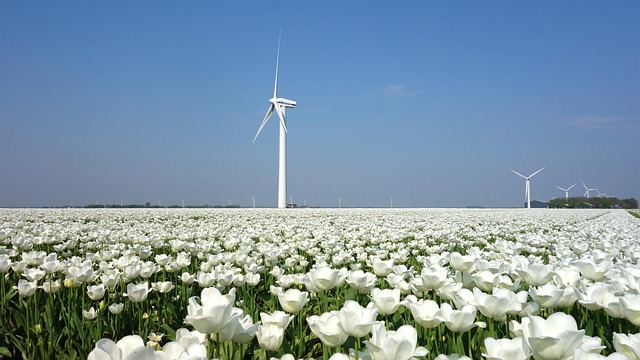
Every spring, the Netherlands transforms into a living canvas of color. The tulip season, typically from late March to mid-May, reaches its peak in mid-April when fields around Lisse and Noordoostpolder burst into bloom. For professionals studying sustainable tourism, this period also reveals how renewable energy technologies—like the tulip wind turbine—are reshaping Dutch cultural landscapes. Visiting these regions offers not only a visual spectacle but also a look at how heritage and innovation coexist.
The Intersection of Renewable Energy and Dutch Tulip Tourism
Tulip tourism remains one of the Netherlands’ most iconic attractions. Yet as environmental priorities evolve, integrating renewable energy into these landscapes has become both a necessity and an opportunity.
Understanding the Cultural and Economic Importance of Tulip Fields
Tulips are deeply tied to Dutch identity. Each year, millions travel to see fields stretching across the provinces of South Holland and Flevoland. This seasonal influx sustains local economies through hotels, transport services, and regional branding campaigns centered on floral imagery. The tulip industry also contributes significantly to agricultural exports, reinforcing the Netherlands’ global reputation for horticultural excellence.
The Emergence of Sustainable Tourism Practices in the Netherlands
Tourism operators now face growing pressure to reduce their environmental impact. Many have begun adopting solar panels, biofuel-powered shuttles, and waste reduction systems that align with national climate goals under the Dutch Climate Agreement. Integrating renewable technologies like tulip wind turbines fits within this broader framework of sustainable travel design.
Exploring Tulip Wind Turbine Technology
The tulip wind turbine exemplifies how design can merge cultural symbolism with engineering efficiency. Its introduction marks a shift toward visually appealing renewable infrastructure that complements rather than competes with natural beauty.
The Concept and Design Principles Behind Tulip Wind Turbines
These turbines mimic the form of a blooming tulip, creating an aesthetic resonance with surrounding flower fields. Their vertical-axis configuration captures wind from multiple directions efficiently while maintaining low noise output. Compact dimensions allow installation near tourist zones without disturbing visitors or wildlife.
Technical Advantages Over Conventional Wind Turbines
Compared with large horizontal-axis models, tulip wind turbines perform well in variable or low-wind environments such as rural towns or garden parks. They require less maintenance due to fewer moving parts and impose minimal visual intrusion on heritage landscapes—a major advantage where preservation laws restrict industrial structures.
Integrating Tulip Wind Turbines into the Tulip Viewing Experience
The synergy between renewable technology and tourism design is particularly visible when tulip-shaped turbines become part of the visitor journey through flower regions.
Enhancing Landscape Aesthetics Through Biomimicry Design
By echoing natural forms, these turbines blend seamlessly into floral scenery rather than standing out as mechanical intrusions. Their sculptural silhouettes can even serve as new landmarks within bulb-growing areas, reinforcing a narrative of Dutch creativity rooted in both art and engineering.
Potential for Educational and Experiential Value in Tourism Sites
Beyond aesthetics, these installations create educational opportunities. Visitors can explore how clean energy powers nearby facilities or irrigation systems through interactive exhibits at garden centers or museums. Such experiences connect environmental awareness with cultural appreciation—an approach consistent with global Sustainable Development Goals promoting responsible consumption and production.
Environmental and Economic Implications for the Tulip Regions
The integration of localized renewables has tangible benefits for both emissions reduction and economic resilience across rural communities engaged in flower cultivation.
Reducing Carbon Footprints in Tourism Infrastructure
Renewable generation from tulip wind turbines can offset emissions from tour buses, lighting systems, or visitor centers operating during peak season. This supports national objectives to cut greenhouse gases by 49% by 2030 under EU commitments while improving regional energy independence amid fluctuating fossil fuel prices.
Supporting Rural Economies Through Green Innovation Investments
Farmers hosting small-scale turbines gain additional revenue streams without sacrificing arable land. Municipalities branding themselves as “green destinations” attract eco-conscious travelers seeking authentic experiences that align with sustainability values. Public-private partnerships can further drive deployment across key horticultural corridors like Bollenstreek or Noordoostpolder.
Challenges and Considerations in Implementation
While promising, widespread adoption requires careful alignment between heritage preservation frameworks and modern infrastructure standards.
Balancing Heritage Preservation with Technological Modernization
Tulip landscapes are often protected under cultural heritage regulations that limit structural modifications. Any turbine installation must respect these visual parameters through community dialogue and landscape-sensitive planning. Acceptance among residents depends on demonstrating that innovation enhances rather than diminishes traditional charm.
Technical, Financial, and Policy Barriers to Adoption
Initial investment costs remain higher than conventional small-wind systems due to specialized materials and design complexity. Grid connectivity poses logistical hurdles in rural tourist zones lacking robust infrastructure. Policymakers must craft incentive schemes linking renewable deployment directly with tourism development strategies to overcome these barriers effectively.
Future Outlook: A Symbiosis Between Energy Innovation and Cultural Tourism
As pilot projects expand, tulip wind turbines could redefine how visitors experience Dutch flower culture while contributing to national sustainability targets.
Prospects for Scaling Up Sustainable Technologies in Iconic Landscapes
Regions like Lisse or Noordoostpolder offer ideal testing grounds given their strong tourist appeal and open terrain. Collaboration among municipalities, technology firms, and tourism boards will be crucial for monitoring ecological outcomes such as bird migration impacts or soil conditions near installations over time.
Reimagining the Dutch Tulip Experience Through Sustainability
Integrating renewable energy reinforces the Netherlands’ reputation as a pioneer in both design thinking and environmental stewardship. Visitors witness not just natural beauty but also tangible progress toward carbon neutrality—a living example of how culture evolves through innovation without losing authenticity.
FAQ
Q1: When is the best time to see tulips in full bloom?
A: Mid-April typically offers peak bloom across major regions like Keukenhof Gardens and Bollenstreek fields.
Q2: What is a tulip wind turbine?
A: It’s a vertical-axis turbine shaped like a tulip that produces clean electricity while blending aesthetically into flower landscapes.
Q3: Are tulip wind turbines noisy?
A: No, their design minimizes mechanical noise compared with conventional horizontal-axis models.
Q4: Can farmers install these turbines on their land?
A: Yes, small-scale versions allow farmers to generate extra income while maintaining agricultural use of their property.
Q5: How do these projects support sustainable tourism?
A: They reduce carbon emissions from tourism operations and educate visitors about renewable energy integrated into cultural heritage sites.