
How to Keep the Lights On in Your Home During a Blackout
Blackouts test how well a home’s energy system is designed. The short answer is that solar power alone cannot keep the lights on unless paired with storage and proper inverter configuration. A solar web Fronius setup with hybrid inverters and battery integration provides a resilient solution that can sustain essential loads when the grid fails. When designed correctly, such systems not only maintain comfort during outages but also deliver long-term energy independence.
Understanding Solar Web Fronius Systems in the Context of Power Outages
Fronius solar technology forms an integrated ecosystem where hardware and digital tools work together to manage energy flow efficiently. The system’s behavior during outages depends on how its components are configured and whether energy storage is included.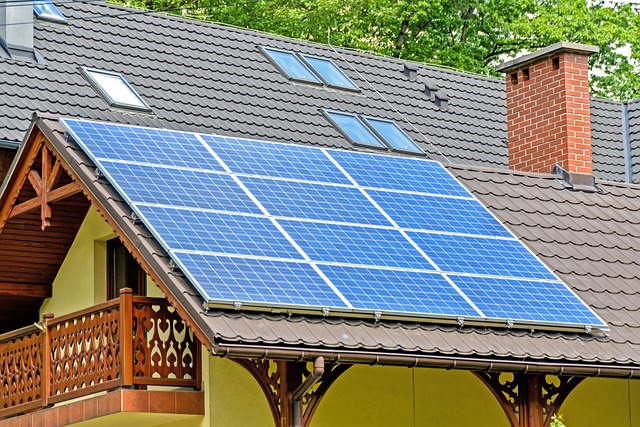
Overview of Fronius Solar Technology
Fronius systems combine photovoltaic modules, inverters, and monitoring platforms into one cohesive network. The Solar.web interface allows real-time tracking of generation and consumption, helping users analyze performance trends across hours or days. Efficiency relies heavily on inverter type—string, hybrid, or micro—and the inclusion of compatible batteries such as BYD or LG Chem units. In professional setups, installers calibrate the inverter to balance grid interaction with local load requirements.
How Grid-Tied Solar Systems Behave During Blackouts
A typical grid-tied system disconnects automatically during an outage for safety compliance under IEEE 1547 and IEC 62116 standards. This anti-islanding mechanism prevents current from feeding back into utility lines while technicians restore service. Without a connected battery or backup circuit, panels alone cannot supply usable AC power because their output depends on synchronized grid voltage. Many homeowners are surprised by this limitation until they experience their first blackout.
The Role of Energy Storage in Maintaining Power Supply
Energy storage transforms a passive solar array into an active backup source. It bridges the gap between daytime production and nighttime or emergency use.
Integration of Battery Storage with Fronius Systems
Battery integration enables partial or full independence from the grid during failures. Fronius hybrid inverters communicate seamlessly with lithium-based storage units from major manufacturers like BYD Battery-Box Premium or LG Chem RESU series. Correct inverter configuration determines whether stored power can flow to household circuits when the grid signal disappears. In advanced designs, charge controllers prioritize critical loads first before recharging reserves once sunlight returns.
Backup Power Configurations and Inverter Modes
Hybrid inverters operate flexibly between grid-tied and off-grid modes. Fronius’s “PV Point” feature supplies limited backup energy directly to essential outlets such as lighting or communication devices without requiring a full battery bank. For complete home coverage, installers add transfer switches and isolation relays that separate protected circuits from the main panel during outages. These components must meet local electrical codes to avoid safety violations.
Evaluating the Performance of Solar Web Monitoring During Outages
Monitoring plays a crucial role in understanding how systems behave when disconnected from the grid. Even if data transmission pauses, valuable information remains stored within the inverter memory.
Functionality of Solar.web When the Internet or Grid Fails
Solar.web depends on internet connectivity for live updates; however, data continues recording locally inside the inverter until reconnection occurs. Real-time analytics may temporarily stop but historical performance graphs remain intact once communication resumes. When linked with smart home management tools through open APIs, automated routines can prioritize which appliances restart first after power restoration—an often-overlooked convenience feature for modern homes.
Data Insights for Optimizing Energy Independence
Solar.web offers detailed statistics comparing production versus consumption patterns over time. These insights help identify ideal charging windows for batteries or opportunities to shift high-demand appliances to daylight hours. Long-term monitoring supports predictive maintenance by flagging irregularities such as voltage fluctuations or declining panel efficiency before they cause downtime.
Technical Considerations for Continuous Home Power Supply
Building blackout resilience requires careful engineering beyond simple component selection. Each parameter—from array size to wiring layout—affects how long backup power can last.
System Design Parameters Affecting Blackout Readiness
Proper sizing ensures enough stored capacity to sustain critical circuits like refrigeration, medical devices, or networking equipment through extended outages. Load segmentation divides circuits into priority tiers so that nonessential devices remain offline until normal operation resumes. Compliance with regional standards such as IEC 60364 guarantees both safety and compatibility with utility infrastructure.
Maintenance and Firmware Management for Reliable Operation
Regular firmware updates improve inverter response under fluctuating voltage conditions common during partial restorations or generator transitions. Periodic testing—simulating blackout events—verifies that automatic switchover mechanisms function correctly in real scenarios. Preventive maintenance routines reduce wear on contactors and extend overall equipment lifespan while minimizing unexpected shutdowns.
Comparing Fronius Solutions to Alternative Backup Options
Different households approach blackout preparedness differently depending on budget, location, and reliability expectations.
Differences Between Fronius Hybrid Systems and Conventional Generators
Solar-based backups deliver silent operation and zero emissions compared with fuel-driven generators that require refueling schedules and produce noise around 70–80 dB(A). Although generators start instantly, their maintenance cycles increase total cost of ownership over time. Combining both technologies—a hybrid solar-generator setup—can provide extended autonomy for remote properties where sunlight alone may not suffice year-round.
Emerging Technologies Complementing Fronius Systems
Vehicle-to-home (V2H) integration expands available capacity by tapping electric car batteries as temporary home supplies through bidirectional chargers compliant with ISO 15118 standards. Advanced software platforms now coordinate these distributed assets automatically during outages, aligning household demand with available stored energy across all sources. Future firmware releases are expected to introduce adaptive islanding functions enabling seamless transition between connected and standalone operation modes without manual intervention.
FAQ
Q1: Can a standard solar web Fronius system run my house during a blackout?
A: Not without battery storage or backup mode enabled; standard grid-tied systems shut down automatically for safety during outages.
Q2: What is the PV Point feature used for?
A: It provides limited emergency power directly from PV panels or batteries to essential outlets even when the main grid is offline.
Q3: How does Solar.web record data when there’s no internet?
A: The inverter stores all measurements locally and uploads them once connectivity returns so no data is lost.
Q4: Are Fronius hybrid inverters compatible with all battery brands?
A: They support several certified models like BYD Battery-Box Premium and LG Chem RESU but require proper firmware matching for stable operation.
Q5: How often should backup functionality be tested?
A: At least twice per year under controlled conditions to confirm automatic switching works correctly before an actual outage occurs.